

Choosing between dropshipping and Amazon FBA is one of the first big decisions many ecommerce beginners face. Both models let you sell products online, both can be profitable, and both remove parts of the traditional retail process. However, they work in very different ways.
Dropshipping is usually a lower-cost and more flexible model because you do not buy inventory upfront. You list products in your store, and once a customer places an order, your supplier ships the product directly to them. Amazon FBA, on the other hand, requires you to buy inventory first and send it to Amazon’s fulfillment centers. Amazon then stores, packs, ships, and handles much of the fulfillment process for you.
Neither model is automatically better for everyone. The right choice depends on your budget, risk tolerance, product strategy, brand goals, and how much control you want over your customer experience.
For beginners who want to start lean, test products, and avoid large upfront inventory costs, dropshipping with AliDrop can be a more practical starting point. For sellers who already have capital, validated products, and want fast fulfillment through Amazon’s network, FBA can be a strong option.
What is Dropshipping?
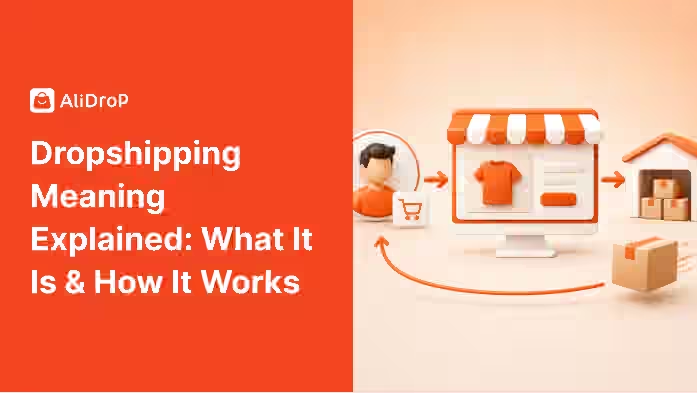
Dropshipping is an ecommerce model where you sell products without keeping inventory yourself. You create an online store, add products from suppliers, and when someone buys from your store, the supplier ships the product directly to the customer.
This makes dropshipping attractive for beginners because it removes the need to buy stock before making sales. You do not need a warehouse, bulk inventory, or packaging setup. Instead, your main job is to choose the right products, create strong product pages, market your store, and manage customer service.
With AliDrop, the dropshipping process becomes easier because you can import AliExpress products to your store, customize listings, and manage your product workflow with less manual effort. This is especially useful if you want to test different products before committing to a bigger ecommerce strategy.
How Dropshipping Works
The basic dropshipping process is simple:
- You choose a niche and products to sell.
- You import products to your store using AliDrop.
- You edit titles, descriptions, images, variants, and prices.
- A customer places an order on your store.
- The supplier fulfills and ships the product.
- You keep the difference between your selling price and supplier cost.
The main advantage is that you do not pay for inventory before customers buy. This lowers your upfront risk and gives you more flexibility to test products.
Who Dropshipping Is Best For
Dropshipping is usually best for:
- Beginners with a small budget.
- Sellers who want to test products quickly.
- Entrepreneurs who want to avoid inventory risk.
- Store owners who want more control over branding.
- People who prefer flexibility over warehouse operations.
- Sellers who want to launch without buying bulk stock.
It is also useful if you are still learning ecommerce and do not want to spend heavily before understanding what customers actually want.
What is Amazon FBA?
Amazon FBA, or Fulfillment by Amazon, is a selling model where you send inventory to Amazon’s fulfillment centers. When customers buy your product, Amazon stores, picks, packs, ships, and handles much of the delivery process.
This model gives sellers access to Amazon’s fulfillment network and customer trust. It can also make products eligible for fast shipping options, depending on product and marketplace conditions. However, it usually requires more money upfront because you must buy inventory before selling it.
Amazon FBA can be powerful, but it is not a no-risk model. If your product does not sell, you may be left with unsold inventory, storage fees, and tied-up capital.
How Amazon FBA Works
The Amazon FBA process usually looks like this:
- You research a product.
- You buy inventory from a supplier or manufacturer.
- You ship that inventory to Amazon.
- Amazon stores the products.
- A customer orders your product.
- Amazon packs and ships the order.
- Amazon handles certain customer service and return processes.
The main benefit is that Amazon takes care of fulfillment. The main challenge is that you need inventory, capital, and strong product research before you begin.
Who Amazon FBA Is Best For
Amazon FBA is usually better for:
- Sellers with startup capital.
- Businesses with validated products.
- Brands that want to sell through Amazon.
- Sellers who want faster fulfillment support.
- Entrepreneurs comfortable with inventory risk.
- Businesses ready to manage fees, stock levels, and competition.
It can be a strong option once you have confidence in your product demand and enough budget to handle inventory, ads, and Amazon-related costs.
Dropshipping vs Amazon FBA: Main Difference
The biggest difference between dropshipping and Amazon FBA is inventory ownership. In dropshipping, you usually do not buy inventory before a customer orders. In Amazon FBA, you buy inventory first and send it to Amazon before sales happen.
This one difference changes almost everything: startup cost, risk, cash flow, fulfillment speed, flexibility, and control.
Dropshipping gives you more flexibility because you can test products without buying them in bulk. Amazon FBA can offer faster fulfillment, but it requires more upfront planning and investment.
Inventory Risk
Inventory risk is much lower with dropshipping because you are not buying products before selling them. If a product does not perform well, you can remove it from your store and test something else.
With Amazon FBA, inventory risk is higher. You purchase stock before knowing exactly how fast it will sell. If your product underperforms, you may have cash tied up in inventory and may need to discount products or pay storage fees.
For beginners, this is one of the biggest reasons dropshipping feels more accessible.
Startup Cost
Dropshipping usually has a lower startup cost because you do not need to buy inventory upfront. Your main costs may include your store platform, domain, apps, product samples, and marketing.
Amazon FBA often requires a higher upfront budget. You may need money for product research, inventory, shipping to fulfillment centers, packaging, product photography, Amazon fees, and advertising.
If you are starting with limited funds, dropshipping with AliDrop can be a more manageable option.
Fulfillment Control
In dropshipping, fulfillment depends on your supplier. This means you need to choose reliable suppliers and communicate shipping expectations clearly to customers.
With Amazon FBA, Amazon handles fulfillment once your inventory reaches its warehouse. This can simplify logistics, but you are still responsible for managing inventory levels and avoiding stockouts or excess stock.
Both models rely on third-party fulfillment, but the responsibilities are different.
Pros of Dropshipping
Dropshipping has become popular because it allows beginners to start an ecommerce business without buying inventory upfront. It is flexible, accessible, and useful for product testing.
The model works especially well when you focus on good product research, strong product pages, and reliable supplier selection.
Low Startup Cost
The biggest advantage of dropshipping is that you can start with less money. You do not need to purchase hundreds of products before launching.
This helps reduce risk and makes the model easier for beginners who want to learn ecommerce without committing a large budget.
Easy Product Testing
Dropshipping is great for testing because you can add and remove products quickly. If a product does not perform, you can try another one without dealing with unsold stock.
AliDrop supports this process by making it easier to import AliExpress products and prepare them for your store. Instead of spending hours manually copying product details, you can move faster and focus on testing demand.
More Brand Control
When you run your own dropshipping store, you control the look and feel of your brand. You can customize your product pages, homepage, emails, offers, and customer journey.
This gives you more room to build a brand identity compared to selling only on a marketplace where customers may focus more on the platform than your business.
Flexible Product Catalog
Dropshipping gives you more freedom to test different niches and product categories. You can start with a small collection, study customer response, and adjust your catalog over time.
This flexibility is helpful when trends change or when you are still learning what your audience wants.
Cons of Dropshipping
Dropshipping is beginner-friendly, but it is not effortless. The low barrier to entry means competition can be high, and you need to work hard to build trust.
Your success depends on supplier quality, product selection, marketing, and customer experience.
Slower Shipping Can Be a Challenge
Depending on your supplier and target market, shipping can take longer than customers expect. This can affect satisfaction if you do not communicate delivery times clearly.
To reduce problems, always display realistic shipping estimates and choose suppliers with reliable fulfillment history.
Supplier Reliability Matters
Your supplier plays a major role in your business. If they send the wrong product, delay shipments, or provide poor-quality items, your customer will blame your store.
This is why product research and supplier checks are important before importing products.
Lower Control Over Packaging
In many dropshipping setups, you may have limited control over packaging. This can make it harder to create a premium unboxing experience in the early stage.
However, this may not be a major issue when you are just testing products. You can improve branding later once you validate demand.
Requires Strong Marketing
Since you are not relying on a marketplace’s built-in traffic, you need to bring visitors to your store. This means learning organic content, SEO, paid ads, email marketing, or influencer outreach.
Dropshipping gives you flexibility, but you must create your own demand.
Pros of Amazon FBA
Amazon FBA can be a strong model for sellers who have capital and want to use Amazon’s fulfillment infrastructure. It is especially useful when you have a product with proven demand.
The model can help simplify shipping and customer fulfillment, but it works best when you understand costs and competition.
Faster Fulfillment Support
One major advantage of Amazon FBA is that Amazon handles much of the fulfillment process. Once your products are stored in Amazon’s fulfillment centers, orders can be packed and shipped through Amazon’s network.
This can improve the buying experience for customers who expect fast delivery.
Access to Amazon Shoppers
Selling through Amazon gives you access to a large marketplace where customers are already searching for products. This can be useful if your product has demand and you know how to compete.
However, access to traffic does not guarantee sales. You still need strong listings, reviews, pricing, and advertising.
Less Hands-On Shipping Work
With FBA, you do not personally pack and ship every order. Amazon handles that part after inventory is received.
This can make operations easier once your inventory is properly managed.
Strong Scaling Potential
If you find a profitable product and manage inventory well, FBA can scale effectively. You can send more inventory, optimize ads, and expand your product line.
This makes it attractive for sellers who want a more inventory-based ecommerce model.
Cons of Amazon FBA
Amazon FBA has strong advantages, but it also comes with higher costs and risks. Beginners often underestimate how much money and planning the model requires.
Before choosing FBA, you need to understand the financial commitment and operational responsibilities.
Higher Upfront Investment
Amazon FBA usually requires more money upfront because you must buy inventory before making sales. You may also need to pay for shipping, packaging, labeling, inspections, advertising, and other setup costs.
This can be risky if you choose the wrong product.
Inventory Risk
If your product does not sell, you may be stuck with unsold stock. That means your money is tied up in inventory instead of being available for testing or marketing.
Slow-moving inventory can also lead to storage-related costs and cash flow pressure.
More Marketplace Competition
Amazon is highly competitive. Even if your product is good, you may compete with many similar listings, established sellers, and price-driven competitors.
This can make it harder to stand out unless you have strong branding, reviews, pricing, and advertising.
Less Customer Relationship Control
When you sell through Amazon, the customer relationship is largely shaped by the marketplace. You have less control over the full customer journey compared to running your own store.
For sellers who want to build a long-term brand with direct customer relationships, this can be a limitation.
Which Model Is Better for Beginners?
For most beginners, dropshipping is easier to start because it requires less upfront capital and carries lower inventory risk. You can test products, learn marketing, and understand customer behavior without buying stock in advance.
Amazon FBA may be better if you already have capital, product research experience, and confidence in your product demand.
Choose Dropshipping If
Dropshipping may be a better fit if you:
- Have a limited startup budget.
- Want to avoid buying inventory upfront.
- Prefer testing products before committing.
- Want to build your own online store.
- Want more control over branding.
- Are comfortable learning marketing.
- Want flexibility to switch products.
AliDrop makes this path easier by helping you import products, customize listings, and manage the early store setup process with less manual work.
Choose Amazon FBA If
Amazon FBA may be a better fit if you:
- Have money to invest in inventory.
- Want Amazon to handle fulfillment.
- Are comfortable with marketplace competition.
- Have a product with proven demand.
- Can manage inventory and fees.
- Want to sell directly on Amazon.
- Are ready to invest in ads and reviews.
FBA can be powerful, but it is better suited for sellers who are prepared for inventory-based ecommerce.
Dropshipping vs Amazon FBA for Brand Building
Brand building looks different in both models. Dropshipping gives you more control over your store, messaging, website, and customer journey. Amazon FBA gives you marketplace reach but less control over how customers experience your brand.
If your long-term goal is to build a recognizable ecommerce brand, dropshipping through your own store can give you more creative freedom.
Branding with Dropshipping
With dropshipping, you can control:
- Store design.
- Product page layout.
- Brand voice.
- Email marketing.
- Customer support style.
- Product bundles.
- Upsells and cross-sells.
- Content marketing.
- Customer data and retargeting.
This makes dropshipping useful for learning how to build a brand from scratch.
Branding with Amazon FBA
With Amazon FBA, your branding opportunities depend on how well you build your product listing and brand presence within Amazon’s ecosystem.
You can still build a brand, but customers may remember Amazon more than your store. This is one reason some sellers use Amazon as one sales channel while also building their own website.
Can You Use Both Dropshipping and Amazon FBA?
Yes, some sellers use both models at different stages. You might start with dropshipping to test product demand, then move winning products into an inventory-based model later.
This approach can reduce risk because you are not buying bulk inventory before learning what customers want.
A Practical Hybrid Strategy
A hybrid path could look like this:
- Start with dropshipping to test products.
- Use AliDrop to import and launch products faster.
- Run organic content or paid ads to measure demand.
- Identify products with consistent sales.
- Order samples to check quality.
- Negotiate with suppliers.
- Move bestsellers into bulk inventory or FBA later.
This lets you use dropshipping for validation and FBA for scaling proven products.
Final Verdict: Dropshipping or Amazon FBA?
Dropshipping and Amazon FBA are both legitimate ecommerce models, but they are built for different types of sellers.
Dropshipping is better if you want a low-cost, flexible way to start selling online without buying inventory. It is ideal for testing products, learning marketing, and building your own store. Amazon FBA is better if you have more capital, want Amazon to handle fulfillment, and are ready to manage inventory risk. It can offer strong scaling potential, but it requires careful product research, upfront investment, and marketplace knowledge.
The best choice depends on your current situation. If you want to start lean and test before investing heavily, dropshipping with AliDrop is a practical path. If you already know your product can sell and you are ready to invest in inventory, Amazon FBA may be worth considering.
FAQs about Dropshipping vs Amazon FBA
Is dropshipping better than Amazon FBA for beginners?
Dropshipping is usually easier for beginners because it requires less upfront investment and does not require buying inventory in advance. With tools like AliDrop, beginners can import products, test demand, and build a store without taking on bulk stock risk.
What is the biggest difference between dropshipping and Amazon FBA?
The biggest difference is inventory ownership. In dropshipping, you sell products without buying inventory first, and the supplier ships orders directly to customers. With Amazon FBA, you buy inventory upfront and send it to Amazon, which stores, packs, and ships the products for you.
Which is cheaper to start: dropshipping or Amazon FBA?
Dropshipping is generally cheaper to start because you do not need to purchase products in bulk. Amazon FBA usually requires a larger upfront budget for inventory, packaging, shipping to fulfillment centers, ads, and marketplace-related costs.
Can I use dropshipping to test products before Amazon FBA?
Yes. Many sellers use dropshipping to test product demand before investing in bulk inventory. You can use AliDrop to import and sell AliExpress products first, then move winning products into an inventory-based model like Amazon FBA later.
Which model gives more control over branding?
Dropshipping through your own online store usually gives you more control over branding. You can customize your website, product pages, emails, customer journey, and marketing. Amazon FBA gives access to Amazon’s marketplace and fulfillment network, but the customer experience is more controlled by Amazon.


%201.svg)