

The internet has opened up countless ways to earn money in Canada without leaving your house. Whether you want to add a few hundred dollars to your monthly budget or build a full-time income, the opportunities are real. But not all of them are equal. Many blogs throw generic advice at you—start a blog, do freelancing, sell stuff online.
The problem? They don't explain the actual mechanics of how you make money, what the best platforms are, or how to stand out in crowded markets. This guide cuts through that noise and gives you the real picture of how Canadians are earning online in 2026.
Best Ways to Earn Money Online in Canada
We’ll cut through the BS. Here is a list of the top ways to earn money online in Canada.
1. Freelancing

Freelancing is one of the most straightforward ways to earn money online in Canada. You have a skill, you find clients, you get paid. It's straightforward in theory, but the execution matters.
But Freelancing isn't just about being a writer or designer anymore. The fastest-growing freelance skills in Canada right now are article rewriting (up 72%) and article writing (up 24%), according to recent job posting data. But that's oversaturated. The real money is in AI-related work.
Canadian companies are actively seeking freelancers with AI skills. AI prompt engineers earn CAD 43 to 59 per hour. AI content writers pull in CAD 34 per hour on average. AI chatbot developers make CAD 53 to 72 per hour. Here's the thing: most people applying for these jobs don't have formal training. You can learn prompt engineering in a few weeks by experimenting with ChatGPT, Claude, and Midjourney. That puts you ahead of the competition.
Best platforms to find work
Upwork and Fiverr are the obvious choices, but Toptal is where companies look for higher-end freelancers willing to work on substantial projects. Rates are better if you're specialized.
How to succeed in this
Most freelancers charge hourly. The better move is to package your work into fixed-price projects or retainers. A client paying CAD 5,000 a month for ongoing AI content creation is better than hourly work where you're always hunting for the next project.
Starting a blog to earn money online in Canada takes patience, but the payoff compounds over time.
Best Niches to target in freelancing
Low-competition niches worth considering: Most blogs push you toward fitness, parenting, and personal finance—all saturated. Instead, look at niche travel content focused on lesser-known destinations (like Saskatchewan's Grasslands National Park or Moloka'i in Hawaii). There's demand and minimal competition. AI blogging is another opportunity. There's a lack of original research-based content in this space. You can experiment with AI tools, document your findings, and report what actually works.
Workspace hacks for freelancers
Ergonomic tools for remote workers (especially content creators, developers, and designers) is another underserved niche. Most work-from-home content is generic. But if you focus on ergonomic standing desks, monitor stands, and cable management specifically for content creators, you stand out.
2. Dropshipping and E-Commerce
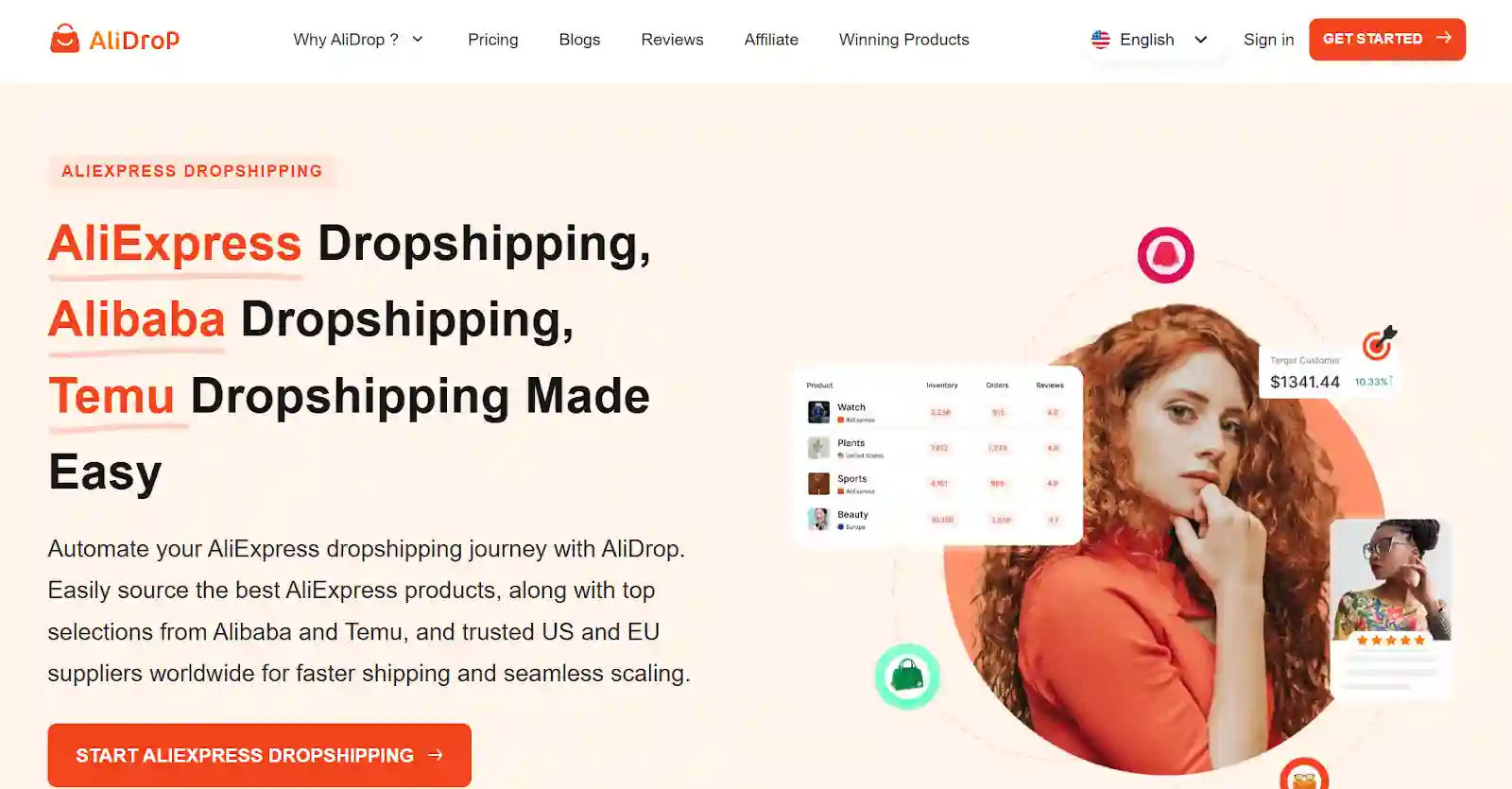
Dropshipping lets you sell products without holding inventory. You set up a store, market it, and when someone buys, the supplier ships directly to the customer. You keep the markup.
Finding untapped niches: The mistake most dropshippers make is jumping into trending products everyone else is selling. You can't compete on price with established players.
Instead, look at specific pain points. Pet owners in Canada spend over CAD 5.7 billion annually on their pets. Most pet dropshipping focuses on toys and food. But hanging window beds for cats have been a surprise success. Why? It solves a specific problem—giving indoor cats enrichment. Natural pet probiotics and eco-friendly pet products are growing faster than generic items.
Health and fitness is another category, but niche it down. Standing desks for mental health isn't a trend—it's now mainstream. But ergonomic desks specifically for writers or coders, with cable management built in, is underserved.
Adult incontinence products seem taboo, so most dropshippers skip them. But demand is steady and profit margins are solid because customers prefer privacy.
Why Use Alidrop for Dropshipping?
Alidrop is built for AliExpress, Alibaba, and Temu dropshipping, which means you can source products from US, EU, and Asian suppliers. The advantage is custom branding options and one-click Shopify integration. You can also pull from their marketplace to find winning products. Other options exist, but Alidrop handles the full workflow—product import, order automation, inventory syncing—which saves you hours each week.
3. Micro-Tasks and Quick Side Gigs

Micro-task platforms let you earn small amounts of money doing simple jobs—data annotation, surveys, image labeling, playing games. The pay is low per task, but if you're consistent, it adds up.
Most active users on platforms like JumpTask, Appen, and Clickworker report earning CAD 10-40 monthly as a side thing. Some users have reported pulling CAD 200+ monthly, but that requires grinding several hours daily.
Data annotation and image labeling jobs pay better than surveys because they're more specific. Helping train AI models is increasingly in demand. These tasks pay CAD 0.50-2 per task, and a skilled worker can complete 20-30 tasks per hour.
JumpTask has fast-refreshing tasks and no KYC signup. Appen offers steady work with weekly payouts via PayPal. Microworkers is known for straightforward work and fast processing.
4. Online Courses and Digital Products

Creating and selling online courses has become more accessible. If you have expertise in something, you can monetize it.
Udemy is the largest marketplace, but they take a heavy cut. Teachable gives you more control over pricing and branding. Skillshare operates on a membership model where you earn based on minutes watched by members. Empenhance focuses on Canadian instructors and pays in CAD.
The barrier to entry is lower than you think. You don't need a fancy camera. Phone recordings with good lighting and clear audio are fine. Courses on productivity, freelancing, and niche skills (like "how to start a dropshipping business from scratch") sell well.
How to Sell Digital Products
Beyond courses, you can sell templates, Notion templates, photography presets, and e-books. These require zero inventory and can be sold infinitely. A well-made Canva template for course creators could sell 50 copies a month at CAD 20 each, bringing in CAD 1,000 monthly with almost no ongoing work.
The catch is getting eyeballs. Gumroad, Podia, and SendOwl make it easy to sell, but you need marketing. Building an email list and using your existing audience (whether that's social media or a blog) gives you a head start.
5. Content Creation

TikTok, YouTube, and Instagram all have creator payment programs. The earnings vary wildly based on niche, engagement, and audience location.
TikTok's 2026 Creator Rewards Program will continue to replace the Creator Fund and up earning potential dramatically. Videos longer than one minute will get paid CAD 0.40 to 1 per 1,000 views (up from the old CAD 0.02-0.04 rate). You need 10,000 followers and 100,000 monthly views to qualify.
Earnings depend on your niche. Finance and tech niches have higher advertiser demand, so your CPM (cost per thousand impressions) is better. Lifestyle and entertainment content has lower CPM but higher view counts.
For the YouTube Partner Program, YouTube requires 1,000 subscribers and 4,000 watch hours in the past 12 months. Ad revenue ranges from CAD 1 to 10 per 1,000 views depending on niche and audience location. But ads are only one income stream. Sponsorships pay much better—CAD 50 to CAD 50,000 per deal if you have a strong niche and engaged audience.
The strategy: Most new creators focus only on ad revenue, which is a mistake. Build toward sponsorships and affiliate deals. A creator with 50,000 subscribers in the productivity or finance space can earn CAD 1,000-5,000 per month from brand deals, while ad revenue might only bring in CAD 300.
6. Affiliate Marketing

Affiliate marketing means promoting other people's products and earning commission on sales. You can also check out Spocket’s affiliate program.
High-commission niches with low competition: Instead of recommending generic products, focus on specific needs. Personal finance in Canada is competitive, but sub-niches like "how to save for a first home" or "debt reduction strategies" have less saturation. You can partner with mortgage brokers, budgeting apps, and financial planning software.
Sleep products (mattresses, white noise apps, blackout curtains) are underserved. You write guides like "How to Sleep Better as a Night Shift Worker," and embed affiliate links to relevant products. Margins are good (5-15% commission), and conversion rates are solid because you're matching solutions to problems.
Remote work tools like time trackers, invoicing software, and VPNs for freelancers have good commission structures (10-25%) and growing demand as more Canadians work from home.
Building an affiliate site: Create cornerstone content—comprehensive guides that rank in Google. "Best Standing Desks for Programmers" or "Top Ergonomic Keyboards for Freelancers" take time to write but rank for months. Each guide generates commissions passively.
The mistake most affiliates make: they recommend products they've never used. Canadian readers trust reviewers who are honest about trade-offs. If a product has a real flaw, mention it. That builds credibility and actually increases sales because people sense honesty.
Can You Earn Money Online in Canada?
The short answer is, yes.
Earning money online in Canada isn't about finding the one magic method. It's about combining multiple streams. A blogger might earn CAD 500 from ads, CAD 1,000 from affiliate commissions, CAD 300 from a sponsored post, and CAD 200 from a digital product—totaling CAD 2,000 monthly without a single client call.
Start with what you're good at and what you enjoy. Freelancing if you have marketable skills. Blogging if you like writing and don't mind waiting six months for real traffic. Dropshipping if you're comfortable with marketing and ads. Pick one, get traction, then layer on other income streams. That's how people actually make real money online in Canada.
Conclusion
Making money online in Canada requires strategy, consistency, and honesty. There are no shortcuts that stick. Focus on solving real problems for real people. Whether you're freelancing, blogging, dropshipping, or creating content, your income follows the value you deliver. Start small, test what works, and scale what succeeds. The opportunity is real, but the work is real too. If you want to earn money online in Canada by dropshipping, then try Alidrop today!
How to Earn Money Online in Canada? FAQs
How long does it take to make real money online in Canada?
Freelancing can bring income in weeks once you're established. Blogging typically takes 6-12 months to generate meaningful money. Dropshipping depends on your ad spend and product fit—some people break even in weeks, others take months. Content creation requires 6-12 months to hit monetization thresholds. Affiliate marketing follows blogging timelines. The fastest route is freelancing with existing skills.
Do I need to pay taxes on money earned online in Canada?
Yes. All online income is taxable in Canada. Whether you're freelancing, affiliate marketing, or running a dropshipping store, you must report earnings to the CRA. Keep records of income and expenses. If you earn over CAD 30,000, you may need to register for GST/HST. Consult an accountant familiar with self-employed income.
What's the minimum investment to start earning online?
You can start freelancing or affiliate marketing with zero investment beyond internet. Blogging costs CAD 50-300 annually for hosting and domain. Content creation needs only a smartphone. Dropshipping requires CAD 300-500+ monthly for ads. Micro-tasks require nothing upfront. Most paths have low barriers; the real investment is your time.
Which method makes the most money fastest?
Freelancing and dropshipping can generate income fastest if you already have skills or capital for ads. Dropshipping requires spending to make money. Freelancing requires building a portfolio. Content creation and blogging are slow burns but build passive income over time. No single method guarantees fast, large income.
Can I do multiple income methods at once?
Yes, you can! Many successful online earners mix freelancing with affiliate marketing, or combine blogging with sponsorships and digital products. Start with one until it runs on autopilot, then add another. Spreading yourself too thin early wastes effort, but layering income streams once you have traction multiplies earnings.
Is it actually possible to work full-time earning money online in Canada?
Yes. Freelancers regularly earn CAD 4,000-8,000 monthly. Successful bloggers and content creators hit CAD 5,000+ monthly. Dropshippers scale to CAD 10,000+ monthly. But these take work, consistency, and smart decisions. Most people can replace part of their income within months. Full-time income usually takes 12-24 months of focused effort.


%201.svg)