

Selling photos online is one of the most accessible ways to earn money as a creator. Whether you're a professional photographer or someone who captures great shots with your smartphone, there are dozens of platforms that allow you to turn your images into a consistent stream of income.
The global demand for high-quality photos continues to skyrocket. Businesses, bloggers, ecommerce brands, advertisers, content creators, and digital marketers all rely heavily on visual content. That means your photos—if licensed correctly—can earn you passive income again and again.
In this complete guide, you’ll learn how to sell photos online, which platforms pay the most, what type of photos buyers want, and how to maximize your earnings even as a beginner. You’ll also learn how platforms differ, how licensing works, and how you can build a profitable photography side hustle online.
Let’s explore the top platforms that actually pay and how to get started.
Why Selling Photos Online Works (and Why It's Growing)
The online world is more visual than ever. Whether it's a website, social media post, product page, or digital advertisement, high-quality images are essential for capturing attention and conveying information. This reliance on visuals has created a massive and fast-growing demand for fresh, diverse photography.
Businesses of all sizes—startups, ecommerce brands, publishers, marketers, and content creators—constantly need new photos for:
- Websites and landing pages
- Social media content
- Branding and promotional campaigns
- Blog articles and editorial pieces
- Product listings and ecommerce stores
- Digital ads across multiple platforms
Because these needs are continuous, creators have more opportunities than ever to monetize their photography.
Another major advantage is that the same photo can earn money repeatedly. Once uploaded to a platform and licensed, it becomes a digital asset that requires no inventory, no shipping, and no ongoing production. Each download or purchase adds to your income without extra work.
This creates a passive and scalable earning model, very similar to ecommerce strategies—such as dropshipping with AliDrop—where:
- One product listing can generate unlimited sales
- You don’t handle stock
- The asset works for you long after it's published
Selling photos operates on the same principle: a single image can produce consistent revenue for years, making it one of the most accessible side hustles for beginners and professionals alike.
How to Sell Photos Online: Understanding Licensing First
Licensing is the foundation of selling photos online. Every marketplace—from stock websites to print-on-demand platforms—uses specific licensing rules that influence your income and copyright ownership. Understanding these terms helps you protect your work and maximize your earning potential. Before listing photos, you must understand image licensing. It determines how much you earn and how your photo can be used.
1. Royalty-Free License (RF)
A Royalty-Free license is the most common licensing model used across stock photography websites. Despite the name, it doesn’t mean your photo is free — it simply means buyers only pay once to access the image and can reuse it multiple times without paying again.
What it means for you
- You earn a fixed royalty each time someone downloads your image.
- The buyer cannot resell the photo, but they can use it in various projects.
- It’s ideal for passive income because the same image can generate hundreds of sales.
2. Rights-Managed License (RM)
A Rights-Managed license gives buyers the right to use your image for a very specific purpose, such as for a limited time, audience size, or geographic region. Once the license expires or the usage limit is reached, the buyer must renew it.
What it means for you
- You earn significantly more per sale compared to RF.
- Your income depends on how the buyer plans to use the image (print, broadcast, worldwide rights, etc.).
- This model is great for premium or highly unique photos because it allows you to charge more for exclusivity.
3. Editorial License
Editorial licenses apply to photos used for informational or journalistic purposes. These images are meant to tell real stories and cannot be used commercially.
Where they are used
- News articles
- Blogs
- Magazines
- Documentaries
- Educational publications
What it means for you
- You cannot edit the image to misrepresent the context.
- You cannot sell these images for advertising.
- Editorial photos often include real people, places, brands, or events that cannot be used commercially without permission.
4. Commercial License
A Commercial License gives businesses the right to use your image for promotional, advertising, or marketing purposes. Since companies rely heavily on visuals to sell products and build branding, commercial photos often pay the most.
Where they are used
- Ads and campaigns
- Ecommerce product listings
- Social media promotions
- Print materials
- Packaging
What it means for you
- Your photo must avoid copyrighted elements or identifiable people unless releases are provided.
- Commercial licenses typically offer higher payouts because the image directly supports business revenue.
10 Proven Platforms to Sell Photos Online (That Actually Pay)
If you want to start earning from your photos but aren’t sure where to upload them, this list will help. These platforms are beginner-friendly, easy to use, and known for paying creators consistently — making them perfect for turning your photos into passive income. Below are the best platforms for beginners and professionals looking to earn money from their photography:
Stock Photo Sites
Stock photo platforms connect you with buyers looking for generic, professional images. These are images used in business presentations, websites, articles, and advertising.
1. Shutterstock
Shutterstock is one of the largest stock photo platforms in the world. When you sell photos online through Shutterstock, you earn a share of subscription fees based on how many times your photos are downloaded. New contributors earn 25% of the download price. After you hit certain milestones, your commission increases. You can upload unlimited photos, and they pay monthly. The competition is fierce, but the volume of buyers is massive, so even niche photos find an audience.
2. Getty Images
Getty Images pays more per image than most platforms, but they're selective about what they accept. If your photos are high-quality and unique, Getty Images offers some of the best payouts in the industry. They work on a royalty model where you earn a percentage each time someone licenses your image. The barrier to entry is higher, but the earnings are significantly better.
3. Adobe Stock
If you use Adobe's Creative Cloud, Adobe Stock is worth exploring. You earn 33% of the sale price, which is solid. Adobe Stock has a dedicated audience of designers and creative professionals who pay premium prices for quality images. Upload your photos, price them, and earn whenever someone licenses your work.
4. iStock
iStock is owned by Getty Images and operates as a more accessible alternative. Payouts start at 15% and increase as you upload more photos. The download volumes tend to be higher than Getty, and the barrier to entry is much lower. Many sellers use both Getty and iStock to maximize earnings from the same image.
Direct-to-Customer Platforms
These platforms let you sell directly to consumers without the middleman taking a huge cut.
5. Etsy
Etsy isn't just for crafts. You can sell digital photos as printable downloads on Etsy. Customers buy your images, download them immediately, and print them at home or use them digitally. You control the pricing completely. Many sellers price digital downloads between $3 and $15, and margins are excellent since there's no production cost. When you sell my images online through Etsy, you own the customer relationship and can build a brand.
6. POD Platforms
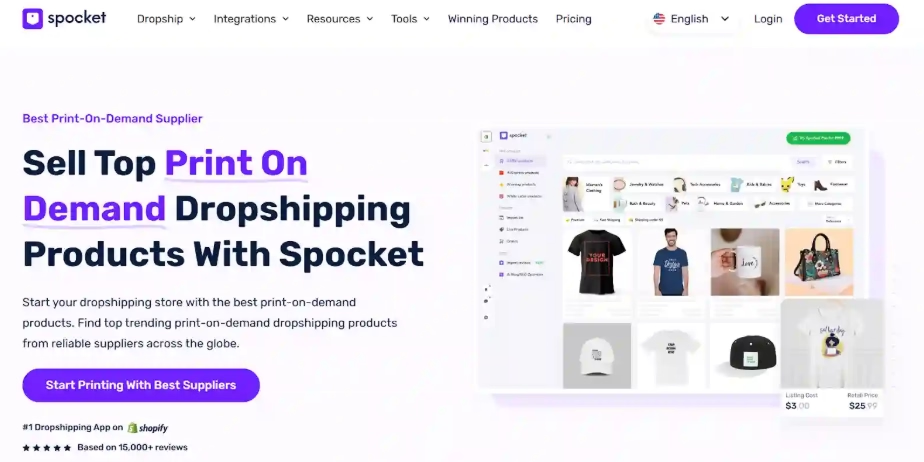
POD platforms like Printful, Merch by Amazon, and Spocket let you sell images printed on physical products—t-shirts, mugs, hoodies, wall art. You upload your image, choose which products to offer it on, set the price, and the platform handles everything. You only pay for materials when someone buys. If someone orders a $35 hoodie with your image, you might earn $10 or more depending on your pricing strategy. This is passive income with zero inventory risk.
7. Your Own Website
If you want full control and higher margins, sell directly from your own website using Shopify or WooCommerce. You keep 100% of profit margins after payment processing fees. The downside? You handle marketing, customer service, and everything else yourself. This works best once you have an audience or strong branding. Starting out, it's better to use established platforms to build demand first.
Niche Image Selling Platforms
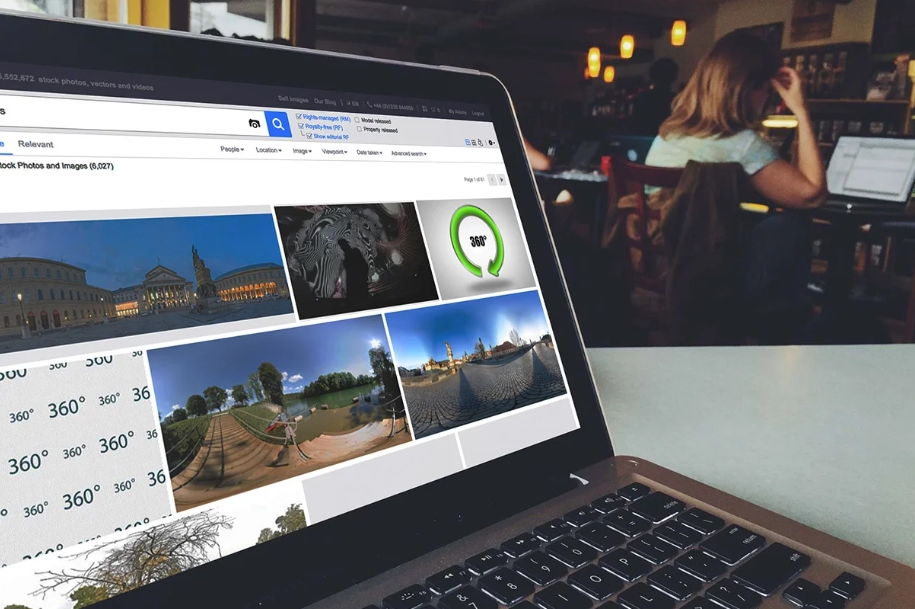
Here are some other options you can try. These are for niche photos also:
8. Alamy
Alamy is a microstock platform that accepts various image types. They pay higher commissions than some competitors—up to 50% depending on your tier. The community is more supportive of niche and specialized images.
9. EyeEm
EyeEm combines social features with selling. You build a following while licensing your images. Brands and companies browse the platform looking for influencers and photographers. When you sell my images online here, you're also building your personal brand simultaneously.
10. Foap
Foap is mobile-first. You shoot on your smartphone, upload, and sell directly to brands and businesses. Payouts range from $5 to several hundred dollars per image. It's competitive, but it's one of the fastest ways to see sales when you're just starting.
What Skills Do You Need to Sell Photos Online?
Before you worry about needing advanced photography skills, stop. Many successful sellers on image platforms started with basic smartphone photography. Here's what you actually need:
Photography Basics
You need to understand lighting, composition, and focus. This doesn't mean you need a photography degree. Learning to shoot in natural light, frame your subjects properly, and avoid blurry photos will get you 80% of the way there. YouTube has thousands of free tutorials that teach you these fundamentals in hours.
Understand Your Niche
Knowing what types of images sell matters more than being a technical wizard. Travel photos sell well. Lifestyle images sell well. Business and work-related photos sell well. Niche-specific images sell well. When you sell pictures of yourself online for money, your personal brand or lifestyle niche becomes your advantage. Know what your audience wants and deliver it.
Basic Editing Skills
You don't need Photoshop. Free tools like Canva, Pixlr, and even smartphone apps let you adjust brightness, contrast, and crop. Learning to edit your images so they pop makes them more likely to sell. Spend a few hours learning one editing tool and you're golden. This kind of basic photo editing is often enough to improve visual quality and presentation without adding extra cost or complexity to your workflow.
Consistency
The skill that separates successful sellers from one-time sellers is showing up consistently. Upload new images regularly. Test different styles. See what gets traction. Refine and repeat. You don't need to be perfect; you need to be persistent. When you learn how to sell my images online, consistency in uploading and improving becomes your real superpower.
What Type of Photos Sell the Best?
Different niches perform better on stock platforms and marketplaces, and knowing what buyers search for can significantly increase your earning potential. Below are the most in-demand photo categories that regularly convert into downloads and sales across multiple platforms. While any niche can earn money, some types perform consistently well across platforms:
1. People and Lifestyle Photos
Brands want real, authentic shots of everyday life.
2. Business and Technology
Laptops, offices, teamwork, AI, finance — highly in demand.
3. Travel and Nature
Landscapes, cityscapes, wildlife, beaches, mountains.
4. Food Photography
Restaurants, meal preps, coffee shots, aesthetically styled food.
5. Ecommerce-Friendly Images
Minimalistic, clean product-style flat lays often sell well for commercial use.
6. Diversity and Representation
Photos highlighting ethnicity, culture, ability, and inclusivity.
7. Fitness and Wellness
Yoga, gym, meditation, healthy food, lifestyle routines. The more relatable, clean, and visually appealing your image is, the more sales it can generate.
How Much Money Can You Make Selling Photos Online?
Earnings vary widely based on:
- Platform royalty rates
- Licensing type
- Exclusivity
- Photo quality
- Niche demand
- Upload consistency
On average:
- Stock platforms: $0.25–$20 per download
- Premium platforms: $20–$200+
- Direct sales (your website): $10–$200 per image
- Print sales: $20–$300
- Brand commissions: $50–$1,500
Most creators start small but build passive income over time as their portfolios grow.
How to Start Selling My Images Online Instantly
The process is straightforward. Here's the exact roadmap:
Step 1: Choose Your Platforms
Don't try to be everywhere at once. Pick two or three platforms that match your style and image types. If you shoot lifestyle and travel photos, Etsy and Shutterstock are solid choices. If you have professional business photos, Getty Images and Adobe Stock make sense. Focus your effort where it matters.
Step 2: Create Quality Images
Your existing photos might work fine, but you'll want to consistently shoot more. Consider what sells and deliberately create images around those categories. You don't need to shoot hundreds of photos. Even 20 high-quality, unique images can generate income. When you sell my images online, quality beats quantity.
Step 3: Set Up Your Accounts
Registration takes minutes. You'll need:
- A clear profile description
- Basic information about your photography style
- A profile photo
- Payment information
Be specific about what kind of images you offer. This helps buyers find you and platforms recommend your work to the right audience.
Step 4: Upload and Optimize
This is critical. Your image title, description, and tags determine whether someone finds your photo. Use the keywords that people actually search for. Instead of "Nice sunset photo," use "Golden hour sunset beach landscape nature photography." When you sell photos online, optimization directly impacts sales.
Include the primary keywords: "sell images online," "how to sell photos online," and "how to sell my images online" in your descriptions and tags whenever relevant. Use these naturally—don't force them where they don't fit.
Step 5: Price Your Images
Start conservative. You can always raise prices later. On Etsy, digital downloads typically range from $3 to $20. On stock sites, prices are often set by the platform. On your own site, you have full control. Test different price points and see what sells. Premium, professional images command higher prices than casual shots.
Step 6: Refine Based on Data
Look at what sells and what doesn't. Upload more of what works. Double down on your strengths. If landscapes consistently outsell portraits, shoot more landscapes. When you sell my images online, the data guides your strategy.
Mistakes to Avoid When Selling Your Images Online
Learning from others' mistakes saves you time and money. Here's what not to do:
Poor Image Quality
Blurry, poorly lit, or badly framed images won't sell. If your photos look amateur, people pass them by. Spend time learning basic photography before uploading hundreds of mediocre photos. Better to have 50 excellent images than 500 bad ones.
Keyword Stuffing
Using unrelated keywords in titles and descriptions doesn't help. It might get your photo in front of someone, but they'll leave immediately if the image doesn't match. Be honest about what your image shows and use relevant keywords only.
Too Many Platforms at Once
Spreading yourself thin across 10 platforms is exhausting and yields poor results. Master two platforms before expanding. You'll learn each platform's nuances and upload better optimized images.
Ignoring Trends
Images that were popular five years ago might be outdated. Follow what's trending now. See what's selling on top platforms. Adjust your photography to match current demand. When you sell photos online, staying current matters.
Not Reading Platform Requirements
Each platform has different rules about image quality, resolution, and content. Read the guidelines before uploading. Getty Images has different requirements than Etsy, which has different requirements than Shutterstock. Following rules increases acceptance rates and prevents your images from being rejected.
Setting Unrealistic Expectations
Don't expect $100 per photo or thousands in monthly income immediately. Most sellers earn $5 to $20 per image in the first year. Income grows as your portfolio grows. When you sell my images online, building momentum takes time. Play the long game.
Giving Up Too Early
Many people upload 10 images, see no sales in the first week, and quit. Sales take time. You need at least 100 to 200 quality images before you see meaningful income. Successful sellers upload consistently for months or years. Patience beats quick exits.
Conclusion
Selling photos online is one of the most flexible and rewarding ways to earn money from your creativity. Whether you're a beginner with a smartphone or a professional with years of experience, there are multiple platforms where your images can generate real income. The key is to understand licensing, choose the right marketplaces, and produce high-quality images in niches that buyers want.
Just like ecommerce sellers use AliDrop to build automated income streams, photographers can turn their photos into passive revenue by uploading consistently and optimizing for search.
With the right platforms and the right strategy, your photography can become a sustainable online business that continues to pay you for years.
FAQs About Selling Photos Online
Do you need a professional camera to sell photos online?
No. Many platforms accept high-quality smartphone photos. What matters most is lighting, composition, and clarity. Even major stock marketplaces now feature smartphone photography if the quality is strong.
How much money can beginners realistically earn?
Beginners typically earn anywhere from a few dollars to a few hundred per month, depending on the number of uploads and photo quality. As your portfolio grows, your income becomes more consistent—and can scale into thousands per month over time.
Which type of photos sell the fastest?
Lifestyle, business, technology, fitness, food, and travel images tend to sell quickly. Buyers look for authentic, relatable visuals rather than overly staged or edited photos.
Can you sell the same photo on multiple platforms?
Yes, unless you sign an exclusive licensing agreement. Most creators sell the same image on 5–10 platforms to maximize sales. Non-exclusive licensing gives you the most flexibility.
Do stock photography sites own my photos?
No. You retain copyright ownership. Platforms only receive permission to license your photos under your chosen terms. You can continue to use your images however you want unless bound by exclusivity.


%201.svg)