


Long shipping times are one of the most common challenges in dropshipping businesses. Many ecommerce stores rely on international suppliers, which means orders may take longer to reach customers compared to locally stocked products. While slower delivery can sometimes frustrate buyers, the real issue usually arises when customers feel uninformed about the status of their order.
In most cases, delays themselves are not the biggest problem. The bigger problem is poor communication. Customers who receive clear updates about their order are far more likely to remain patient and satisfied with their purchase. Transparent communication reassures shoppers that their order is still being processed and that the store is actively monitoring the shipment.
This guide explains how to handle long shipping times professionally and includes practical customer communication templates you can use in your store.
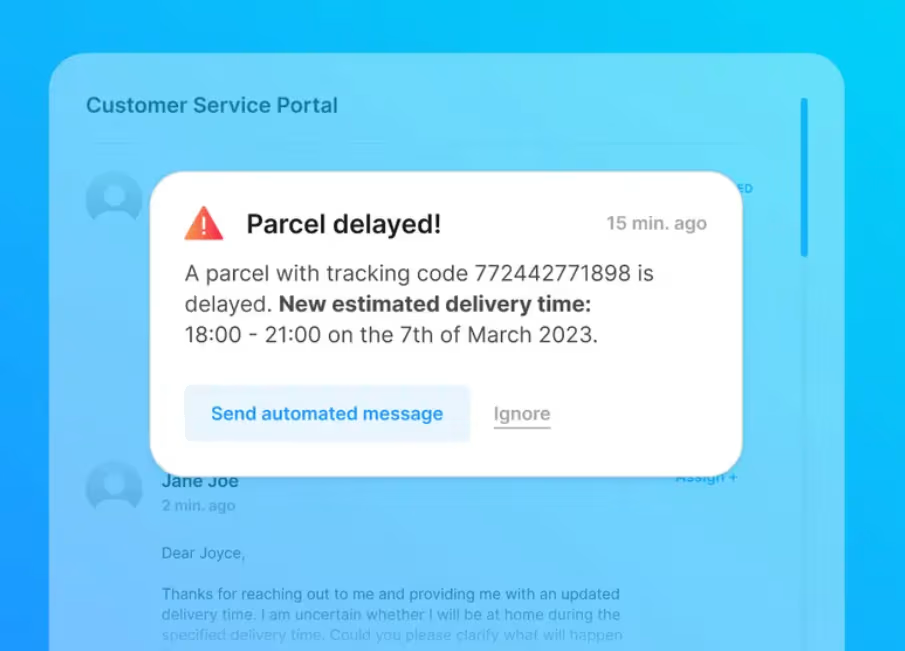
Why Shipping Communication Matters in Dropshipping
When customers shop online, they expect transparency about their order status. If several days pass without updates, many customers assume something has gone wrong. This uncertainty can lead to support requests, refund demands, or negative reviews.
Good communication helps prevent these issues. When stores proactively inform customers about shipping timelines and potential delays, they build trust and reduce anxiety.
Effective communication provides several benefits:
- Reduces customer support inquiries
- Improves customer satisfaction
- Prevents unnecessary refunds or disputes
- Builds long-term customer trust
- Strengthens brand credibility
Customers are often willing to wait longer for their order if they know exactly what to expect. The key is to keep them informed.
Understanding Why Shipping Delays Occur
Before communicating with customers about shipping delays, it is important to understand the reasons delays happen. Dropshipping shipments may take longer due to several factors.
International Shipping Distance
Many dropshipping suppliers ship products from overseas warehouses. International transportation naturally takes longer than domestic shipping. Customs processing, international logistics, and multiple transit points can all affect delivery time.
High Seasonal Demand
During major shopping periods such as holidays or large promotional events, shipping carriers often experience increased order volume. This can slow down delivery schedules.
Supplier Processing Time
Suppliers may require additional time to prepare orders before they are shipped. Processing delays may occur when suppliers receive large volumes of orders.
Customs and Import Inspections
Packages traveling across borders sometimes require inspection by customs authorities. This can delay delivery even after the shipment has already left the supplier's warehouse.
Understanding these factors helps store owners explain delays more clearly to customers.
Setting Expectations Before the Purchase
The best way to manage long shipping times is to set expectations before customers place their order. If customers already know the expected delivery window, they are less likely to feel frustrated later.
Clear shipping information can be displayed in several places:
- Product pages
- Shipping policy pages
- Checkout pages
- Order confirmation emails
For example, a product page might include a message such as:
“Due to high demand, delivery may take approximately 10–18 business days.”
Setting expectations early prevents misunderstandings later.
Essential Customer Communication Templates for Shipping Delays
Clear and timely communication is one of the most effective ways to manage long shipping times in dropshipping. Customers are far more patient when they receive regular updates about their order status, shipping progress, and any unexpected delays. Instead of waiting for customers to reach out with concerns, proactive communication helps build trust and reduces frustration.
The following templates cover the most common situations that occur during the fulfillment process, including order confirmation, shipping notifications, delay updates, customer inquiry responses, and apology messages for extended delays. These ready-to-use templates can help ecommerce stores maintain transparency, improve customer experience, and handle shipping-related concerns professionally.
1. Order Confirmation Template
The first message customers receive after placing an order should confirm the purchase and explain the shipping timeline.
Order Confirmation Email
Subject: Your Order Has Been Confirmed
Hi [Customer Name],
Thank you for your order! We’re excited to start preparing your items for shipment.
Because some of our products are shipped directly from international suppliers, delivery typically takes 10–18 business days.
Once your order ships, you will receive a tracking link so you can monitor your package during transit.
If you have any questions, our support team is always here to help.
Thank you for shopping with us.
– [Store Name]
This message immediately reassures customers that their order is being processed.
2. Shipping Confirmation Template
Once the supplier ships the order, the next important step is providing a tracking update.
Shipping Confirmation Email
Subject: Your Order Is On the Way
Hi [Customer Name],
Good news! Your order #[Order Number] has been shipped.
You can track your package using the link below:
[Tracking Link]
Shipping usually takes 10–18 business days, depending on your location and local carrier processing times.
We appreciate your patience and will continue monitoring your shipment.
If you need assistance, feel free to contact our support team.
Best regards,
– [Store Name]
Providing tracking information significantly reduces customer inquiries.
3. Shipping Delay Notification Template
Sometimes delays occur after the order has already been shipped. In these situations, proactive communication is essential.
Shipping Delay Email
Subject: Update on Your Order Delivery
Hi [Customer Name],
We wanted to provide an update regarding your order #[Order Number].
Due to higher-than-usual shipping demand and international logistics delays, your package may take slightly longer than expected to arrive.
Your new estimated delivery date is [Updated Delivery Window].
You can check the latest shipping updates here:
[Tracking Link]
We sincerely appreciate your patience and understanding.
Please let us know if you have any questions.
Warm regards,
– [Store Name]
This message reassures customers that their order is still being monitored.
4. Customer Inquiry Response Template
Customers often reach out when they are unsure about their shipment status. Responding quickly and clearly helps maintain trust.
Customer Support Response
Hi [Customer Name],
Thank you for contacting us regarding your order #[Order Number].
Your package is currently in transit, and international deliveries sometimes take 10–18 business days depending on customs processing and local carrier schedules.
You can track the latest shipment status here:
[Tracking Link]
We appreciate your patience and will continue monitoring the shipment for you.
Please let us know if there is anything else we can assist with.
Best regards,
– Customer Support Team
This template reassures the customer without creating unnecessary concern.
5. Apology Template for Extended Delays
In rare cases, delays may exceed the expected timeframe. Offering an apology and a small incentive can help maintain goodwill.
Delay Apology Email
Subject: We Apologize for the Shipping Delay
Hi [Customer Name],
We sincerely apologize for the delay in delivering your order #[Order Number].
Due to unexpected shipping carrier congestion, delivery is taking longer than originally estimated.
Your updated delivery window is [New Estimated Date].
As a thank-you for your patience, we would like to offer you a 10% discount on your next purchase using the code:
THANKYOU10
We truly appreciate your support and understanding.
Warm regards,
– [Store Name]
Small gestures like discounts can help maintain positive relationships with customers.
Best Practices for Handling Long Shipping Times
Managing long shipping times effectively requires more than simply sending delay notifications. Successful ecommerce stores focus on setting the right expectations, communicating proactively, and creating a transparent shipping process that keeps customers informed at every stage of their order. When customers know what is happening with their shipment, they are far less likely to feel frustrated or request refunds.
By combining clear shipping policies, timely updates, and responsive customer support, businesses can turn potential delays into opportunities to build trust. The following best practices help store owners reduce complaints, maintain customer satisfaction, and handle shipping delays professionally while continuing to grow their dropshipping business.
- Communicate Proactively: Do not wait for customers to ask about delays. If you notice shipping issues, send updates immediately.
- Be Transparent: Always provide honest explanations for delays without overcomplicating the message.
- Offer Tracking Information: Tracking links help customers monitor their order and reduce unnecessary support inquiries.
- Maintain a Friendly Tone: Even when explaining delays, your messages should remain polite, empathetic, and supportive.
- Respond Quickly to Customer Questions: Fast responses demonstrate professionalism and help maintain trust.
Reducing Shipping Complaints in Dropshipping
While communication helps manage delays, there are also ways to reduce shipping complaints altogether.
- Choose Reliable Suppliers: Suppliers with consistent fulfillment performance reduce the likelihood of shipping delays.
- Provide Accurate Delivery Estimates: Avoid promising unrealistic delivery times just to attract more customers.
- Offer Faster Shipping Options: Some suppliers provide premium shipping methods that deliver products faster.
- Monitor Supplier Performance: Tracking supplier reliability helps identify potential issues before they affect customers.
Using platforms like AliDrop can simplify supplier selection and help store owners connect with reliable AliExpress suppliers.
Using Automation for Shipping Updates
Automation tools can significantly improve shipping communication. Automated notifications can send updates when:
- Orders are confirmed
- Orders are shipped
- Tracking numbers become available
- Shipping delays occur
These automated updates reduce manual work and ensure customers receive consistent information. Automation also helps maintain communication even when stores process large volumes of orders.
How Clear Communication Builds Customer Trust
Shipping delays are sometimes unavoidable, but the way businesses handle them can make a major difference in customer perception. When stores communicate clearly and consistently, customers feel confident that their order is being handled responsibly.
Trust is especially important in dropshipping because customers may be unfamiliar with the shipping process.
A transparent approach demonstrates professionalism and builds long-term customer loyalty.
Final Thoughts
Long shipping times are a common part of international dropshipping, but they do not have to harm the customer experience. With clear expectations, proactive communication, and well-structured customer support templates, ecommerce stores can maintain strong relationships with their customers.
The key is to inform customers early, provide regular updates, and respond quickly to concerns.
By combining effective communication with reliable supplier networks through platforms like AliDrop, dropshipping stores can manage shipping delays professionally while maintaining customer satisfaction.
FAQs About Managing Shipping Delays
Why do dropshipping orders sometimes take longer to arrive?
Dropshipping orders may take longer because many products ship from international suppliers. Factors such as customs inspections, transportation distance, and carrier processing times can affect delivery schedules.
How can I prevent customers from complaining about long shipping times?
The best approach is to set clear delivery expectations before customers place their order. Providing accurate shipping estimates and regular tracking updates helps prevent misunderstandings.
What should I include in a shipping delay message?
A good shipping delay message should include an apology, a brief explanation for the delay, an updated delivery estimate, and a tracking link for the order.
Should I offer compensation for shipping delays?
If delays are significant, offering small incentives such as discounts or store credits can help maintain positive customer relationships.
How can automation help manage shipping communication?
Automation tools can send order confirmations, shipping notifications, and tracking updates automatically. This ensures customers stay informed while reducing the workload for store owners.


%201.svg)


.avif)