

Shopify dropshipping with AliExpress remains one of the easiest ways to start an ecommerce business without buying inventory upfront. You create a Shopify store, list products from AliExpress, and when a customer places an order, the supplier ships the product directly to them.
The model is simple, but building a successful store in 2026 requires more than adding random products and waiting for sales. Competition is higher, customers expect better product pages, and slow manual workflows can make it harder to scale. Recent 2026 dropshipping guides also emphasize product research, automation, supplier checks, and store optimization as key parts of the setup process.
This is where AliDrop helps. Instead of manually copying AliExpress product details into Shopify, AliDrop makes the process smoother with product importing, store connection, and automation features built for AliExpress dropshipping. If you want to launch faster, test products more efficiently, and manage your store with less manual work, AliDrop gives you a cleaner way to set up your Shopify dropshipping business.
What Is Shopify Dropshipping with AliExpress?
Shopify dropshipping with AliExpress is a business model where you sell AliExpress products through your Shopify store without keeping stock yourself. Your store handles the branding, product pages, payments, and customer experience, while the supplier handles product storage and shipping after an order is placed.
This setup is popular because it lowers the entry barrier for new sellers. You do not need to rent warehouse space, buy bulk inventory, or manage packaging. Instead, you focus on finding products, creating a trustworthy store, marketing your offer, and managing customer expectations.
How the Model Works
The workflow is simple once your store is set up:
- You choose products from AliExpress.
- You import those products to your Shopify store using AliDrop.
- You edit the product title, images, pricing, and description.
- A customer places an order on your Shopify store.
- The order is processed through your AliExpress supplier.
- The supplier ships the product directly to the customer.
Your profit comes from the difference between the supplier cost and the price you charge on your Shopify store.
For example, if a product costs $8 from the supplier and you sell it for $24.99, the difference helps cover your marketing, platform fees, transaction costs, refunds, and profit margin.
Why Shopify and AliExpress Work Well Together
Shopify gives you control over your online store. You can customize your design, create product pages, set pricing, build collections, run ads, use email marketing, and create a branded customer journey.
AliExpress gives you access to a wide range of products across categories like fashion, home improvement, electronics accessories, pet supplies, beauty tools, kitchen gadgets, and more.
Together, they make it possible to start a dropshipping store without holding inventory. AliDrop improves this workflow by helping you import AliExpress products into Shopify faster and manage the product setup process with less manual effort.
Why Use AliDrop for AliExpress Dropshipping in 2026?
AliDrop is useful because product importing and order management can quickly become repetitive when done manually. In the early stage, manually adding one or two products may seem manageable. But once you start testing more products or building a full catalog, the process becomes time-consuming.
In 2026, speed matters. Product trends move quickly, ads require testing, and customers expect polished product pages. AliDrop helps sellers reduce manual work so they can focus more on product selection, branding, and marketing.
Faster Product Importing
One of AliDrop’s biggest advantages is faster product importing. Instead of copying product titles, downloading images, creating variants, and rewriting every listing from scratch, you can import products from AliExpress into Shopify more efficiently.
This is helpful when you want to:
- Launch your store faster.
- Test multiple product ideas.
- Build niche collections.
- Save time on manual uploads.
- Reduce repetitive setup work.
Importing is not the final step, though. After importing a product, you should still edit the title, description, images, variants, and pricing to match your store.
Better Workflow for Beginners
Many beginners get stuck because they do not know what to do after choosing a product. They may understand the idea of dropshipping, but the technical steps feel confusing.
AliDrop helps simplify the workflow by making product importing easier. Instead of jumping between multiple manual tasks, you can focus on building a better product page and preparing your store for launch.
For beginners, this means less time spent figuring out basic setup and more time spent learning what actually matters: product quality, customer trust, pricing, and marketing.
More Time for Product Research and Marketing
Manual importing does not directly grow your store. It is necessary, but it should not take most of your time.
AliDrop helps free up time for higher-impact tasks such as:
- Finding better products.
- Improving product descriptions.
- Creating ad creatives.
- Optimizing your store design.
- Testing offers.
- Studying customer behavior.
- Building email campaigns.
The faster you finish repetitive setup work, the sooner you can focus on getting traffic and improving conversions.
Step-by-Step Shopify AliExpress Dropshipping Setup with AliDrop
Setting up a Shopify dropshipping store with AliExpress is easier when you follow a clear process. Skipping steps often leads to messy product pages, unclear shipping details, weak branding, and poor customer trust.
Use the following setup flow to build your store properly from the beginning.
Choose a Clear Dropshipping Niche
Before importing products, decide what your store will focus on. A niche helps you choose better products, write stronger product descriptions, create targeted ads, and make your store feel more trustworthy.
A good niche should have:
- Clear customer demand.
- Products with useful benefits.
- Enough variety for testing.
- Reasonable profit margins.
- A target audience you can understand.
- Products that are easy to explain visually.
Examples of beginner-friendly niches include pet accessories, home organization, beauty tools, fitness accessories, kitchen gadgets, travel essentials, and baby care products.
Avoid building a store that sells unrelated products across too many categories. A random catalog can make your store look less professional and harder to market.
Set Up Your Shopify Store
Once you have a niche, create your Shopify store and set up the basic structure. Your store does not need to be perfect at the beginning, but it should look clean, trustworthy, and easy to navigate.
Start with the essentials:
- Choose a simple store name.
- Pick a clean theme.
- Add your logo and brand colors.
- Create product collections.
- Set up your homepage.
- Add navigation menus.
- Create your contact page.
- Add refund, shipping, and privacy policies.
- Connect payment methods.
- Set up checkout settings.
Your goal is to create a store that feels real. Customers are more likely to buy when your website looks complete and professional.
Connect AliDrop to Your Shopify Store
After your Shopify store is ready, connect AliDrop so you can start importing products from AliExpress.
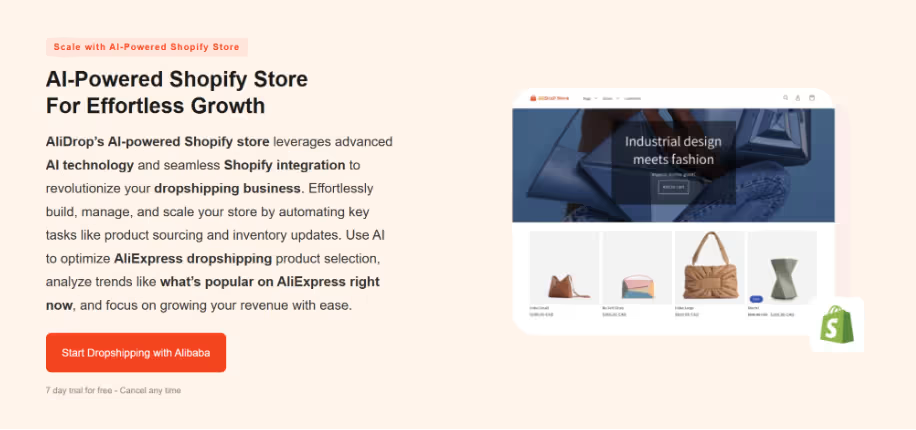
This connection helps you avoid manually recreating every product listing. Once connected, you can import product details into Shopify, then edit them before publishing.
Before importing, make sure your product collections are already planned. This helps keep your store organized from the start.
For example, if you are building a pet store, your collections may include:
- Dog grooming.
- Cat toys.
- Pet travel.
- Feeding accessories.
- Pet beds.
Organized collections make it easier for customers to browse your store and find relevant products.
Research Products on AliExpress
Product research is one of the most important parts of dropshipping. A poor product will not become successful just because your store looks good. You need products that people actually want and can understand quickly.
When reviewing AliExpress products, check:
- Product reviews.
- Number of orders.
- Supplier rating.
- Product photos.
- Shipping options.
- Variant quality.
- Customer feedback.
- Price consistency.
- Product uniqueness.
- Problem-solving value.
Look for products that solve a clear problem or create a strong desire. Products that are easy to demonstrate in photos or videos are often better for social media ads.
Import Products with AliDrop
Once you find a product worth testing, import it to your Shopify store using AliDrop. The imported listing gives you a starting point, but it should not be published immediately. Marketplace product titles and descriptions are often not written for branded Shopify stores. They may be too long, too generic, or difficult to read.
Treat every imported product as a draft. Your next job is to improve it before customers see it.
Edit Your Product Listing
After importing, review the listing carefully. Edit the product title so it sounds clean and clear. Remove unnecessary keywords, supplier-style wording, and confusing phrases.
Then improve the product description. Instead of only listing features, explain how the product helps the customer. Show the benefit behind each feature.
For example, instead of saying: “Made with silicone material”
You can say: “The soft silicone design feels gentle during daily use and is easy to clean after every wash.”
Also review the images. Remove low-quality photos, duplicate images, and anything with supplier branding or unnecessary text.
Set Pricing and Profit Margins
Pricing should be based on more than the supplier cost. You need to account for all business expenses before deciding your selling price.
Consider:
- Product cost.
- Shipping cost.
- Shopify fees.
- Payment processing fees.
- Ad costs.
- Discounts.
- Returns.
- Refunds.
- Profit margin.
Many beginners price products too low because they want quick sales. The problem is that low margins leave little room for ads, mistakes, or customer support costs.
A healthier approach is to price based on perceived value. If your product solves a real problem and your product page presents it well, you can often charge a better price.
How to Optimize Your Shopify Store Before Launch
Launching your store too quickly can hurt your chances of making sales. Before you drive traffic, your store should answer customer questions, look reliable, and make checkout easy.
Optimization does not mean making everything complicated. It means removing friction and making the buying decision easier.
Improve Your Homepage
Your homepage should quickly explain what your store sells and why customers should care. A strong homepage usually includes:
- A clear hero section.
- A short value statement.
- Featured products or collections.
- Trust-building content.
- Simple navigation.
- Clear calls to action.
- Mobile-friendly design.
Avoid cluttering your homepage with too many sections. Keep it focused and easy to understand.
Build Trust with Store Policies
Customers want to know what happens after they buy. Clear policies can reduce hesitation and make your store feel more professional. Add important pages such as:
- Shipping policy.
- Return and refund policy.
- Privacy policy.
- Terms of service.
- Contact page.
- FAQ page.
Be honest about shipping times. Overpromising fast delivery when your supplier cannot support it can lead to complaints and refund requests.
Make Product Pages Conversion-Friendly
Your product page is where the buying decision happens. It should be clear, persuasive, and easy to scan. A strong product page should include:
- Clear product title.
- High-quality images.
- Benefit-focused description.
- Clean variant options.
- Transparent shipping details.
- Product specifications.
- Trust signals.
- Clear add-to-cart button.
- FAQs if needed.
Do not rely only on imported descriptions. Rewrite them so they match your audience and brand voice.
How to Handle Orders and Fulfillment
Once customers start buying, your fulfillment process needs to be reliable. A slow or disorganized order flow can create problems, even if your product page gets sales.
AliDrop can help streamline the dropshipping workflow, but you still need to monitor supplier performance and customer communication.
Process Orders Carefully
When an order comes in, check the product, variant, quantity, shipping address, and customer details. Small mistakes can lead to wrong shipments or support issues.
If you use automation, still review early orders manually until you are comfortable with the process. This helps you catch errors before they become bigger problems.
Track Supplier Performance
Not every supplier will perform the same way. Some may ship quickly and communicate well, while others may have delays or inconsistent product quality.
Track:
- Processing time.
- Shipping time.
- Customer complaints.
- Product quality feedback.
- Tracking updates.
- Refund frequency.
If a supplier creates repeated issues, replace the product or look for a better supplier.
Communicate Clearly with Customers
Good communication can prevent many customer support problems. Send clear order confirmation emails, shipping updates, and tracking information whenever possible.
If shipping takes longer, be honest. Customers are more patient when expectations are clear from the beginning.
Marketing Your AliExpress Dropshipping Store
Once your store is set up, marketing becomes the next major step. A store without traffic will not generate sales, no matter how good the products are.
Your marketing strategy should match your niche, product type, and budget.
Start with Organic Content
Organic content is useful if you want to build trust before spending heavily on ads. Short videos, product demos, tutorials, and before-after content can help customers understand why your product is useful. Content ideas include:
- Product demonstration videos.
- Problem-solution posts.
- Unboxing-style clips.
- Lifestyle product photos.
- Customer education posts.
- Comparison content.
- Gift guides.
Products that are visually interesting or solve a clear problem usually perform better in organic content.
Test Paid Ads Carefully
Paid ads can help you get traffic faster, but they can also burn money if your product page or offer is weak. Before running ads, make sure:
- Your product page is optimized.
- Pricing leaves room for ad costs.
- Shipping expectations are clear.
- The product has strong visuals.
- Your offer is easy to understand.
- Your checkout works smoothly.
Start with small tests. Track clicks, add-to-carts, checkout starts, purchases, and cost per sale.
Use Email Marketing Early
Email marketing is often overlooked by beginners, but it can help recover lost sales and increase repeat purchases. Set up basic email flows such as:
- Welcome email.
- Abandoned cart email.
- Order confirmation.
- Shipping update.
- Post-purchase follow-up.
- Product recommendation email.
Even simple email flows can improve your store’s performance over time.
Common Mistakes to Avoid in 2026
Shopify AliExpress dropshipping still works, but the lazy version of it does not. Customers expect better stores, clearer communication, and more reliable experiences.
Avoid these mistakes if you want to build a stronger business.
Importing Products Without Editing
Never publish imported products exactly as they are. Raw imported listings often look generic and may include awkward descriptions, unclear variants, or unnecessary wording. Always edit before publishing.
Choosing Products Only by Low Price
A cheap product is not always a good product. If the quality is poor, shipping is unreliable, or the product is difficult to explain, it may cause more problems than profit. Focus on value, not just low cost.
Ignoring Shipping Times
Shipping expectations matter. If customers expect fast delivery and your supplier takes much longer, they may request refunds or leave negative feedback. Be clear about delivery timelines before purchase.
Selling Too Many Unrelated Products
A random store is harder to trust. Customers should quickly understand what your store sells and why it exists. A focused niche usually performs better than a scattered catalog.
Skipping Customer Support Setup
Even a small store needs support. Create a simple system for handling order questions, tracking issues, refund requests, and product concerns. Good support can protect your brand and reduce disputes.
Final Thoughts
Shopify dropshipping with AliExpress can still be a practical way to start an ecommerce business in 2026, but success depends on how you set it up. You need a clear niche, reliable products, strong product pages, transparent shipping information, and a store that feels trustworthy.
The best approach is simple: use AliDrop for speed, but do not skip quality. Research products carefully, customize every listing, price with profit in mind, and create a store that customers feel comfortable buying from.
When your product selection, store setup, and workflow are all aligned, Shopify dropshipping with AliExpress becomes much easier to manage and much more realistic to grow.
FAQs about Shopify Dropshipping with AliExpress
How do I start Shopify dropshipping with AliExpress?
To start Shopify dropshipping with AliExpress, choose a niche, create your Shopify store, connect AliDrop, find products on AliExpress, import them to Shopify, edit the listings, set pricing, and publish them. After that, focus on marketing, order fulfillment, and customer support.
Is AliExpress still good for Shopify dropshipping in 2026?
Yes, AliExpress can still be useful for Shopify dropshipping in 2026, especially for product testing and niche store building. However, success depends on choosing reliable suppliers, editing imported listings, setting clear shipping expectations, and using tools like AliDrop to reduce manual work.
Why should I use AliDrop for AliExpress dropshipping?
AliDrop helps simplify AliExpress dropshipping by making product importing faster and reducing manual setup work. Instead of copying titles, images, variants, and descriptions one by one, you can import products to Shopify more efficiently and then customize them before publishing.
Can I dropship AliExpress products on Shopify without inventory?
Yes. With the dropshipping model, you do not need to buy or store inventory upfront. You list AliExpress products on your Shopify store, and when a customer places an order, the supplier ships the product directly to the customer.
What should I edit after importing AliExpress products to Shopify?
After importing products, edit the product title, description, images, variants, pricing, SEO title, meta description, and shipping details. This helps your store look more professional and prevents your product pages from feeling like copied marketplace listings.


%201.svg)