

You probably have a bunch of products that you want to sell, but you don't want to hire a dedicated photographer or go to a photo studio, since you know that your costs can pile up fast. If that sounds like you, maybe you can join AI to generate lifestyle photos. You can even make AI influencers for your brand and get them to promote your products.
It's really hard to tell the difference between AI and real life when you use the right tools, prompts, and overall approaches. In this guide, we'll break down how to get started with AI lifestyle photography for your e-commerce shoots. You'll have all the tools you need to know to enjoy success and more sales with AliExpress product dropshipping. Let's go.
How to Create Lifestyle Photos for AliExpress Products with AI?
You can use AI lifestyle photos on AliExpress based stores by turning standard supplier images or your own snapshots into branded scenes. The practical steps stay similar across AI tools that target ecommerce sellers.
Start from clean, accurate product photos
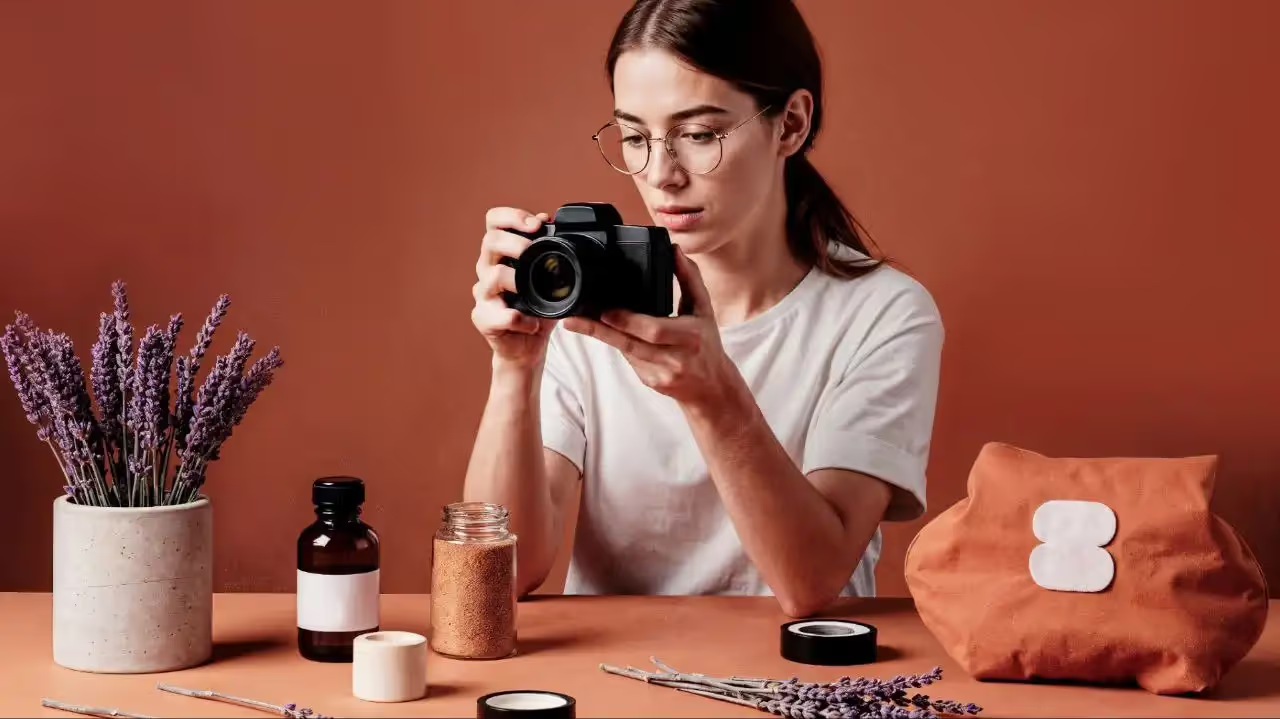
Begin with the clearest product images you can access. Many AliExpress listings already include simple front and side shots that you can download at high resolution, or you can shoot your own if you keep samples in hand.
Upload that base into an AI product image generator or AI photo studio for e-commerce product shots and select a lifestyle or “scene” mode. These tools keep the core product intact while rebuilding the environment, shadows, and props around it, so the final AI-generated lifestyle images still match what your supplier ships.
You will get better results when you avoid low‑resolution or heavily compressed images, since artifacts confuse the model and can lead to warped logos or textures. If you use an AliExpress dropshipping integration, you can often pull higher quality images directly from product feeds before compression on marketplaces.
Design scenes around real use cases
Think through how shoppers actually use each product. Kitchen tools belong near stoves or cutting boards, phone accessories belong near desks or coffee tables, and fashion pieces belong on people in relevant environments like streets, offices, or casual indoor spaces.
Most AI product photography generator platforms let you describe these scenes in plain language or pick from preset templates that already match common environments. You can then adjust prompts for time of day, mood, and prop types while keeping the same base product, which creates families of AI lifestyle images that feel connected.
If you notice strong performance for a certain mood, for example soft natural light and neutral props, you can reuse that pattern for similar products. Tools that function as an AI rich lifestyle photo generator or AI luxury lifestyle photo generator are built for this type of aspirational scene while still keeping a grounded look.
Use AI fashion models when needed
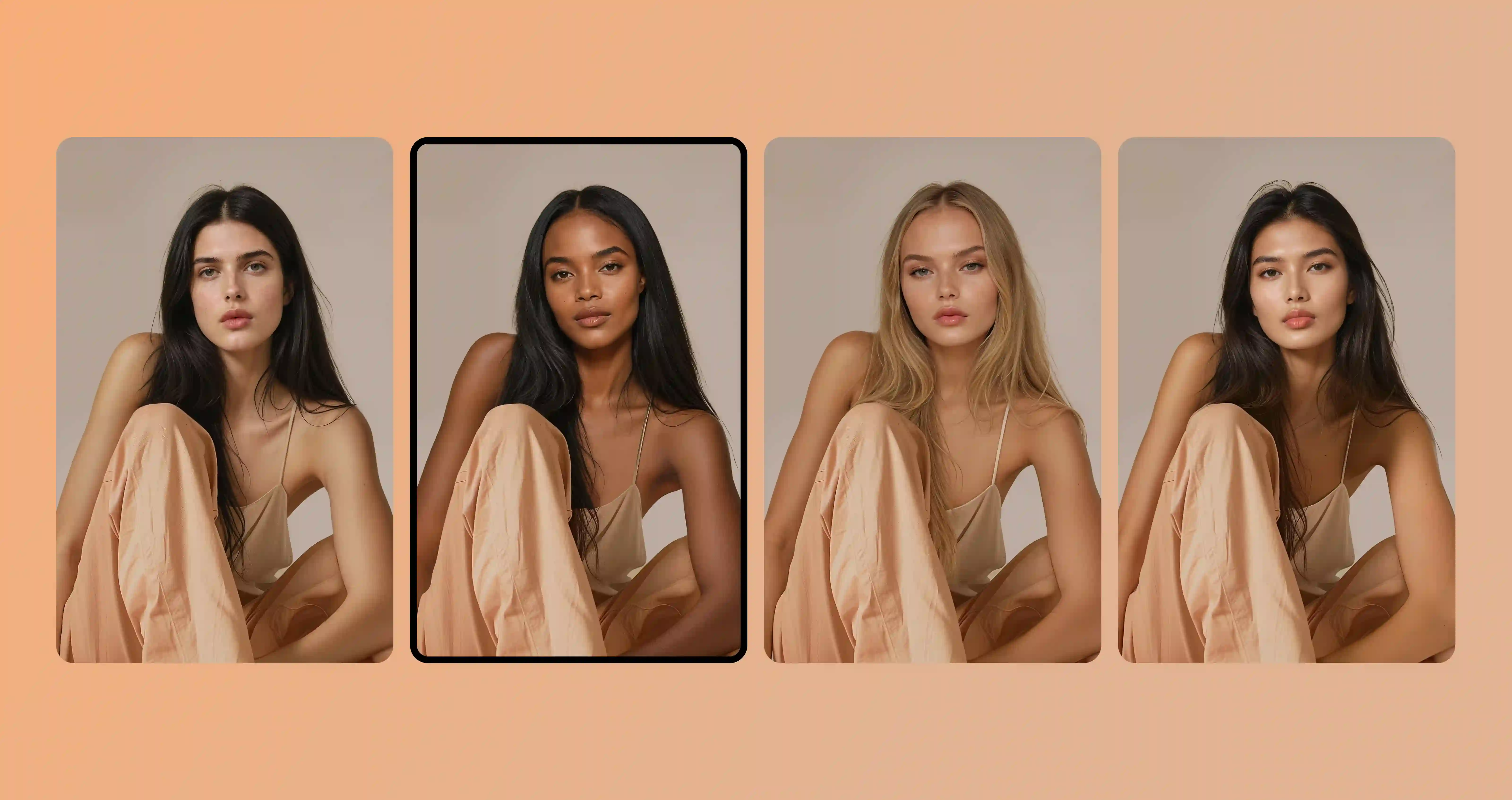
For apparel or accessories, adding people can increase trust because shoppers see fit and scale, not just fabric on a hanger. Claid’s AI Fashion Models, as one example, turns flat‑lay or mannequin shots into on‑model images while preserving prints and logos. Several Shopify apps and standalone tools now offer similar AI fashion models for store owners who want consistency without casting and photo shoots.
You could start with a fashion photo generator for core catalog items, then generate AI lifestyle photos where those models stand in real settings like streets or living rooms. When you do this, keep prompts clear about body types and settings but avoid referencing real celebrities or specific branded stores, since legal experts warn that such prompts bring higher copyright and likeness risks.
Experiment with Gemini, Perplexity, and Other AI tools
Some merchants now plan scenes before they open a visual editor. You can use how to create lifestyle product photography with Gemini queries to outline props, angles, and settings for different product categories based on current visual trends. You then carry that plan into your chosen AI product image generator.
Others research how to generate lifestyle photos with Perplexity AI to gather real examples and case studies, then turn those notes into structured prompt libraries. If you notice certain props or angles show up often in 2026 conversion studies, you can codify those into reusable prompts for future campaigns.
Best Apps that Create Lifestyle Photos with AI for AliExpress Products in 2026
Several AI tools now focus on ecommerce sellers who need fast, consistent AI lifestyle photos instead of generic art outputs. You should check features, pricing, and license terms before committing to one stack.
Claid and similar AI photo studios
Claid positions itself as a studio for realistic AI product photography with strong control over lighting, shadows, and textures so the product still looks like what the buyer unpacks. Its AI Photoshoot feature generates clean catalog shots and AI lifestyle images from one base photo, and the service includes an AI fashion tool that turns ghost mannequin images into on‑model photos.
Because Claid offers API support and batch workflows, it fits stores with many SKUs or agencies that manage multiple catalogs. It also aligns with the idea of an AI photo studio for e-commerce product shots, where you can standardize shadows, backgrounds, and image sizes before publishing across marketplaces.
You can pair such tools with a broader automation stack like Alidrop, which covers product import and store management, while Claid handles image generation and cleanup. That combination matters when you rely on consistent visuals across hundreds of AliExpress‑based listings.
Instant Studio and Shopify focused tools
Instant Studio, covered in several 2026 AI product photography guides, connects tightly with Shopify and supports both clean packshots and AI avatar lifestyle scenes. You upload a basic image, select a background type, write a short prompt, and then generate new AI product photos, including on‑model shots for fashion.
Many merchants use Instant Studio as the best AI to generate lifestyle photos when they want direct store integration and credit based pricing rather than isolated image generators. When combined with an AI Shopify store builder, it gives you a pipeline from product import to AI lifestyle photos to published pages, all within a few connected tools.
Mobile editors, mockup tools, and free tiers
Mobile first tools like Photoroom and similar apps offer fast background removal, templates, and lifestyle presets that you can trigger from a phone. Many now act as a lifestyle photos AI app or lifestyle photos AI online portal, letting you try AI to generate lifestyle photos online free within trial limits or low‑cost plans.
These apps often double as a general AI product image generator for global marketplaces. You could start with trials to validate which visual directions perform well, then move to paid plans once you know your returns on AI lifestyle photos justify the monthly spend.
Good and Bad Image Generation Prompts to Use for Lifestyle Photos
Prompt quality has a direct impact on realism and conversion. 2026 ecommerce case studies consistently show that clear, concrete prompts produce cleaner AI lifestyle photos than vague requests.
Prompts that guide AI toward clear results
Good prompts describe the product, the surface, the environment, and the mood in simple language. A typical pattern is “product on specific surface, type of light, props nearby, camera angle.” Guides on AI product photography suggest staying specific without overloading every sentence with style buzzwords.
If you use an AI rich lifestyle photo generator or AI luxury lifestyle photo generator, you can safely mention room styles like “minimal living room, natural light” or “high end bathroom with marble countertop” as long as you keep the product accurate. You will know a prompt works when you get consistent lighting, correct logos, and clean edges across several images.
Prompts that cause distorted or risky images
Bad prompts either lack detail or cram in unrelated concepts. Short prompts such as “product on table, cinematic” leave the model guessing, which often produces awkward shadows and strange reflections. Extremely long prompts with many clashing styles can also break realism, especially when you mention unrelated genres, locations, and camera effects in one string.
Legal resources also warn against prompts that reference trademarked brands, celebrities, or named photographers, because those outputs may end up too close to copyrighted material. If you need a certain mood, you should describe lighting and props in generic terms instead of tying them to a company or public figure.
Prompt ideas to test by product category
You could map prompt patterns to product categories. Home goods might use phrasing like “on wooden kitchen counter, daylight from side window, fresh herbs nearby,” while beauty items might sit on bathroom sinks with towels and mirrors. Electronics might appear on clean desks next to laptops and notebooks.
When you use AI to generate lifestyle photos, keep one document where you store your best performing prompts along with sample outputs and click through data. Over time, that will turn into your personal library that you can apply across tools, whether you rely on a large AI product photography generator or a lighter mobile app.
Where to Source References for Your Lifestyle Photos?
References give you concrete visual targets so prompts do not drift. They also help you align AI lifestyle photos with real world scenes that shoppers already find believable. You should gather references from multiple places instead of copying a single brand. Legal and design guides both stress that inspiration is fine but direct reuse is risky.
- Study high performing AliExpress listings in your category and look at how top sellers light their products and arrange props. Focus on composition, angles, and color balance instead of copying exact images, since some supplier photos may come from third parties.
- Browse brand sites and social feeds in your niche for real photography that feels close to your shoppers’ lives. Note how they frame hands, faces, or backgrounds, then translate those ideas into neutral prompt language.
- Use mood boards and stock libraries as inspiration for room types, surfaces, and lighting recipes. When you spot a strong frame, list what you notice in words, such as “overhead angle, soft side light, three supporting props,” and reuse that pattern with your own AI lifestyle images.
- Pull products from vetted suppliers so your base images start strong. Directories such as the Alidrop marketplace and lists of best US and EU suppliers help you filter for stores with clear photos and steady ratings. Clean inputs give AI an easier job when you move into lifestyle scenes.
- When you expand beyond AliExpress, draw on Alibaba suppliers or Temu suppliers to widen your product mix without lowering image quality. That way your AI-generated lifestyle images show items that already ship with detailed catalog shots instead of blurry thumbnails.
How to Avoid Copyright Infringement on AI-Generated Lifestyle Photos
Copyright law for AI images in 2026 still centers on human authorship and license terms, not just the tool name. You will need a simple risk plan so AI lifestyle photos stay clear of obvious infringement.
- Budget for commercial licenses from your chosen tools. Many AI product photo platforms charge around 10 to 60 USD per month for small stores and more for higher volumes, and legal experts recommend reading their commercial use clauses closely. That range gives you rights for product pages and ads instead of relying only on hobby tiers.
- Reserve 50 to 300 USD per hero product for replacement images when supplier photos look questionable or include watermarks. This money can cover AI image generation, manual retouching, or small local shoots that you then extend with AI lifestyle photos.
- Keep 200 to 500 USD per year for legal review or training on AI image use. Some brands use that budget for short consultations on new marketplace rules or to check that their AI to generate lifestyle photos workflow matches current guidance.
- Avoid prompts and edits that introduce third party logos, branded packaging, or celebrity likenesses. Many AI copyright reports explain that you remain responsible for those details, even when the platform allows commercial use.
- Store basic records of your process, such as base images, prompt history, and the AI tools you used. That simple trail can support you if marketplaces question whether your AI product photos reuse someone else’s work.
Why Use AI to Make Lifestyle Photos for AliExpress Products?
AI to generate lifestyle photos gives AliExpress based sellers a way to replace generic supplier imagery with scenes that feel local, honest, and tailored to their audience. 2026 product photography guides show how one clean catalog photo can feed an AI product photography generator and return dozens of AI lifestyle photos sized for product pages, ads, and social content without extra studio costs.
When you match those visuals with accurate descriptions from tools like an AI product description writer and steady fulfillment from trusted AliExpress partners, you present a store that looks thoughtful rather than copy pasted. Over time, consistent AI lifestyle images help your brand feel familiar across channels while keeping per image spend low compared with frequent photo shoots.
You can use an AI product description writer side by side with your image tools so that titles and copy stay aligned with what buyers see.
Top AliExpress Suppliers to Source Lifestyle Products From in 2026
AliExpress still serves as a major source of lifestyle friendly products across fashion, beauty, gadgets, and home decor. Your AI lifestyle photos will only land well if the underlying products ship on time and match the visuals.
AliExpress sellers with clear base images
Look for AliExpress stores that already invest in decent photography and accurate descriptions. High order counts, strong star ratings, and photo rich reviews point to more stable experiences for end customers. Those listings also give you stronger base images to feed into an AI product image generator.
You can manage and filter such suppliers through services like Alidrop marketplace, which build curated sets of AliExpress vendors that match common dropshipping needs. Once you connect those products, you can layer AI lifestyle photos on top without changing the underlying logistics.
US and EU suppliers for faster delivery
Many buyers in North America and Europe expect shorter shipping times than standard AliExpress estimates. You could source from vendors with local warehouses or regional hubs so that your AI lifestyle photos align with a smooth delivery experience.
Lists of best US and EU suppliers give you a starting point when you want to filter out long distance shipping. Once those items are in your store, AI lifestyle images help you present them as part of a modern, reliable catalog that does not feel like a random export feed.
Mixing AliExpress with other marketplaces
Some merchants combine AliExpress with Alibaba suppliers or Temu suppliers to widen product choice while keeping control over quality. That mix can work well for AI lifestyle photos because you have more props and complementary items to stage in each scene.
Mistakes to Avoid When Creating AI Lifestyle Photos for Stores
There will always be some trial and error with new tools, but certain mistakes show up repeatedly in 2025 and 2026 AI product photography reviews. You should watch for them early so they do not undercut your brand.
- Over‑editing products until they no longer match reality. When AI changes colors, materials, or scale too much, customers may feel misled once they unpack the product, which raises refund and complaint rates. Compare each AI lifestyle photo against the original image before publishing.
- Ignoring mobile screens when you judge outputs. Many shoppers see your AI lifestyle photos on phones first, and cluttered scenes or tiny products vanish on small displays. Always test images on your own phone to confirm that the product remains the clear focus.
- Relying only on free tools with unclear licenses. Some free lifestyle photos AI online generators limit commercial use or require attribution that does not fit clean product pages. Paid plans with clear rights often cost less than a single small photo shoot and remove many legal doubts.
- Skipping documentation of prompts and tool choices. Without records, you cannot repeat strong AI lifestyle photos when you add similar products later. Keep a simple log that lists which AI product photography generator, prompt, and settings you used for your best performing scenes.
- Treating AI as a full replacement for human judgment. Legal resources stress that you remain responsible for output, especially for logos, faces, and background content. You should still review AI-generated lifestyle images manually before you run large ad budgets on them.
Conclusion
AI lifestyle photos give AliExpress based stores a clear path to more human, believable visuals without constant studio shoots. 2026 product photography guides confirm that realistic AI product photography, backed by clean base images and honest prompts, can raise engagement and reduce confusion for shoppers. If you pair the right AI product photos tools with reliable suppliers and simple, transparent copy, your store looks careful and consistent instead of generic, and that steady visual trust compounds over each new product you add.
AI lifestyle photos for AliExpress products FAQs
How do AI lifestyle photos influence conversion on AliExpress based stores?
Recent 2026 case studies show that AI lifestyle product images can raise click and conversion rates compared with plain white background shots, because shoppers see how items fit into daily life before buying. When you combine realistic AI lifestyle photos with accurate descriptions and on time shipping, that uplift tends to stick instead of fading after a short campaign.
What is the best AI to generate lifestyle photos for AliExpress products?
Many sellers call tools like Claid, Instant Studio, and mobile editors the best AI to generate lifestyle photos because they center on ecommerce use cases, not just art. You should test which AI product photography generator fits your budget, catalog size, and tech stack, since needs differ between small AliExpress driven stores and larger brands.
Can I use AI to generate lifestyle photos online free for commercial stores?
Some platforms let you use AI to generate lifestyle photos online free within trial or limited tiers, but license terms still matter for commercial stores. If you run sustained traffic, upgrade to paid plans that clearly allow ecommerce use so that your AI lifestyle photos do not rely on vague or personal use only clauses.
How do Gemini and Perplexity fit into lifestyle photo workflows?
You can treat how to create lifestyle product photography with Gemini or how to generate lifestyle photos with Perplexity AI as research phases rather than final image steps. Use them to plan scenes, gather examples, and structure prompts, then hand those prompts to a dedicated AI product image generator that outputs high resolution files for product pages and ads.
What kinds of products benefit most from AI lifestyle images?
Case studies highlight strong gains for fashion, beauty, and home decor, especially when you pair AI lifestyle images with on model shots and scenes that feel close to real use. You could start by using a fashion photo generator with AI fashion models for apparel, then extend AI lifestyle photos to gadgets, kitchen tools, and home items once you see steady results.
How do I connect AliExpress sourcing with AI lifestyle tools?
Many merchants use tools like Alidrop to pull products from AliExpress and related suppliers, then apply AI lifestyle photos in separate image apps. You can then schedule regular image refreshes, test new prompts, and keep product pages aligned with seasonal trends without replacing your sourcing workflow.


%201.svg)


.avif)