

You spend hours scrolling AliExpress, TikTok, and ad spy tools, and you keep landing on the same products everyone else is fighting over. Posture correctors. Galaxy projectors. Cheap phone cases. The ad costs eat your margin before you even break even. The real money in 2026 is not chasing viral junk. It is finding a specific niche where customers have a clear, repeated need, and then stocking products that solve that need at a higher price point. The categories below have serious demand, lower competition than the trending list of the week, and enough supplier access to build a real store around. They are not flashy. They work.
Best Dropshipping Products by Niche in 2026
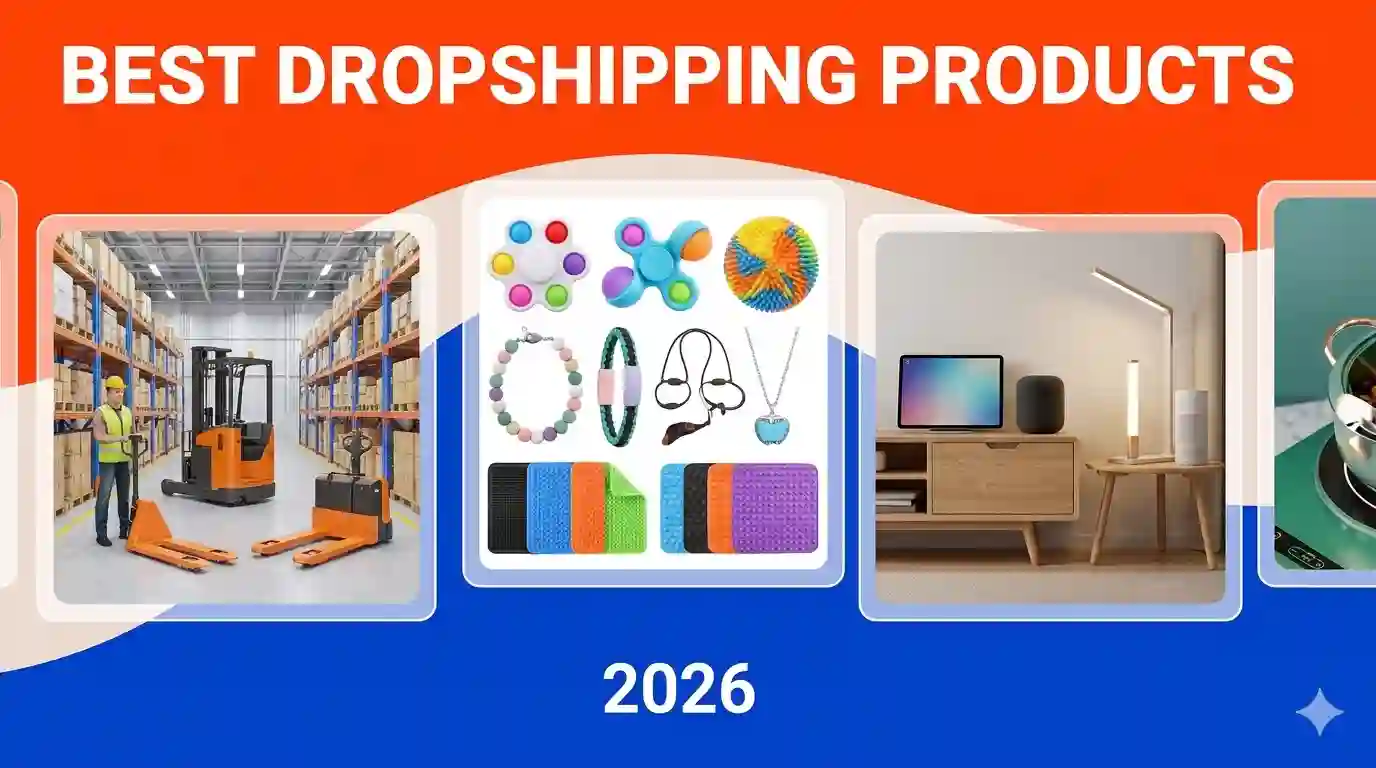
The stores that last do not try to sell everything. They pick a niche, build authority around it, and sell multiple related products to the same customer. Here are some of the strongest niches and the specific product categories inside them that you can source and sell right now.
1. Warehousing Equipment
Every warehouse needs a mountain of gear to store, move, and process inventory. This is a business‑to‑business niche, which means customers place larger orders and repeat them over time. Pallet racks, cantilever racks, industrial shelving, pallet jacks, stretch wrapping machines, conveyors, strapping machines, packing tables, and floor cleaning equipment all fall under this umbrella.
There are well over 40 legitimate suppliers in the US market alone for these categories, yet fewer than 15 serious competitors online. That imbalance means you can get approved with brands, list products, and run Google Shopping ads against thin competition. When you source through a platform that connects you to Alibaba suppliers and bulk wholesalers, you can compare unit costs and shipping options in one place instead of chasing spreadsheets.
2. Metalworking
Metalworking serves both hobbyists in home workshops and large fabrication businesses. The core products are lathes, milling machines, drill presses, hydraulic presses, sandblasting cabinets, and welding machines across multiple types. But the niche expands quickly once you think about everything else in the workshop.
Dust extraction systems, workbenches, tool chests, industrial shelving, and lockers all belong in the same store. A customer buying a welding machine will also need protective equipment, consumables, and storage. You can find trending welding and workshop gear inside the AliDrop marketplace, where products from AliExpress, Temu, and Alibaba are aggregated so you skip the manual search.
3. Personal Property Storage
Homeowners and property managers need storage solutions that hold up outdoors. This niche covers outdoor sheds from small garden units to large flat‑pack structures, garage cabinetry systems that can run past $20,000 per install, vehicle storage lifts, overhead roof storage racks, and heavy‑duty shelving.
The product range makes it easy to sell multiple items in one order. A customer buying a shed might also want a workbench and a storage trunk. The average order value sits comfortably in the thousands. To keep shipping times reasonable, you can tap into best US and EU suppliers that hold stock in domestic warehouses, slashing delivery from weeks to days.
4. Sensory Products
Sensory products cater to children and adults with autism, ADHD, and sensory processing differences. Schools, therapy centers, and families buy items like bubble walls, fiber optic curtains, soft play furniture, sensory tents, tactile mats, sound machines, and sensory pods. The demand is growing as awareness increases.
This niche has the least competition of any on this list. The customer base spans both retail buyers and institutional clients, so order values range from a few hundred dollars for a home item to $50,000 for a full sensory room setup. Repeat orders are common because facilities expand their offerings over time. If you want to target a region like India, you can find reliable Indian dropshipping suppliers here and build a store that serves a local market with faster delivery.
5. Farming and Agriculture
Farms run on expensive equipment that wears out and gets replaced on a schedule. Tractor attachments, skid steer implements, log splitters, sprayers, irrigation pumps, soil moisture sensors, weather stations, cattle crushers, and milking machines are all dropship‑friendly categories.
The average product price easily clears $2,000, and farmers buy from the same suppliers year after year. There are more than a hundred active suppliers in this space across the US, and the competition is fragmented because no single store can cover every sub‑category well. You can start with a narrow focus like tractor attachments and expand into animal handling equipment over time. Sourcing via AliExpress dropshipping and supplementing with domestic wholesalers gives you flexibility while keeping your catalog fresh.
6. Home Appliances
The home appliance market covers a huge range of high‑ticket products. Appliance packages are the most profitable angle: sell a range, refrigerator, dishwasher, and range hood together, and the order value jumps past $10,000. Shipping a package on a pallet also costs less than shipping four separate items.
Standalone categories perform well too. Ranges, mini‑split air conditioning systems, wine coolers, outdoor grills, range hoods, microwaves, HVAC components, freeze dryers, and high‑end espresso machines each support their own niche stores. Margins vary by brand, so you want to test supplier pricing before committing. If you need a quick start, the AI Shopify store builder can generate a complete storefront with a clean layout in under an hour, and the AI product description writer drafts product copy that sounds human. Pair those tools with a few strong appliance brands, and you have a store that competes with big‑box retailers on trust while offering products people search for by name.
7. Outdoor and Patio Equipment
Outdoor living keeps growing. Homeowners invest in outdoor kitchens, pizza ovens, fire pits, patio heaters, and high‑end grills. The ticket prices sit comfortably between $500 and $5,000 per item, with plenty of brands that offer dealer‑direct drop shipping.
The seasonal nature of this niche means you front‑load marketing in spring and early summer. However, products like patio heaters and outdoor fireplaces extend the selling window into fall and winter. If you have already found a reliable network of suppliers through a platform like Alidrop, adding outdoor items to an existing home goods store is a natural expansion. You can also cross‑sell with the personal property storage niche, offering sheds and outdoor storage alongside the equipment that goes in them.
8. Grocery and Specialty Food
Grocery dropshipping is not the first thing that comes to mind, but shelf‑stable specialty foods, organic snacks, coffee, tea, and dietary supplements work well. The margins are thinner per unit, but repeat purchase rates are far higher than in typical dropshipping. A customer who buys a box of protein bars once a month is worth more over a year than a one‑time gadget buyer.
Supplier access used to be the bottleneck, but there are now dedicated programs that connect dropshippers to food brands. If you want to explore this space, you can check this list of top grocery dropshipping suppliers to see which brands offer direct fulfillment. The key is picking a sub‑category where you can build a subscription‑style model without managing cold storage or perishable inventory.
9. Office and Commercial Equipment
Businesses constantly replace and upgrade office equipment. Standing desks, ergonomic chairs, conference room displays, shredders, laminators, and commercial coffee machines all sell consistently. The B2B angle means you can negotiate volume pricing and land recurring orders from companies that outfit multiple locations.
This niche benefits from the same supplier‑vetting logic as warehousing equipment. You look for manufacturers that offer dealer programs, list their products at MAP pricing, and handle fulfillment directly. The AliDrop marketplace can surface trending office products, and if you want faster fulfillment, sourcing from best US and EU suppliers keeps delivery times competitive with Amazon.
10. Furniture and Interior
People are spending more time at home and they want spaces that actually feel like theirs. The furniture niche is huge but most dropshippers mess it up by trying to sell bulky sofas or massive dining tables that cost a fortune to ship. The smart play is compact, lightweight items with high perceived value.
Modular wall shelf systems are killing it right now. They solve the problem of cluttered walls and people love that they don't need to drill a million holes. Wireless LED mirrors are another winner because they combine function with that fancy hotel vibe everyone wants. Adjustable laptop stands that actually look good on a desk sell like crazy too, especially with so many people still working hybrid. Folding side tables are perfect for small apartments and the macrame wall decoration kits tap into that DIY obsession that isn't going anywhere.
The content angle here is all about transformation. Before and after shots of a boring room turning into something cozy or minimalist. Time-lapse videos of someone putting together a shelf system or decorating a wall. TikTok and Instagram Reels eat this stuff up because it's visually satisfying and people love imagining their own space looking better.
11. Outdoor Furniture and Garden
Your outdoor space is basically another room now. People want their patios, balconies, and gardens to feel like an extension of their home. Folding hammocks with stands are popular because you don't need trees to set them up. Solar garden lighting with unique designs sells itself because it's sustainable, requires zero installation, and transforms a boring garden into something magical at night.
Vertical planters are huge for people with small spaces who still want greenery. Inflatable lounge sets that look premium but cost way less than traditional patio furniture are flying off shelves. Birdhouses with cameras tap into the nature observation trend and people love watching live feeds of birds nesting in their own yard.
Timing matters a ton here. You need to start pushing this stuff in late winter or early spring. March through July is your sweet spot. Show people living their best summer life with BBQs, kids playing, golden hour lighting. Make them feel like they're missing out if they don't have your products in their outdoor space.
12. Electronics and Gadgets
This is the most competitive niche out there but also the most profitable if you're smart about it. The key is not selling generic junk everyone else has. Focus on gadgets that actually solve a specific problem.
Wireless car organizers with USB ports are hot because cars have become mobile workstations and nobody likes cable clutter. Magnetic phone mounts that work in the car, on your desk, and by your bed are versatile enough that people buy them for multiple uses. Mini projectors that are portable make home cinema accessible to people who can't afford giant TVs. Smart ring fitness trackers offer a discreet alternative to bulky smartwatches. And noise-canceling earplugs at budget prices are perfect for anyone working from home with kids or noisy neighbors.
Your content needs to show these gadgets in action. Don't just tell people what they do. Film yourself using them in real situations. Test that earplug in a busy coffee shop. Show that projector set up in a backyard for movie night. People need to see the problem being solved, not just hear about it.
13. Home Organization and Cleaning
The Marie Kondo effect is still going strong. People are obsessed with finding clever ways to store stuff and simplify their lives. The best part about this niche? Low return rates and high customer satisfaction.
Under-bed storage boxes that are transparent let people see what they're storing without pulling everything out. Rotating spice racks fix the universal frustration of messy kitchen cabinets. Space-saving clothes hangers can double or triple closet capacity. Cable management systems appeal to the minimalist aesthetic everyone wants for their desk. Modular drawer dividers adapt to any drawer and make junk drawers actually functional.
The content strategy here is all about satisfaction. ASMR-style videos of organizing messy spaces. Before and after shots that are almost therapeutic to watch. The #CleanTok community is massive and they eat this content up. Make it satisfying and people will share it.
14. Products for Babies and Parents
This niche needs extra care because you're dealing with products for children. Don't make medical claims you can't back up. Focus on convenience and safety instead.
Portable changing bags that keep everything organized are lifesavers for parents on the go. Flexible baby monitor attachments that work in any room without installing new hardware sell well because parents want to monitor their kids in different spaces. Adjustable baby safety gates that grow with the child are smart investments parents appreciate. Silicone bibs with collection trays mean less laundry and less mess. Portable rechargeable night lights make those late-night feedings easier without waking the baby with bright overhead lights.
User-generated content works best here. Real parents showing real situations. Not polished studio ads. Honest testimonials from other parents who've been through the same struggles. Show a messy meal time versus a clean floor with the bib. Show a dark nursery with a soft night light versus blinding overhead lights.
How to Test These Products Without Burning Cash?
You have a list of potential products now. But how do you know which ones will actually work for you? Most dropshippers just pick something random, throw money at ads, and wonder why nothing sells. Here's a better wayL
1. Create 3 different ad variants for the same product
First ad focuses on the problem. Like "Don't you hate it when your desk looks like a spaghetti junction of cables?" Second ad shows a before and after transformation. Strong visuals, minimal text. Third ad shows the product in an ideal lifestyle setting. Make people aspirational.
2. Run each ad with a small daily budget for 3 days
Like $10-15 per day per ad. That's maybe $100 total to test. Then build one solid landing page for that product. Don't just send people to your general store homepage. That kills conversions. Your landing page needs a clear hero section showing the product in use. Then explain the problem it solves. Add some social proof like reviews or photos from real customers. Include clear specs and dimensions. Answer common objections about shipping, quality, and returns. Create a sense of urgency with limited stock or a temporary discount.
3. After 3 days, look at your metrics
If your click-through rate is above 2%, your ad is getting attention. If your landing page conversion is above 1.5%, the product has potential. If your cost per thousand impressions is under $10, your targeting is decent. If your return on ad spend is above 2.5x, scale it immediately. If it's between 1.5x and 2.5x, optimize and retest. If it's below 1.5x, stop or try a completely different angle.
When you find a winner, increase your budget gradually. Maybe 20% per day. Create lookalike audiences of people who bought. Test different landing page variations. Expand to other platforms if you're only on one.
Common Mistakes That Will Kill Your Store Before You Start
Avoid these mistakes at all costs:
- Ignoring saturation is the biggest mistake. Just because a product is trending doesn't mean you should sell it. Check if fifty other stores are already selling the same thing with the same creative approach. If they are, you're competing on price and that never ends well.
- Underestimating shipping time is another killer. Products from China with three to four week shipping times have higher return rates and worse reviews. Your customers expect Amazon speed now. Find EU or US suppliers who can deliver in days, not weeks.
- Setting margins too low is bad. At price points below twenty dollars, it's hard to advertise profitably. Focus on products with at least fifteen dollars in gross margin. Better yet, aim for products where the margin covers your ad costs and still leaves room for profit.
- Not having a unique positioning is subtle but deadly. Don't sell just any LED bulb. Sell the only bulb that respects your circadian rhythm. Don't sell just any water bottle. Sell the one that keeps your water cold for forty-eight hours. Positioning defines your market space. Get it right and you don't have to compete on price.
Conclusion
Picking a niche and sticking with it separates the stores that survive from the ones that chase every new trend. These categories have enough depth to build a real catalog, enough margin to cover ads, and enough supplier access to scale. The tools to source and automate are ready. If you want to stop guessing and start building, Alidrop gives you the marketplace, the supplier connections, and the store‑building AI to turn a niche idea into a working store.
Best Dropshipping Products by Niche (2026) FAQs
How do I know if a niche is profitable for dropshipping?
Look for niches where customers buy multiple related products, average order values clear $200 or more, and at least a few dedicated stores are already operating. Check that brands offer dealer‑direct shipping and that the niche is not dominated by one retailer.
Can I dropship high‑ticket products without a huge ad budget?
Yes. High‑ticket products often need fewer sales to hit profit goals. Instead of broad social ads, use Google Shopping to target people already searching for specific product names or model numbers. This captures intent and lowers wasted spend.
Should I start with a general store or a niche store?
A niche store almost always performs better for new sellers. It builds trust faster, improves conversion rates, and makes your advertising messaging simpler. You can always expand into adjacent categories once the first niche is profitable.
How do I find suppliers for these niche products?
Start by researching competitor stores to see which brands they carry. Then contact those brands directly through their dealer inquiry forms. Tools like the Alidrop marketplace also aggregate products from AliExpress, Alibaba, and Temu so you can compare options quickly.
What if a niche I pick has some competition already?
Some competition is good. It proves demand exists. Your job is to differentiate on customer experience: better product data, faster shipping, phone support, or educational content. In high‑ticket niches, buyers often choose the store that feels most trustworthy, not the cheapest.
Is it better to focus on B2B or retail customers?
B2B customers tend to place larger repeat orders and are less likely to file chargebacks. However, retail customers can generate faster initial sales. Niches like sensory products and metalworking let you serve both with the same store, giving you the best of both worlds.


%201.svg)