

One dropshipping store is a side hustle. Two or three is a real business. But the moment you try to run multiple stores, chaos creeps in. You're logging in and out of different Shopify accounts. You're importing the same product into three stores manually. You're cross-eyed from copy-pasting tracking numbers. That's where most people give up and shrink back to a single store, leaving money on the table.
But there's a tool that lets you run several stores from a single dashboard, automate the boring stuff, and actually keep your sanity. It's AliDrop. And if you've ever wondered whether running multiple stores is even possible without a full team, the answer is yes—but only if you set it up right. Here's exactly how to do it.
Why Run Multiple Dropshipping Stores?
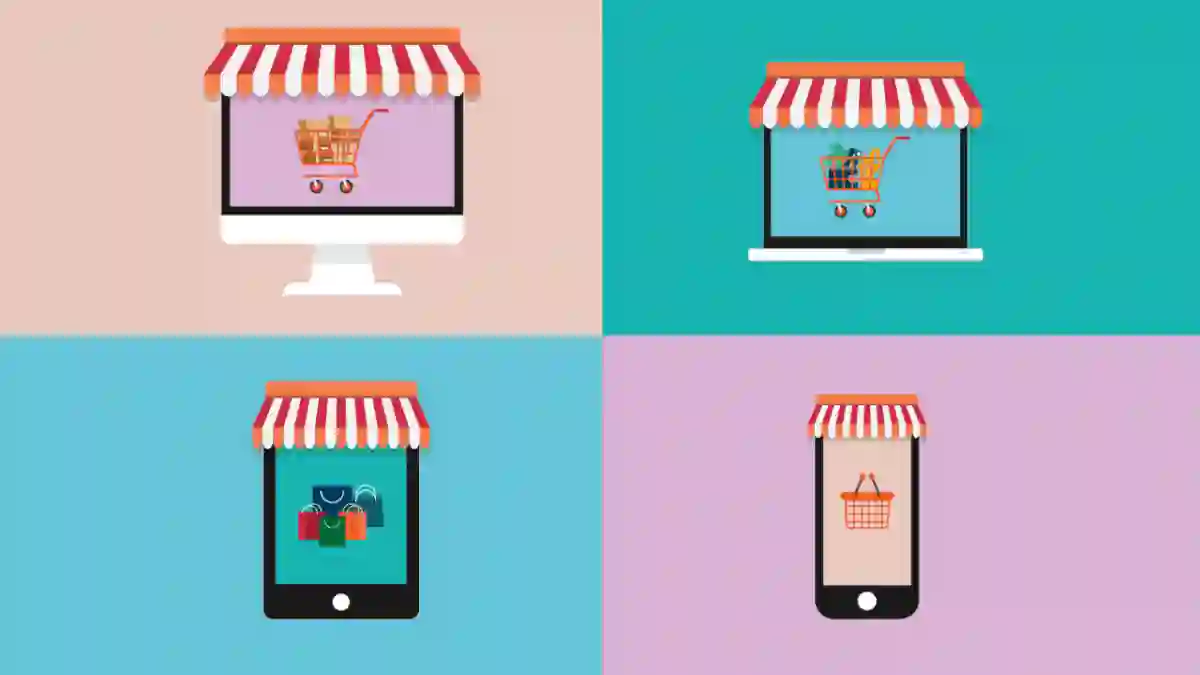
Here are some reasons why you should try running multiple dropshipping stores using Alidrop:
1. One store can only serve one audience
You might have a winning product in the pet niche, but you also spot a great opportunity in home office gadgets. If you cram both into a general store, your branding gets muddy and customers don't trust you. Separate stores let you build distinct brands, each with a focused message. That means higher conversion rates and better customer loyalty.
2. Diversification is a reason
Ad accounts get restricted. Suppliers run out of stock. A niche can suddenly dry up. Warren Buffett's quote about not putting all your eggs in one basket applies here. If you have three stores in different markets, one can carry you while the others recover. It's basic business survival.
3. Avoiding the "marrying a product" trap.
When you run a single-product or single-niche store, it's easy to get emotionally attached. You keep throwing money at ads because you believe in the product, even when the data says move on. Multiple stores prevent this. If one isn't working, you shift focus to the others while you figure out what a winning product actually looks like. You stop being married to one idea.
4. Geographic expansion is another reason
Maybe your store is crushing it in Germany—German language, German payment gateways, European suppliers. But you want to tap the French market, the UK, or Australia. You can't just translate the German store and call it a day. Different currencies, different payment systems, different supplier networks. Running a separate store for each market, built from the ground up for that audience, is the smarter play.
The Challenges That Kill Multi-Store Dreams (And How AliDrop Fixes Them)
The creation of multiple stores isn't the hard part—setting up a second Shopify store is the same process as the first. The hard part is coordination. You're now dealing with double the suppliers, double the customer issues, double the payment gateway problems, double the ad accounts. If your first store isn't running smoothly yet and you launch a second, both will suffer. You'll end up with two mediocre stores instead of one good one.
Before AliDrop, running multiple stores meant jumping through hoops.
Each Shopify store needed its own product research, its own order fulfillment routine, its own inventory tracking. You lived in spreadsheets. And Shopify's own solution for multi-store management? That's Shopify Plus, which starts at $2,000 a month. Not exactly accessible for someone scaling from a single store.
AliDrop centralizes everything for a fraction of that. You connect multiple Shopify stores to a single AliDrop account. Businesses using an eBay Etsy integration can further simplify product management across different storefronts and marketplaces. From that dashboard, you can import products to any store, manage orders, and check inventory across all of them. No more logging out and in six times a day. No $2,000 monthly bill.
For product sourcing, the AliDrop marketplace feeds you trending items from AliExpress, Alibaba, and Temu. You can browse once and decide which store each product fits. A pet bed goes to Store A; a posture corrector goes to Store B. The AI product description writer tailors copy for each store's voice, so you're not writing the same thing twice.
When orders come in, AliDrop's live orders tab aggregates them from all connected stores. You see everything in one place, and the automation forwards orders to suppliers, syncs tracking, and updates inventory across the board. That's the heavy lifting handled.
How to Set Up Your First 2 Dropshipping Stores with Alidrop?
Start with your main store already running on AliDrop. If you haven't set one up yet, install the app from the Shopify App Store, connect your AliExpress account, and import a few products. Get comfortable with the dashboard.
Do not start store number two until store number one is running well. Not perfectly. But well. If you're still figuring out why your ads aren't converting on store one, adding another store just multiplies the confusion. Get one machine humming first.
When you're ready for Store #2, go into your AliDrop settings.
Under "Stores" or "Sales Channels," you can add another Shopify store. Authorize it, and now both appear in your dashboard dropdown. Switch between them with one click.
Before you import anything to the new store, use the AI Shopify store builder to spin up a fresh storefront. It'll set up a theme, collections, and basic pages in minutes. You customize the branding—logo, colors, fonts—to match the new niche. Then you go to the AliDrop marketplace, find products that fit the new niche, and push them to Store #2. You now have two live stores, managed from one account, with zero manual order copying.
How to Manage Products Across Multiple Stores Without Duplication Headaches?
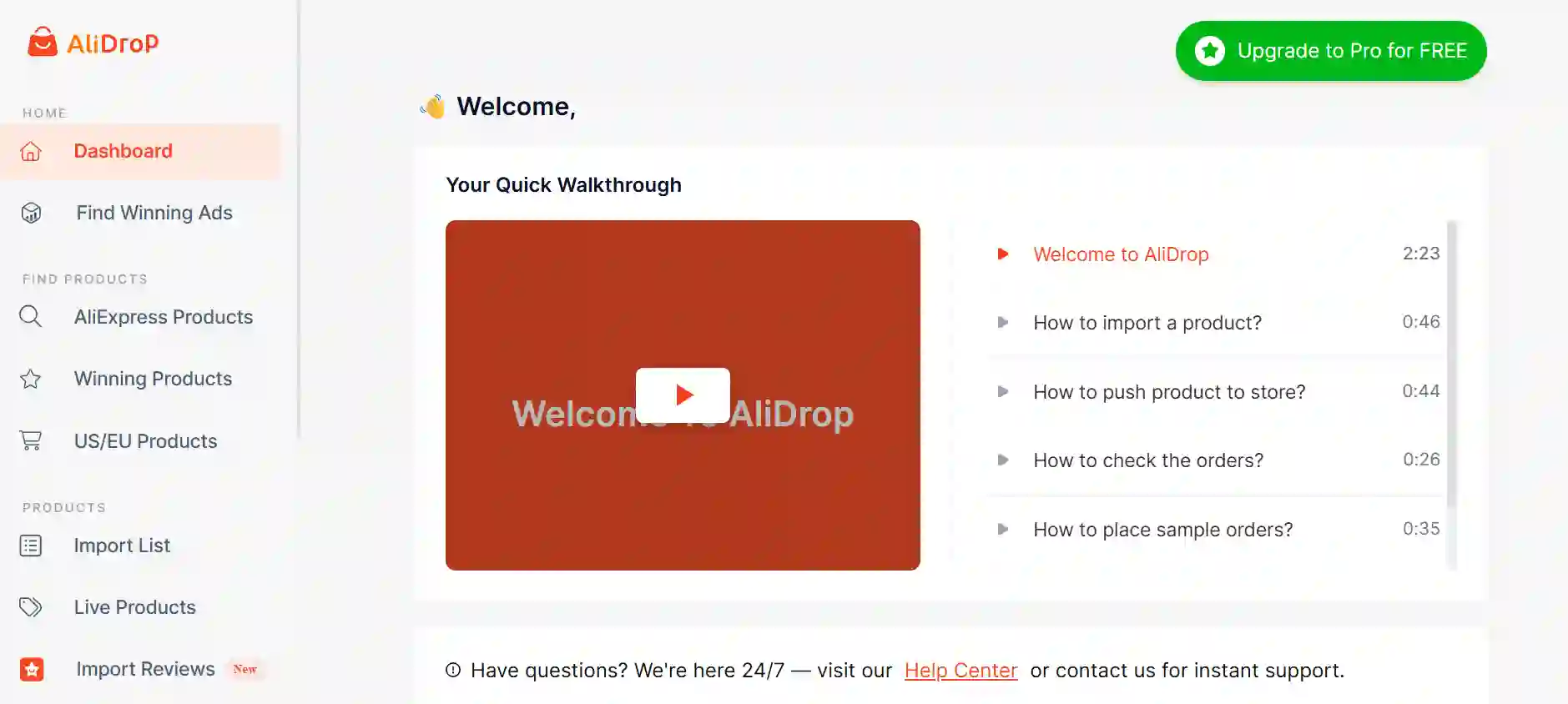
One of the best features is the import list.
You can add products to your import list without assigning them to a store. Later, you decide: push this one to Store A, that one to Store B. If a product works across two stores (like a kitchen gadget for both a home store and a gadget store), you can push it to both. AliDrop keeps the supplier link, so inventory syncs independently per store. You won't oversell.
Pricing rules are per-store, too.
Your pet store might use a 3x multiplier; your luxury home decor store might use a 4x multiplier. Set the rule in each store's settings, and every new import gets the right margin automatically. No manual math.
For descriptions, use the AI writer to generate a base description, then tweak the tone. The pet store copy might be playful; the home decor store copy might be more sophisticated. The AI gives you a starting point, and you add the personality.
Caution on Niches
A word on niches: if your stores are wildly different—say, hiking gear and baby products—the coordination gap is massive. Different audiences, different content styles, different ad strategies. It's doable, but it demands more mental bandwidth. If you're just starting with multi-store, pick niches that are adjacent. Home decor and kitchen gadgets overlap more than fitness and pet toys. Adjacent niches let you reuse some research and creative concepts.
Fulfillment on Autopilot Means You're Not a Packing Mule
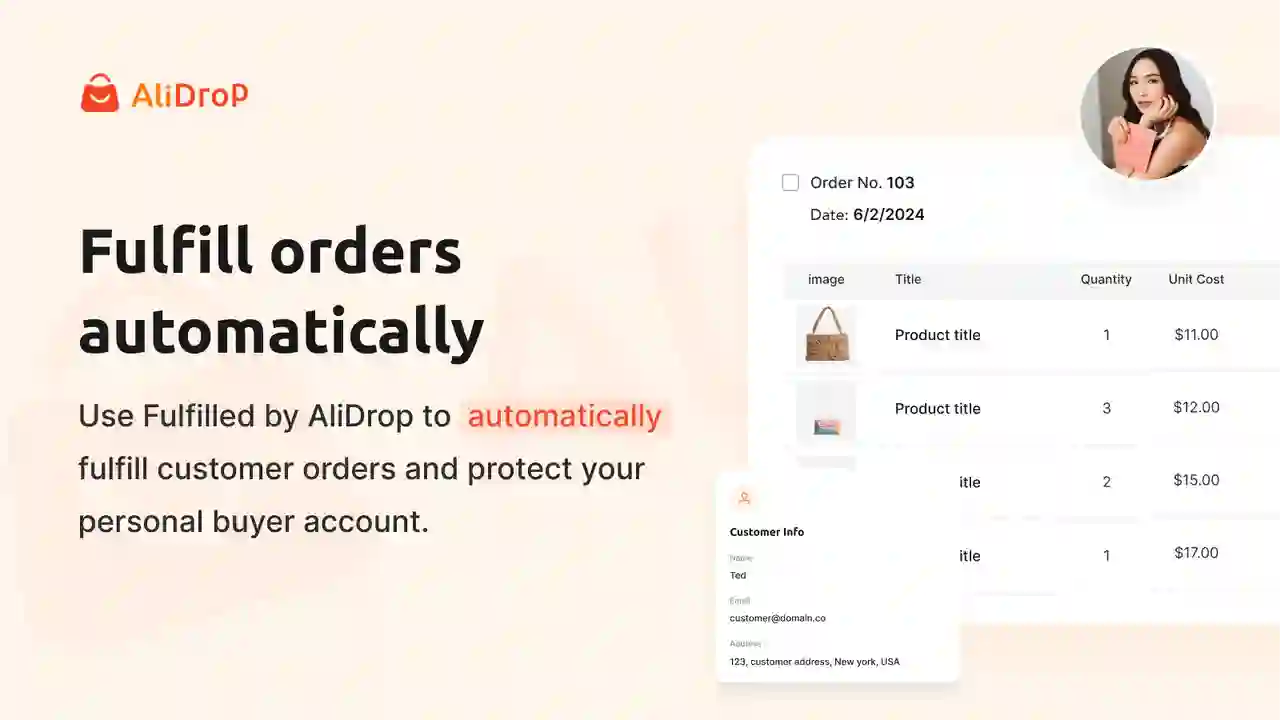
When orders roll in from both stores, they land in the same Live Orders tab. You can filter by store if you want to see just one, but the default view shows everything. AliDrop forwards the order to the correct supplier automatically. Tracking comes back, gets pushed to the right Shopify store, and the customer gets notified. You don't touch anything.
If a supplier runs out of stock on a popular item, AliDrop's inventory automation can set the product to draft or zero quantity across all stores that carry it. That prevents the nightmare of a customer buying something that no longer exists.
You can also tap into US and EU suppliers for some products to get faster shipping. Maybe your main store uses AliExpress, but for your premium store, you want items that ship from a US warehouse. AliDrop lets you mix sources per store.
Expanding to Different Countries the Smart Way
If your German store is working, don't just copy it into English and call it a UK store. Each market needs its own setup. Different currencies, different payment gateways (the UK uses Pounds, Australia uses Australian dollars), different suppliers with faster local shipping. The store should feel native to that market—written in the local language, with local social proof, and payment methods people actually use.
AliDrop makes this easier because you can connect stores targeting different countries to the same dashboard. The product importing and order automation work the same way. You just select the right store from the dropdown when you push products. The AI tools can help you generate descriptions in different languages, though you'll want a native speaker to review them before going live.
Scaling Beyond 2 Dropshipping Stores: When and How?
Once you've got two stores running smoothly, adding a third is trivial on the technical side. The setup is the same: new Shopify store, AI builder for the storefront, import products. The real work is marketing—running ads, creating content, building an audience. AliDrop doesn't do that part, but it frees up your time so you can focus on growth instead of operations.
For sourcing, you'll want to diversify suppliers as you scale. AliDrop connects you to not just AliExpress, but also Alibaba suppliers for bulk pricing and Temu suppliers for trending items. If you're targeting India, you can even find Indian dropshipping suppliers for local fulfillment. The wider your supplier net, the more unique products you can offer across your store portfolio.
Consider the AliDrop plan you're on. The Starter plan supports one store. Professional allows up to three. Empire and Unicorn plans let you connect multiple stores (Unicorn is unlimited). As your portfolio grows, you'll want to upgrade to keep everything under one roof. The annual billing saves you a chunk, and the time saved easily justifies the cost—especially compared to Shopify Plus at $2,000 a month.
Common Multi-Store Mistakes That'll Tank Your Business
Avoid these traps:
- Starting store two before store one is profitable. This is the deadly mistake. If you can't run one store well, two won't save you. Get one working first.
- Using the same brand voice across all stores. If your stores look and sound identical, customers will think you're a spammy dropshipper. Give each store its own identity.
- Overlapping products too much. If Store A and Store B sell 80% of the same items, you're competing against yourself. Keep overlap minimal, maybe 10-20%.
- Neglecting customer support for one store. All stores need quick responses. Use a helpdesk like Freshdesk or Gorgias that can pull emails from multiple Shopify stores into one dashboard.
- Not tracking profit per store separately. Use an app like TrueProfit or BeProfit to see which store is actually making money. Don't blend finances.
- Trying to scale too fast. Master one store, then add another. Don't open five at once; you'll burn out and all five will be mediocre.
- Getting married to a failing product or store. If the data says it's not working after you've tested and adjusted, shift your energy elsewhere. The other stores in your portfolio are your safety net.
Conclusion
Without AliDrop, your regular day can turn into hours of copy-pasting orders into AliExpress, updating inventory manually, and switching between multiple Shopify accounts. Alidrop’ automation lets you run multiple stores as a business, not a frantic side gig.
Running multiple dropshipping stores is how serious operators scale. But it only works if you've got the coordination under control. AliDrop's multi-store support, combined with the AI store builder and unified order dashboard, makes it possible without a team and without the $2,000 Shopify Plus price tag. If you're ready to stop fiddling with single-store limits, AliDrop has the plans and features to get you there. Start with the free trial, connect your first store, get it profitable, and then add the next. The infrastructure is built for it.
How to Run Multiple Dropshipping Stores Using Alidrop FAQs
How many Shopify stores can I connect to one AliDrop account?
It depends on your plan. The Starter plan supports one store, Professional supports up to three stores, Empire supports several, and Unicorn allows unlimited stores. Check the pricing page for exact limits.
Can I import the same product to multiple stores at once?
Yes. In your import list, you can push a product to one store, then select another store and push it again. Inventory and pricing can be set independently per store.
Do I need separate AliExpress accounts for each store?
No. You connect your AliExpress account once, and AliDrop uses it for all stores. Order fulfillment and tracking sync correctly per store.
Will AI-generated product descriptions sound different for each store?
You can customize the tone by editing the AI output. The base description is a starting point. Changing the voice to match each store's brand takes only a few minutes per product.
What if a supplier runs out of stock on an item I sell in three stores?
AliDrop's inventory automation will set the product to draft or zero quantity in all stores that carry it, preventing overselling. You can then find an alternative supplier and switch without manually updating each store.
Can I use different pricing rules for different dropshipping stores?
Yes. Each connected store has its own pricing settings. You can set a 3x markup for one store and a 4x for another, and those rules apply automatically when you push products.


%201.svg)