

Is dropshipping legal? If you’re thinking about starting an online store, this is probably the first question on your mind. The good news is that dropshipping is legal, and it’s also a legitimate way to run an online business—as long as you follow the right rules. Many new entrepreneurs worry about whether dropshipping is legit, whether it’s allowed in their country, or if selling products without holding inventory can get them into trouble. The truth is simple: dropshipping becomes risky only when you ignore consumer laws, sell copyrighted products, or work with unreliable suppliers.
In this guide, you’ll learn how dropshipping works legally, what regulations you must follow, and how to run a safe, compliant, and trustworthy business without facing legal issues.
What is Dropshipping?
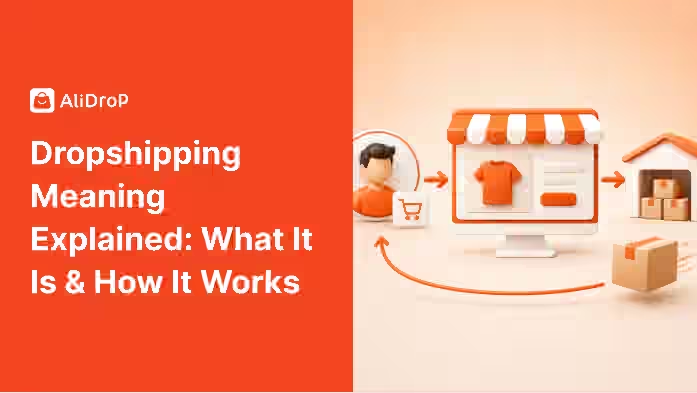
Dropshipping is a business model where you sell products online without keeping any inventory. Instead of storing or shipping items yourself, you work with a supplier who fulfills the order directly to your customer. You focus on marketing, product research, and customer support, while the supplier handles packing, storage, and delivery. This makes dropshipping one of the easiest and most affordable ways to start an online business. Because you don’t need warehouses or bulk stock, it’s accessible for beginners who want to launch a store with low upfront investment.
.avif)
What Does “Legal” Mean in Dropshipping?
Understanding the legal side of dropshipping is important for anyone who wants to build a long-term, trustworthy business.
Legality vs. Legitimacy
Legality refers to whether the business model follows the laws of your country—consumer protection rules, tax regulations, and product compliance.
Legitimacy, on the other hand, is about running your store in a transparent and ethical way. A dropshipping store can be legal but still feel “shady” if it misleads customers.
Clearing Common Misconceptions
Many beginners hear myths like “dropshipping is a scam” or “dropshipping is illegal.” These come from stories of stores selling fake products, hiding long shipping times, or misleading customers. The model isn’t the problem—unethical practices are.
The Legal Foundation of Dropshipping
Dropshipping is legal because it follows a simple, accepted retail model: you sell a product, a supplier fulfills it, and customers receive what they paid for. This is no different from major retailers using third-party fulfillment. As long as you sell genuine products, follow consumer protection laws, and provide honest information, your dropshipping business operates fully within legal boundaries.
Is Dropshipping Legal?
Yes, dropshipping is legal, and it is recognized worldwide as a safe and legitimate business model. The legality comes from the fact that you’re simply reselling products, while a supplier handles the shipping. This is no different from retail stores using third-party warehouses or fulfillment centers. As long as you follow dropshipping laws, consumer protection rules, and tax regulations, you have nothing to worry about.
Dropshipping only becomes illegal when a seller violates key regulations—such as selling counterfeit items, using copyrighted content, misleading customers about shipping times, avoiding taxes, or ignoring import laws for dropshipping. These actions can create serious legal issues in dropshipping.
There’s also a difference between legal and ethical practices. A store may technically be legal but still operate unethically—like hiding fees, offering no return and refund policy, or using fake reviews. A truly legitimate dropshipping business stays transparent, uses safe dropshipping suppliers, and follows clear terms and conditions to protect customers.
Is Dropshipping Legit as a Business Model?
Yes, dropshipping is legit, and millions of entrepreneurs use it to build profitable online stores. It becomes legitimate when you follow compliance rules, offer honest product descriptions, and work with suppliers known for supplier reliability.
A trustworthy dropshipping store usually has:
- Clear return and refund policies
- Upfront shipping information
- Genuine customer reviews
- Legal product images and descriptions
- Secure payment gateways
- Transparent communication
These elements help you run a legit dropshipping store that customers trust.
Even major brands use similar fulfillment models. Companies like Amazon, Wayfair, and Walmart rely on third-party suppliers and do not store every product themselves. This shows that the legality of dropshipping is built on the same foundation as mainstream retail—selling first, fulfilling later.
When done right, dropshipping is not only legal—it is a fully legitimate and scalable business model used by both small businesses and global eCommerce leaders.
Laws and Regulations That Affect Dropshipping
Understanding the laws that govern dropshipping is essential if you want to run a fully legal and compliant business. While the model itself is legal, certain regulations guide how you sell, advertise, ship, and manage customer data. Following these rules helps you avoid disputes, payment freezes, and legal trouble.
Consumer Protection Laws
These laws ensure that customers receive the product they paid for, in the condition promised. You must provide accurate product descriptions, share realistic shipping times, and offer a functional return and refund policy. Failing to meet these basic expectations can lead to chargebacks, complaints, or penalties.
eCommerce and Online Business Laws
Most countries require online businesses to disclose terms and conditions, privacy policies, and contact information. You may also need to comply with GDPR, CCPA, or other data-protection regulations if you collect customer data. Running your store transparently builds trust and keeps your business safe.
Copyright and Trademark Laws
Selling products that violate copyrights or trademarks is illegal. This includes branded items, replica products, or using copyrighted images and videos without permission. Sticking to generic, non-branded items protects you from lawsuits and account bans.
Import and Customs Regulations
Even though you aren’t shipping products yourself, you must ensure your suppliers follow import laws in the destination country. Items must be legal, safe, and properly declared. Products with restricted materials or missing certifications may be seized at customs.
Payment Processor Rules (PayPal, Stripe, Shopify Payments)
Payment processors have strict rules for dropshipping businesses. They require honest marketing, fast dispute resolution, and reliable fulfillment. High refund rates or misleading practices can trigger account freezes or rolling reserves.
Tax Laws: Sales Tax, VAT, GST, State Taxes
Taxes depend on where you operate and where you sell. You may need to collect sales tax, VAT, or GST, depending on local laws. Registering your business, filing taxes on time, and maintaining proper bookkeeping keeps your dropshipping business fully legal.
When Dropshipping Becomes Illegal
Dropshipping becomes illegal only when sellers break established laws. The model itself is safe and allowed—but certain behaviors can lead to fines, bans, or legal action.
Selling Counterfeit Goods
Selling fake branded products is one of the fastest ways to get banned or sued. Counterfeit goods violate trademark laws and can result in severe penalties. Always stick to genuine, non-branded products from trusted suppliers.
Using Copyrighted or Trademarked Content
Using branded logos, copyrighted photos, or licensed characters without permission is illegal. This includes using stock photos you didn’t buy, product images copied from other websites, or videos taken from social media.
Misrepresenting Product Quality or Shipping Times
If customers receive items that are very different from what you advertised—or you hide long shipping times—you may violate consumer protection laws. Transparency keeps your business compliant and reduces chargebacks.
Fake Reviews or Deceptive Marketing
Posting fake testimonials, manipulating social proof, or using misleading advertising claims is illegal and considered deceptive marketing. Payment processors and ad platforms can ban your account for this.
Avoiding Taxes or Not Registering a Business
Dropshipping is still a business, and businesses must follow tax and registration rules. Operating without declaring taxes, hiding revenue, or failing to register when required can lead to legal consequences.
Legal Requirements to Run a Dropshipping Business
To operate a fully legal and trustworthy dropshipping business, you must follow certain regulations. These requirements protect your customers, keep your business compliant, and help you avoid penalties, payment holds, or legal disputes.
Business Registration (LLC vs Sole Proprietorship)
While you can start dropshipping without forming a company, registering your business offers important legal protection. Many sellers choose an LLC because it separates personal and business liability. A sole proprietorship is faster and simpler but does not provide the same level of protection. Pick the option that aligns with your long-term goals.
Getting an EIN or Tax ID
An Employer Identification Number (EIN) or Tax ID identifies your business for tax purposes. You’ll need it for opening business bank accounts, working with certain suppliers, and filing taxes. It also makes your business look more credible and professional.
Creating a Refund and Return Policy
Every dropshipping store must have a clear return and refund policy. This keeps you compliant with consumer protection laws and helps customers understand their rights. A transparent policy reduces chargebacks and sets clear expectations for processing returns.
Writing a Legally-Compliant Privacy Policy
A privacy policy explains how you collect, use, and protect customer data. If you gather emails, payment information, or browsing activity, you must provide a compliant privacy policy. Many countries legally require this for all eCommerce websites. Writing legally compliant policies can feel overwhelming for new sellers. Many entrepreneurs rely on tools, templates, or virtual legal assistants to help draft privacy policies, terms and conditions, and refund policies that align with local regulations.
Setting Up Terms and Conditions
Your Terms and Conditions document outlines your rules regarding shipping, cancellations, warranties, product use, and dispute resolution. This protects your business from conflicts and helps prevent fraudulent claims.
Using Legal Product Images and Videos
Only use product images, logos, or videos that you own or are licensed to use. Copying copyrighted content from suppliers or other sellers can result in takedown notices or legal issues. Always choose suppliers who offer usable, legal media.
Complying with GDPR, CCPA, and Cookie Policies
If you sell to customers in the EU, UK, or California, you must follow GDPR and CCPA rules. These laws require you to get consent before collecting data, allow customers to request data deletion, and include cookie notices. Compliance keeps your store legally safe and trustworthy.
How to Avoid Legal Problems in Dropshipping
Most legal issues in dropshipping can be avoided with simple best practices. The key is transparency, honest marketing, and using reliable suppliers who follow product and import laws.
Work Only with Authentic and Verified Suppliers
A legal dropshipping business starts with proper sourcing. Choose suppliers who sell genuine products, provide tracking numbers, and follow import regulations. This helps prevent issues like counterfeit products or shipment delays.
Avoid Branded or Copyrighted Products (Unless Licensed)
Do not sell branded items, replicas, or products featuring copyrighted characters unless you have official permission. Stick to generic, non-branded items to stay fully compliant with copyright and trademark laws.
Be Transparent About Shipping Times
Honesty about delivery timeframes is essential. Customers must know how long their orders will take to arrive. Transparency prevents chargebacks, disputes, and violations of consumer protection regulations.
Declare Taxes Properly
Every country has its own tax rules for online sellers. Register your business if required, collect sales tax or VAT where applicable, and file taxes on time. Proper tax handling keeps your dropshipping business completely legal.
Maintain Accurate Product Descriptions
Only use realistic, honest product descriptions. Use an AI product description generator, avoid exaggerations, misleading claims, or incomplete information. Providing accurate details reduces complaints and strengthens your store’s credibility.
Have Secure Payment Gateways
Use trusted payment processors like Stripe, PayPal, or Shopify Payments. Secure gateways protect customer data, prevent fraud, and keep your store compliant with online transaction rules.
Country-Wise Legality: Is Dropshipping Legal Worldwide?
Dropshipping is legal in most parts of the world, but the specific rules vary depending on local business, tax, and consumer laws. As long as you follow these regulations and work with authentic suppliers, you can run a fully compliant dropshipping business almost anywhere.
United States
Dropshipping is completely legal in the U.S. You must comply with consumer protection laws, sales tax rules, and state regulations. Selling counterfeit products or misleading customers can lead to severe penalties, but the business model itself is widely accepted.
Canada
Canada allows dropshipping, but businesses must follow federal and provincial tax requirements. You may need to register for GST/HST depending on your revenue. Transparency about shipping times is especially important due to longer delivery routes.
United Kingdom
Dropshipping is legal in the UK and regulated by consumer law, data protection (GDPR), and fair trading rules. Businesses may need to register with HMRC and follow VAT regulations when selling locally or internationally.
European Union
The EU permits dropshipping but has strict consumer rights and privacy regulations. You must comply with GDPR, offer clear return policies, and follow product safety rules. Non-compliance can lead to fines, even for small businesses.
Australia
Dropshipping is legal in Australia, regulated primarily by the Australian Competition and Consumer Commission (ACCC). Clear product descriptions, transparent delivery timelines, and GST compliance are essential.
UAE & Middle East
Dropshipping is allowed in the UAE and several Middle Eastern countries, but business licensing requirements can vary. Some regions require eCommerce permits, while others allow smaller sellers to operate without one. Always check the rules for your specific Emirate or country.
India & Asia
Most Asian countries—including India—allow dropshipping. The main regulations involve import laws, customs duties, and GST compliance. Some marketplaces have strict policies on product authenticity, so working with reliable suppliers is crucial.
Overall Note: Dropshipping is legal worldwide, as long as you follow the local laws related to taxes, consumer rights, product regulations, and data protection.
Legal Risks in Dropshipping and How to Minimize Them
Every business model has risks, and dropshipping is no different. The good news is that most issues can be prevented by using reliable suppliers, being transparent, and following ethical practices.
Chargebacks and Payment Freezes
Chargebacks occur when customers dispute a payment. Too many disputes can cause PayPal, Stripe, or other payment processors to freeze your funds. You can reduce chargebacks by providing accurate tracking, clear shipping times, and fast customer support.
Customer Complaints and Returns
Since you don’t control product quality, complaints can happen. To avoid this, choose suppliers with strong reviews, clear product descriptions, and consistent quality. A simple and fair return policy also builds trust and reduces disputes.
Supplier Fraud Risks
Unreliable suppliers may ship poor-quality products, delay orders, or disappear entirely. Prevent this by ordering samples, checking supplier ratings, and avoiding suppliers with inconsistent communication or no proof of legitimacy.
Counterfeit Product Risks
Selling fake branded items is illegal and can lead to lawsuits or store shutdowns. Stick to non-branded or licensed products, and never list items with popular logos unless you have clear authorization.
Data Privacy and Security Risks
Dropshipping stores collect customer data, which must be protected. Failing to follow GDPR, CCPA, or basic cybersecurity practices can lead to fines or data breaches. Use secure payment systems, SSL certificates, and clear privacy policies. Use secure payment systems, SSL certificates, and clear privacy policies, while also maintaining strong AI code quality in any automated systems to reduce security and compliance risks.
How to Run a 100% Legit and Legal Dropshipping Business
Running a fully legal and trustworthy dropshipping business is absolutely possible—as long as you follow the right practices. The goal is simple: stay compliant, be transparent, and deliver the experience customers expect. When you follow the steps below, you reduce risks, avoid disputes, and build a brand people trust.
Choose Reliable Suppliers (US, EU, Trusted AliExpress Sellers)
Your supplier is the backbone of your business. Work only with verified sellers who provide genuine products, fast shipping, and consistent communication. U.S. and EU-based suppliers often offer quicker delivery and better quality control, while trusted AliExpress suppliers like AliDrop can provide great value when chosen carefully. Always check reviews, order samples, and avoid any supplier with unclear product details.
Sell Non-Branded, Generic, and Licensed Products
To keep your business legally safe, avoid branded items unless they are officially licensed. Selling generic products eliminates risks related to trademarks and copyrights. If you want to offer branded goods, make sure you have written proof of licensing from the manufacturer or rights holder.
Use Transparent Communication and Policies
Customers appreciate honesty. Share accurate shipping times, clear product descriptions, and easy-to-find return policies. Transparency helps avoid misunderstandings, prevents disputes, and keeps you compliant with consumer protection laws.
Track Shipments and Provide Real-Time Updates
Providing tracking numbers and order updates builds trust and reduces chargebacks. Customers want to know where their package is at all times. Reliable tracking also protects you during disputes, since you have proof that items were shipped and delivered.
Build a Trustworthy Brand Long-Term
A legit dropshipping business focuses on long-term relationships, not quick sales. Use professional branding, clean website design, helpful customer service, and consistent messaging. A trustworthy brand leads to repeat customers, stronger word-of-mouth, and far fewer legal or operational issues.
Final Verdict — Is Dropshipping Legal?
Dropshipping is legal, and it remains a legitimate way to build an online business when you follow the rules. The model works within standard retail laws, and millions of entrepreneurs succeed by choosing trustworthy suppliers, providing transparent shipping information, and avoiding copyrighted or branded products. Legal issues only arise when sellers mislead customers, sell counterfeit goods, or skip required tax and business regulations.
By using reliable sourcing methods and clear store policies, you can operate confidently and build long-term trust. Many entrepreneurs choose platforms like AliDrop to find verified AliExpress suppliers, helping them stay compliant and run their dropshipping stores smoothly from day one.
Dropshipping Legality FAQs
Is dropshipping legal in all countries?
Yes, dropshipping is legal in most countries, including the US, UK, Canada, EU, Australia, UAE, and India. You must follow local tax laws, import rules, and consumer protection regulations to operate fully legally.
Is dropshipping legit as a business model?
Yes, dropshipping is a legitimate business model used by small stores and major retailers. It becomes 100% legit when you follow legal guidelines, work with trusted suppliers, and offer transparent product information and policies.
Can dropshipping get you in legal trouble?
Dropshipping only becomes risky when you sell counterfeit products, use copyrighted content, mislead customers, or ignore taxes. Staying compliant, honest, and transparent ensures your store remains legal and safe from penalties.
Do I need a business license for dropshipping?
A business license isn’t required everywhere, but registering your business adds legal protection and credibility. Many sellers form an LLC for liability protection or register as a sole proprietor for a simpler setup.
Is it legal to dropship from AliExpress?
Yes, AliExpress dropshipping is legal. The key is choosing reliable sellers, avoiding branded products, and providing accurate shipping times. Platforms like AliDrop help connect you with trusted suppliers for safe sourcing.
What products are illegal to dropship?
You cannot dropship counterfeit items, trademarked products, or restricted goods like weapons, hazardous materials, or unlicensed health products. Always check supplier authenticity and comply with import and safety regulations.
How do I keep my dropshipping store legally compliant?
Use transparent policies, follow tax rules, sell genuine products, and protect customer data. Choosing reliable suppliers, offering honest shipping timelines, and keeping accurate descriptions will help you maintain a fully legal dropshipping business.


%201.svg)