

Most online stores sell the same cheap products from the same overseas catalog, and shoppers notice. You launch a generic shop, run ads, and watch people leave because nothing about it feels worth trusting or paying extra for. The product might be fine, but the store still reads as forgettable.
Branded dropshipping closes that gap. You still sell without holding stock, but you wrap each product in a real identity: your own name, packaging, and customer experience. That one shift changes how much you can charge and how often buyers return.
Below, you'll see what branded dropshipping is, how it works, the models worth running, brands already doing it well, and where the whole thing is heading. We’ll talk everything about branded dropshipping 2026 soon.
What Is Branded Dropshipping?
Branded dropshipping is a version of dropshipping where you sell another supplier's product under your own brand instead of as a plain, unbranded item. You don't hold inventory or ship orders yourself. When someone buys, the supplier sends the product, but the store, the packaging, the images, and the whole buying experience belong to you. To the customer, it feels like your product, not a reshipped listing.
The difference from regular dropshipping sits in presentation and ownership. A generic store competes on price for a product anyone can copy. A branded store sells an identity people recognize and trust, which means a custom name, a logo, a clear niche, and a consistent look. You are building something people remember, not just filling carts once.
How Does Branded Dropshipping Work?
The mechanics stay simple. What changes is the order of priorities.
You start with a product that has real demand and room for markup. Then you build a store around it that looks and sounds like a genuine brand, not a quick flip. A supplier holds the stock and ships each order, sometimes with your logo or branded packaging once you arrange it. Everything the customer sees, the niche, the offer, the copy, the photos, and the support, comes from you.
Sourcing usually runs through large marketplaces. You can import items through AliExpress dropshipping or similar supplier networks, set your own price, and present the product as part of your own lineup. The supplier handles fulfillment, while you own the relationship with the buyer.
The reason it works comes down to trust. People rarely buy a faceless product from a store they have never heard of. They buy from a brand that looks real, shows genuine reviews, and makes the purchase feel safe. That trust is what lets you charge more than the next generic shop selling the identical item.
How to Start a Branded Dropshipping Business?
Getting started with branded dropshipping follows a clear sequence. You don't need a warehouse or a big budget, but you do need to treat each step like you are building a real store.
- Pick a product with margin and demand: Aim for items you can buy low and sell for noticeably more, ideally with at least twenty dollars of room on top of ad costs. Browse the Facebook Ad Library, scroll TikTok and Instagram reels, and note which products keep showing up with strong engagement.
- Check that it isn't saturated: Search the product on TikTok and the Facebook Ad Library. A handful of sellers signals healthy demand, while dozens of stores running the same item means the window is closing.
- Build a branded store: Set up on Shopify, then use an AI Shopify store builder to generate a clean page fast. Pick one color scheme and a simple logo so the store reads as a single brand.
- Write copy that sells the outcome: Lead with the problem and the result, not a spec sheet. An AI product description writer can draft titles and descriptions you then edit in your own voice.
- Brand the product and packaging: To brand your dropshipping products, add custom images, a logo, and branded packaging through your supplier once orders pick up. Early orders may ship plain, so tell those first buyers what to expect.
Types of Branded Dropshipping Business Models
Branded dropshipping isn't one fixed setup. The right model depends on your niche, your budget, and how much you want to customize before launch.
1. Single-Niche Brand
Here you build a brand around one audience rather than one product. You pick a group with a shared identity, cat owners, new parents, or home-gym users, and sell a connected range that fits the theme.
Every product, photo, and line of copy speaks to that single buyer. The niche stays narrow enough that each item feels relevant, which is exactly what makes the store easy to trust and easy to market.
2. Single-Product Micro-Brand
Here you wrap one winning product in a complete brand instead of a wide catalog. The store looks like a real company built around that one item, with a logo, packaging, and visible social proof.
It is the quickest model to test, because only one product needs to work. It fits sellers who can move fast on short-form video and make the item look legitimate from day one.
3. White-Label Branding
White label means selling a ready-made product under your own name with light customization. You add your logo, branded invoices, and a consistent store look without changing the product itself.
This works well for sellers who want a brand feel quickly. Common touches include:
- Branded invoicing: Your name and logo appear on the paperwork the customer receives, not the supplier's.
- Custom images: Original photos and product shots replace the generic supplier listings.
4. Private-Label Branding
Private label goes further. You work with a supplier to change the product itself, the packaging, the colors, or the formula, so it becomes yours alone. This usually means ordering in larger volumes and often sourcing through Alibaba suppliers who can produce custom runs.
The payoff is a product competitors cannot copy line for line. You trade a bit more upfront effort and cost for real exclusivity and stronger margins.
5. Print-on-Demand Branding
With print on demand, products are made and shipped only after someone orders. You upload designs to items like apparel, mugs, or accessories, and each sale triggers production with your artwork on it.
This carries almost no inventory risk and gives you full control over the look. It suits brands built on original designs, communities, or a strong visual identity.
6. High-Ticket Branded Dropshipping
High-ticket branded dropshipping sells fewer products at higher prices, often furniture, jewelry, or wellness gear above two hundred dollars. Bigger price tags need bigger trust, so the store leans on detailed pages, clear shipping promises, and strong proof.
Margins per order are larger, which helps cover rising ad costs. It rewards sellers who are patient and good at building credibility before the sale.
Branded Dropshipping Examples
The clearest way to understand branded dropshipping is to look at brands that started this way and grew into names people recognize. None of them invented their products; they built an identity, a niche, and a customer experience strong enough that the dropshipping roots faded from view. Each example below shows a different path you can borrow from.
- Gymshark: Gymshark started in a bedroom, with its founder screen-printing and selling a few fitness items online before building a full apparel line. It grew into a brand worth hundreds of millions by leaning on community and sponsored athletes long before influencer marketing was normal. The lesson is that founder passion plus a clear audience can make humble beginnings invisible.
- Fashion Nova: Fashion Nova began as a small Los Angeles boutique and scaled into a global fashion name through Instagram and a constant stream of trend-driven drops. It moves fast on what is popular and markets heavily through creators. The takeaway is that speed and a strong social presence can turn a niche shop into a household label.
- Meowingtons: Meowingtons sells apparel, home goods, and accessories aimed at cat owners, not just cats. It built a loyal base with playful content, comic strips, and on-site features that bring people back even when they are not buying. The lesson is that a narrow niche plus real community can outlast any single trend.
- Notebook Therapy: Notebook Therapy turned plain stationery into a lifestyle brand with East Asian inspired design, themed collections, and soft, consistent photography. A dotted journal becomes a planning ritual once the brand wraps a mood around it. The takeaway is that collection logic and a clear aesthetic can lift a commodity product into something people seek out.
- Burga: Burga took a commodity, phone cases, and built a roughly 50 million USD business by marketing them as high-fashion accessories people collect and swap. Bold designs and a fashion angle let it charge more than a typical case shop. The lesson is that strong design and presentation can lift an everyday item into a brand statement.
- Warmly: Warmly sells higher-priced home decor and lighting, where bigger price tags need bigger trust. The brand wins with detailed pages that answer size, materials, and shipping before doubts set in. It shows that branded dropshipping scales into high-ticket categories when the proof matches the price.
Best Branded Dropshipping Suppliers in 2026
Your supplier decides your shipping speed, product quality, and how branded the final package feels. The best branded dropshipping suppliers in 2026 make it easy to add your logo, ship fast, and keep customers happy. A few stand out for brand-focused sellers.
1. Alidrop
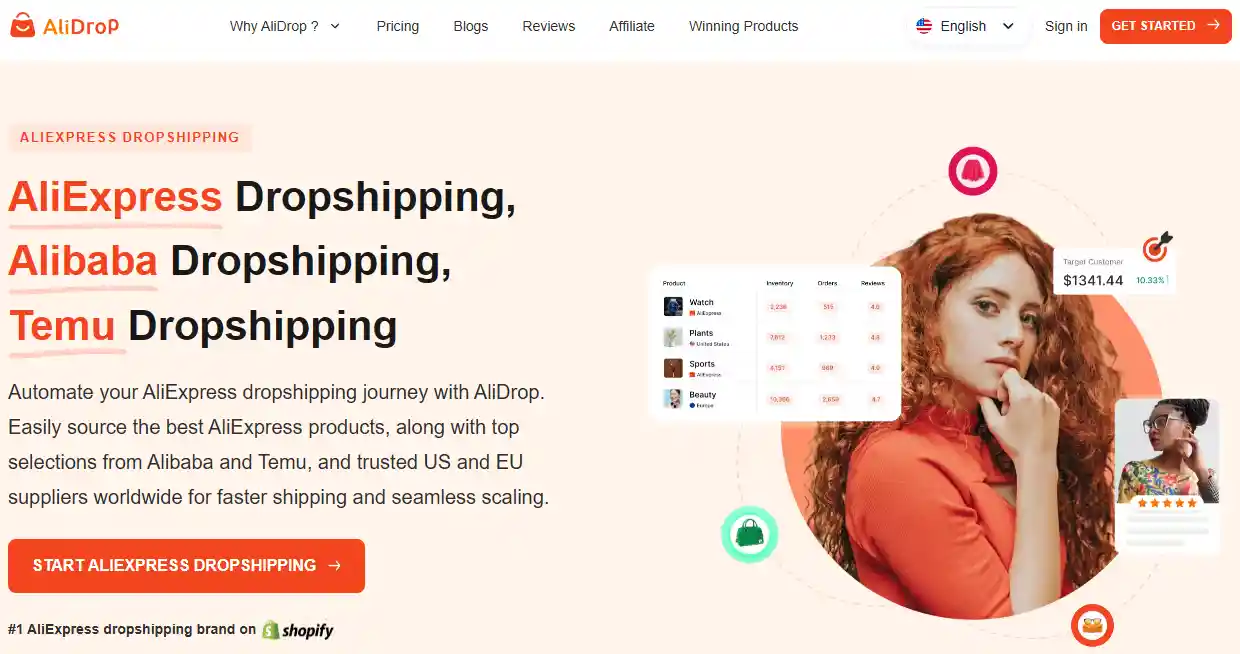
Alidrop connects your store to millions of products from AliExpress, Alibaba, and Temu, along with its network of best US and EU suppliers for faster shipping. You import products with one click, automate fulfillment, and order samples before listing anything. Local suppliers matter most for branding, since customers get orders in days instead of weeks.
For brand building, it lets you add your own product details and build store pages with built-in AI tools. The Alidrop marketplace also surfaces trending, high-converting products, which cuts down product research. That blend of sourcing, automation, and branding gives a branded store a solid base.
2. Spocket
Spocket works with vetted suppliers in the US and Europe, which means shipping in roughly two to five days rather than the usual long overseas wait. That speed alone removes one of the biggest reasons customers leave bad reviews.
Its branded invoicing puts your name and logo on the paperwork buyers receive, so the order looks like it came from you. With sample ordering, one-click imports, and real-time inventory sync, it suits sellers building a premium, repeat-customer brand.
3. Other suppliers
You can use CJ Dropshipping for custom branding and free product sourcing. They also offer custom inserts and private label design services.
Printify and Printful are other options if you want to consider print-on-demand dropshipping services. They are great for apparel, home goods and accessories.
You've also got a HyperSKU which is great for scaling brands that require dedicated sourcing agents. You'll get express shipping and quality control checks. All these features are already offered by Spocket and Alidrop or at least most of these. Spocket and Alidrop are currently the best ones in the market.
You can also try Snazzyway which is a manufacturing-based dropshipping supplier that offers women's fashion and lingerie catalogs with custom brand drags. You can also do your own research but these are the best ones when it comes to branded dropshipping.
What to Look For in a Branded Dropshipping Supplier?
Beyond any single platform, the right branded dropshipping supplier shares a few traits. Judge each one on these before you commit:
- Shipping speed: Look for US, EU, or local warehouses that ship orders in days, since slow shipping kills trust and triggers refunds.
- Branding support: Check whether they allow custom packaging, logos, or branded invoices so orders feel like yours.
- Sample ordering: Ordering samples lets you check quality and the unboxing before customers ever see the product.
- Reliable sync: Real-time stock and price updates prevent overselling and surprise margin drops.
Top Branded Dropshipping Products and Niches This Year
Branded dropshipping works best in niches with steady demand and room to stand out. The strongest categories this year reward brands that solve a clear problem and earn repeat buyers.
- Pet supplies and pet tech: Pet owners buy often and stay loyal, which makes enrichment toys, grooming tools, and wellness items reliable year-round sellers.
- Beauty and skincare devices: At-home beauty tools and skincare gadgets carry high perceived value and repeat purchases, so they suit a brand built on results.
- Health and recovery gear: Massage guns, foam rollers, and recovery tools ride the wellness trend and let you charge a premium for a clear benefit.
- Home and smart-home goods: Decor, organization, and smart gadgets sell on looks and utility, both easy to show in short videos.
- Eco-friendly products: Reusable and sustainable items attract buyers who pay more for their values, which protects your margins. Check out our eco-friendly dropshipping guide.
- Phone and creator accessories: MagSafe cases, chargers, mics, and lights stay in demand as new devices launch and more people make content.
Many of these trending items are easy to source and test quickly. You can pull fresh products through Temu suppliers or similar networks, then brand the winners and drop the rest. Whatever the niche, the pattern holds: pick one audience, solve one problem, and build the brand around it.
Products That Can Hurt Your Branding
Not every product is safe to brand. Some categories quietly damage your reputation or land you in legal trouble, even if they sell at first.
- Cheap, low-quality items: Flimsy products drive refunds, bad reviews, and chargebacks that can sink a young brand fast. Quality is what earns repeat buyers.
- Trademarked or counterfeit goods: Selling branded or knockoff items without rights risks account bans, fines, and legal action, and it harms someone else's brand too.
- Products with unproven health claims: Items that promise medical results you cannot back up invite refunds, ad account bans, and a loss of trust the moment buyers feel misled.
- Fragile or oversized products: Breakable or bulky items rack up shipping costs, damage in transit, and return headaches that eat your margins.
- Heavily saturated commodities: Generic electronics and plain phone cases everyone sells force a race to the bottom on price, leaving no room to build a brand.
What Is the Future of Branded Dropshipping?
The future of branded dropshipping points in one clear direction: generic stores fade, and real brands take over. As ad costs rise and shoppers grow more careful, selling a random product at the lowest price stops working. The sellers who last are the ones building an identity people remember and return to.
Several forces push this shift. Customers now expect fast shipping, honest sourcing, and a clean experience, which favors brands with local suppliers and a real story over faceless shops. Buyers and investors also pay more attention to e-commerce brands than to one-off stores, so a branded asset can be sold later for far more than a generic one.
Branded dropshipping fits this moment well. It keeps the low startup cost and flexibility of dropshipping while adding the trust, margins, and loyalty of a brand. That combination is why the model is set to outlast the quick-flip era it grew out of.
Emerging Branded Dropshipping Trends
A few clear trends are shaping how branded dropshipping looks right now.
- AI-built stores and copy: Sellers now spin up branded stores, product images, and descriptions with AI in minutes, which makes launching easier and raises the quality bar.
- Local and hybrid fulfillment: More brands ship from US, EU, or UK warehouses and move winning products into local stock, cutting delivery to a few days.
- Social commerce: Short-form video and in-app checkout on TikTok and Instagram drive discovery, while the brand's own store handles repeat sales and higher margins.
- Sustainability: Eco-friendly products and recyclable packaging attract buyers who pay more and judge brands on their values.
- Repeat-customer focus: With rising ad costs, brands lean on email, loyalty, and community to make each customer worth more.
Conclusion
Branded dropshipping takes the simple, low-risk side of selling without inventory and adds the part that actually lasts: a brand people trust. Instead of competing on price for a product anyone can copy, you give buyers a name, an experience, and a reason to return. That is what turns a short-lived store into something with real value.
The model rewards sellers who pick one audience, solve one problem, and build around it with care. Begin with one product and one audience, keep the experience consistent, and let the brand grow into something worth owning.
If you want to put these ideas into practice, you can try Alidrop for free and start building a branded dropshipping store today.
What is Branded Dropshipping FAQs
Is branded dropshipping legit?
Yes, branded dropshipping is a legitimate, legal business model. You sell real products from real suppliers under your own brand, holding no inventory yourself. The model is the same as running any online store, just with sourcing handled by a partner. It only crosses a line if you sell counterfeit goods, make false claims, or mislead buyers about what they are getting.
Is branded dropshipping worth it?
For most sellers, yes, as long as you treat it like a real brand. The higher margins, repeat customers, and trust you build outweigh the extra effort of branding compared to a generic store. It is worth it when you commit to one niche and a quality experience. It is rarely worth it if you expect fast money from a random product.
Should beginners go for branded dropshipping?
Beginners can start with branded dropshipping, and many should. Building a brand from day one avoids the race-to-the-bottom trap that sinks most first stores. Start with one product and one clear audience so the work stays manageable. The branding adds a little effort up front, but it gives you a stronger, more lasting store than a plain shop ever could.
What is the difference between branded dropshipping and regular dropshipping?
Regular dropshipping sells generic, unbranded products, often the same items many other stores list, competing mainly on price. Branded dropshipping wraps those products in your own name, packaging, and experience so they feel like your brand. The mechanics of sourcing and shipping are similar. The difference is ownership and trust, which let you charge more and earn repeat buyers.
What are the benefits of branded dropshipping?
The benefits of branded dropshipping are higher margins, stronger customer trust, and repeat buyers who return to a brand they recognize. Because you own the brand, you can raise prices above generic sellers and build loyalty as customers come back. A branded store also becomes a real asset you could sell later, unlike a generic shop that depends on one trending product.


%201.svg)