

Alibaba dropshipping can be a strong way to source products, work with manufacturers, and build a more profitable ecommerce store. Instead of buying inventory upfront, you list products in your store, receive customer orders, and work with suppliers who ship those products directly to customers.
Alibaba is popular because it connects sellers with manufacturers, wholesalers, and trading companies. This can help you find lower product costs, custom packaging options, and long-term supplier relationships. However, Alibaba is not always as simple as beginner-friendly dropshipping platforms. Many suppliers are built for bulk orders, minimum order quantities, and business-to-business transactions.
That means you need to choose suppliers carefully, confirm whether they support dropshipping, order samples, calculate shipping, and understand the full cost before selling.
Dropshipping With Alibaba.com
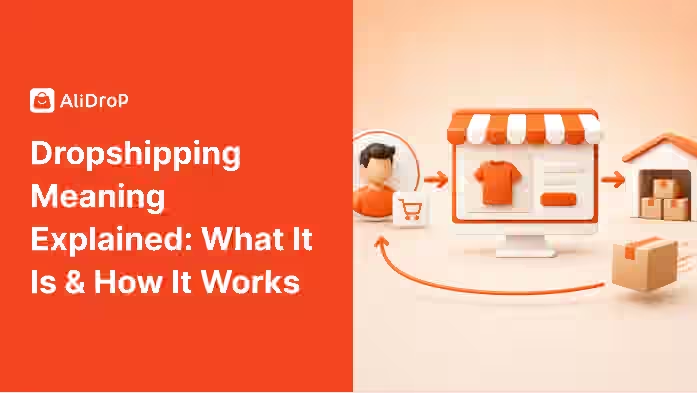
Dropshipping is a business model where you sell products without handling inventory. Instead, you source items from suppliers who ship them directly to your customers. Alibaba is one of the best platforms to find wholesale suppliers for your dropshipping business.
What Is Alibaba Dropshipping?
Alibaba is a global marketplace that connects businesses with manufacturers and suppliers. Unlike AliExpress, which caters to direct consumer orders, Alibaba focuses on bulk purchases. However, many suppliers now offer low minimum order quantities (MOQs) or even dropshipping services, making it a viable platform to start a dropshipping business.
How Does Dropshipping Work on Alibaba?
To dropship with Alibaba, you first need to find reliable suppliers offering low or no MOQ options. You then negotiate terms, set up your online store, and import products. When a customer places an order, the supplier handles Alibaba order fulfillment by shipping directly to them. This eliminates the need for you to store inventory, making it a low-risk business model.
Why Choose Alibaba for Dropshipping?
Alibaba provides access to a vast range of products at wholesale prices. It allows customization and private labeling, which helps in branding your store. The platform also offers trade assurance and secure payment methods, reducing risks. Compared to AliExpress dropshipping, Alibaba is more suited for long-term scalability and business growth. By carefully selecting suppliers and understanding Alibaba payment methods, you can avoid Alibaba scams and build a profitable business.
How to Start Dropshipping With Alibaba.com (Step-by-Step Guide)
Starting a dropshipping business with Alibaba is simple if you follow the right steps. The key is to find reliable suppliers, negotiate favorable terms, and integrate your store for seamless order fulfillment. Here’s a step-by-step guide to help you get started.
Step 1: Create a Buyer Account on Alibaba
To begin, sign up for a free buyer account on Alibaba. This account gives you access to thousands of suppliers offering wholesale and dropshipping services. Once registered, customize your profile to appear professional when reaching out to suppliers.
Step 2: Search for Reliable Suppliers
Finding the right supplier is crucial. Use Alibaba’s search filters to narrow down your options based on product type, location, and business model. Look for suppliers that offer dropshipping services or low minimum order quantities (MOQs). Reading reviews and checking supplier ratings will help you make informed decisions.
Step 3: Check MOQ (Minimum Order Quantity) & Pricing
Unlike AliExpress, Alibaba suppliers often require bulk purchases. However, some offer low MOQ or even single-item dropshipping. Compare pricing, shipping fees, and processing times. Be cautious of hidden costs that could affect your profits.
Step 4: Contact and Negotiate With Suppliers
Once you shortlist suppliers, reach out to discuss details like pricing, shipping times, and payment terms. Negotiation is common on Alibaba, so don’t hesitate to ask for better rates, faster shipping, or custom branding options. Choose suppliers that offer secure Alibaba payment methods and trade assurance for added protection.
Step 5: Order Product Samples for Quality Check
Before listing products, order samples to assess quality, packaging, and shipping speed. This step ensures your customers receive reliable products, helping you avoid Alibaba scams. A good supplier will be open to sending samples at a reasonable price.
Step 6: Set Up Your Online Store and Integrate Alibaba
Now, set up your dropshipping store on platforms like Shopify, WooCommerce, or Wix. To make the process smoother, use Alidrop, which simplifies supplier integration and order fulfillment. Spocket connects you with Alibaba suppliers, allowing you to import products easily and automate dropshipping operations.
Step 7: List Products and Optimize for Sales
Once your store is ready, import products and optimize listings. Use high-quality images, detailed descriptions, and competitive pricing. Add relevant keywords to improve visibility in search engines. Consider offering discounts or free shipping to attract customers.
Step 8: Process Orders and Manage Fulfillment
When customers place orders, forward them to your supplier for Alibaba order fulfillment. Keep track of shipments and provide customers with tracking details. Ensure smooth communication with suppliers to resolve any delivery issues quickly.
When AliDrop Makes More Sense
AliDrop is useful if you want to start dropshipping with less complexity. Instead of manually negotiating with suppliers from the beginning, AliDrop helps you build and manage an AliExpress dropshipping store more easily.
With AliDrop, you can import products, test ideas, and manage your store without dealing with MOQs or lengthy supplier discussions right away.
A smart approach is to use AliDrop for product testing and store setup, then explore Alibaba when you find winning products and want better pricing or customization.
Benefits of Alibaba Dropshipping
Alibaba dropshipping can offer several advantages, especially for sellers who want to grow beyond basic product testing.
Access to Manufacturers and Wholesale Suppliers
One of Alibaba’s biggest strengths is direct access to manufacturers and wholesale suppliers. This can help you source products closer to the original producer instead of buying from retail resellers.
Working closer to the source may give you better pricing, more product options, and the ability to negotiate terms directly.
Better Pricing Potential
Alibaba suppliers often sell products at wholesale prices. This can improve your profit margins, especially if you begin selling consistently and can negotiate better rates.
However, lower product cost does not automatically mean higher profit. You still need to include shipping, platform fees, payment fees, taxes, packaging, returns, marketing, and customer service costs.
Product Customization Options
Alibaba is useful for sellers who want custom products or branded packaging. Depending on the supplier, you may be able to request:
- Custom logos
- Custom colors
- Product modifications
- Private labeling
- Branded packaging
- Product bundles
- Instruction inserts
- Custom materials
This helps you move away from selling generic products and build a stronger brand.
Stronger Supplier Relationships
Alibaba allows direct communication with suppliers. Over time, good supplier relationships can help you negotiate better pricing, faster processing, improved packaging, and priority support.
This can become valuable as your store grows and order volume increases.
Challenges of Alibaba Dropshipping
Alibaba dropshipping has advantages, but it also has challenges. It is not always the easiest route for complete beginners.
Minimum Order Quantities
Many Alibaba suppliers use minimum order quantities, also known as MOQs. This means they may require you to purchase a certain number of units before accepting an order.
Some suppliers may allow one-piece dropshipping or small test orders, but this depends on the supplier. Always confirm the MOQ before listing a product.
Ask questions such as:
- What is your minimum order quantity?
- Do you support one-piece dropshipping?
- Can you ship directly to customers?
- Can I order a sample first?
- Do you support small batch orders?
Longer Supplier Communication
Alibaba often requires more back-and-forth communication. You may need to discuss pricing, shipping methods, delivery timelines, samples, packaging, custom branding, and product specifications.
This process can take longer than using automated dropshipping tools, but it also gives you more control.
Shipping Costs and Delivery Times
Shipping from Alibaba can vary depending on supplier location, destination country, product size, weight, and shipping method. Some suppliers offer express shipping, while others rely on slower freight options.
Before selling, confirm:
- Processing time
- Shipping cost per unit
- Delivery time by country
- Tracking availability
- Shipping carrier
- Return policy
- Replacement policy
- Packaging details
If shipping is too slow or expensive, the product may not be suitable for dropshipping.
Quality Control
Quality control is essential because customers receive products directly from suppliers. If the product is poor, your store gets the complaint, not the supplier.
Always order samples before selling. Samples help you check product quality, packaging, delivery speed, supplier communication, and whether the item matches the listing.
Pros and Cons of Dropshipping With Alibaba
Alibaba is a great platform for sourcing products, but it comes with both advantages and challenges. Knowing these will help you make better business decisions when you dropship with Alibaba.
Pros of Using Alibaba for Dropshipping
- Lower wholesale pricing: Since you buy directly from manufacturers, product costs are cheaper than retail alternatives.
- Private labeling and customization: Many suppliers allow branding, custom packaging, and unique designs for your products.
- Huge product selection: You can find almost anything, making it easy to explore the best niches for Alibaba dropshipping.
- Bulk ordering benefits: If you're scaling your store, ordering in bulk reduces per-unit costs.
- Secure payment options: Trade Assurance and verified payment methods protect your funds.
- Supplier flexibility: Some suppliers offer low MOQs (minimum order quantity) or even direct dropshipping services.
Cons to Be Aware Of
- High MOQ requirements: Many suppliers require bulk orders, which can be costly for beginners.
- Longer shipping times: International shipping can take weeks unless you find suppliers with local warehouses.
- Quality control risks: Without testing, you risk selling low-quality products to customers. Always order samples first.
- Potential supplier scams: Some sellers may offer fake or misleading deals. Verify credentials and use secure Alibaba payment methods.
- Complicated supplier communication: Since many suppliers are overseas, there may be language barriers or delays in response time.
Common Mistakes to Avoid When Dropshipping With Alibaba
Dropshipping with Alibaba offers great opportunities, but mistakes can cost you time and money. Many beginners overlook key details, leading to delays, unhappy customers, or financial losses. Here are some common mistakes to avoid when setting up your Alibaba dropshipping business.
Not Verifying Supplier Credentials Properly
Choosing the wrong supplier can lead to poor product quality, delayed shipping, or even scams. Before placing an order, always check if the supplier has Gold Supplier status, Trade Assurance, and positive reviews. Look for verified manufacturers with a track record of delivering quality products. Contact them directly and ask for certifications, sample products, and real customer testimonials to ensure they are reliable.
Ignoring MOQ and Hidden Costs
Many Alibaba suppliers require a minimum order quantity (MOQ) before processing an order. Some dropshippers make the mistake of assuming Alibaba functions like AliExpress, where you can order single units. Before committing to a supplier, check their MOQ requirements and confirm pricing for bulk orders, branding options, and packaging costs. Be aware of additional expenses like custom duties, taxes, and handling fees, which can eat into your profit margins.
Overlooking Shipping & Fulfillment Details
Slow shipping can hurt customer satisfaction and damage your store’s reputation. Some Alibaba suppliers have long processing times, especially if they manufacture products on demand. Always confirm estimated delivery times, shipping options, and warehouse locations before finalizing a supplier. If you’re dropshipping with Alibaba to Shopify or another platform, choose suppliers with fulfillment centers in the U.S. or Europe for faster delivery.
Failing to Optimize Product Listings for Sales
A great product won't sell if your listings are not properly optimized. Many dropshippers fail to include clear product descriptions, high-quality images, and persuasive copy. Use relevant keywords to improve visibility in search engines and marketplaces. Use AI product description writers to write SEO friendly product descriptions. Highlight key product benefits, shipping details, and customer reviews. If possible, create branded content or videos to build trust and increase conversions.
Conclusion
Alibaba dropshipping can be a smart option for sellers who want better sourcing, product customization, stronger supplier relationships, and higher long-term profit potential. It gives you access to manufacturers and wholesalers, but it also requires careful supplier research, clear communication, sample testing, and realistic cost calculation.
If you are new to dropshipping, AliDrop can be a simpler starting point. You can use it to test products through AliExpress, build your store, and learn what your audience wants before moving into Alibaba sourcing.
The best approach is to use each platform for the right stage of your business. Use AliDrop to start and test products with less complexity. Use Alibaba when you are ready to negotiate better pricing, customize products, and build long-term supplier relationships. With the right strategy, Alibaba dropshipping can help you create a more profitable and brand-focused ecommerce business.


%201.svg)