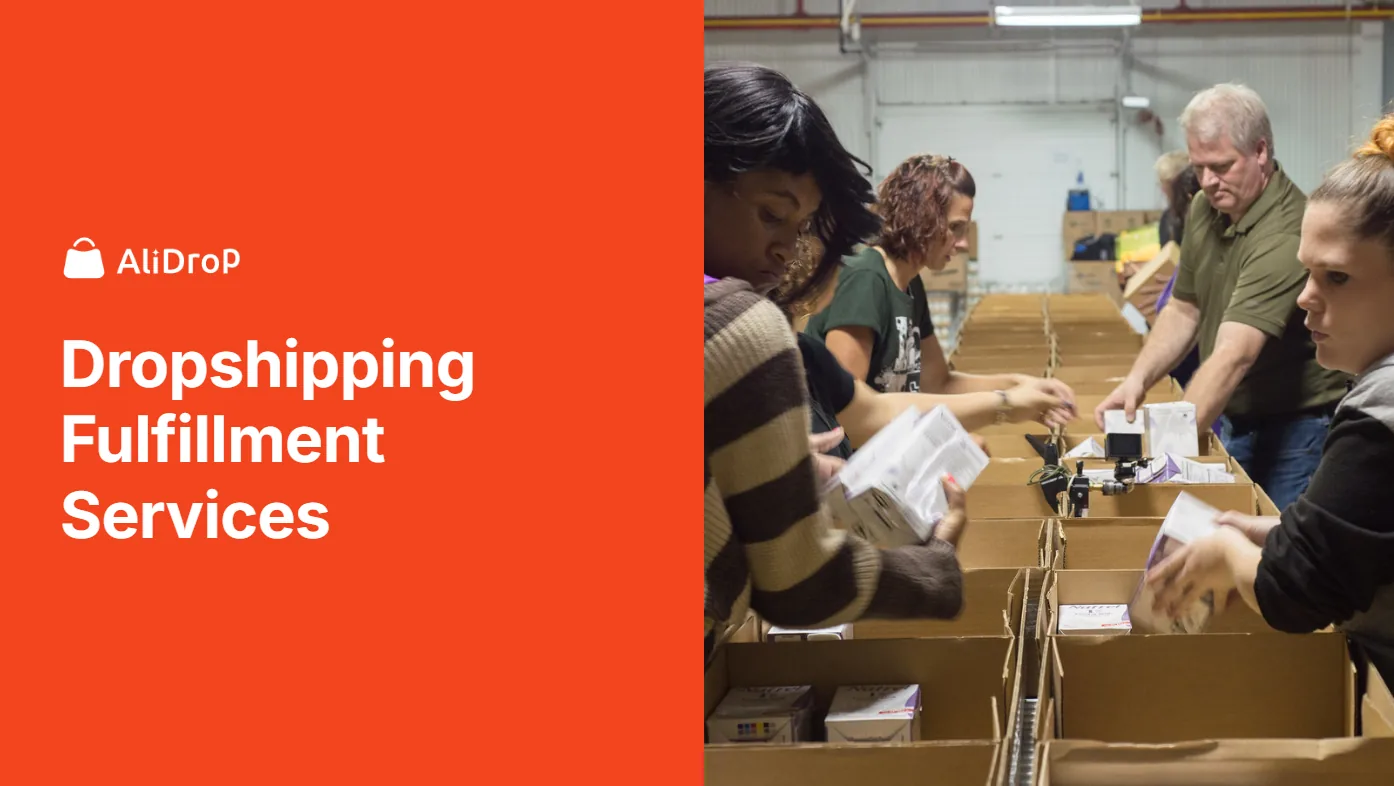


B2B dropshipping is quietly reshaping how modern ecommerce businesses source and sell products at scale. While most entrepreneurs focus on B2C models, bulk sourcing through B2B dropshipping remains a largely untapped opportunity with higher margins, repeat customers, and long-term growth potential. Instead of selling single items to individual buyers, this model allows you to supply products in bulk to other businesses—without holding inventory or managing warehousing.
As global supply chains become more accessible and automation tools evolve, entering the B2B space has never been easier. Whether you're looking to scale beyond traditional dropshipping or build a more sustainable ecommerce business, understanding how B2B dropshipping works can give you a serious competitive edge in today’s market.
B2B Dropshipping Explained for Modern Ecommerce
B2B dropshipping is different from traditional retail because you are not selling one product at a time to individual shoppers. You are selling larger quantities to other businesses that need reliable supply, better pricing, and repeat fulfillment. That shift matters. It changes your margins, your sales process, and the kind of supplier relationships you need to build. As B2B ecommerce grows and more buyers become comfortable placing large orders online, this model is getting more attention from modern ecommerce brands. In fact, Grand View Research estimates the global B2B ecommerce market at $24.08 trillion in 2025.
What is B2B Dropshipping?
B2B dropshipping is a business model where a supplier or manufacturer ships products directly to another business on your behalf. The flow usually looks like this:
- Manufacturer or supplier stores the product
- You market and sell it to business buyers
- The supplier packs and ships the order directly to your customer
Unlike B2C dropshipping, this model is built around bulk-oriented order flow. Buyers may order in larger quantities, ask for repeat shipments, or request custom pricing. That makes dropshipping in B2B mode attractive for sellers who want higher order values without managing warehouse stock themselves.
At its core, it is still an inventory-light model. You do not need to buy and hold products upfront, but you do need dependable suppliers, clear pricing terms, and a fulfillment setup that can handle larger orders smoothly.
How B2B Dropshipping Works Step by Step
Here is the process in a simple way:
- Choose a B2B niche with steady business demand, such as office supplies, electronics, accessories, packaging, or industrial products
- Partner with suppliers that support bulk orders, stable lead times, and business-grade fulfillment
- List products on your store with clear MOQ, shipping timelines, and custom quote options if needed
- Receive an order from a business buyer
- Send the order details to the supplier through automation or manual processing
- Supplier ships directly to your customer
- You manage communication, pricing, and relationship-building
The real advantage is scale. Instead of chasing many one-off buyers, you can build a smaller set of valuable accounts that order repeatedly. This is why B2B sellers often focus as much on supplier partnerships and fulfillment reliability as they do on marketing.
Why B2B Dropshipping Is Growing Fast
B2B dropshipping is growing because the market is moving toward digital wholesale buying, not just retail ecommerce. More business buyers now expect the same convenience they get in B2C: easy ordering, transparent pricing, and reliable delivery. McKinsey notes that B2B buyers increasingly want omnichannel and digital-first purchasing experiences, including for high-value transactions.
A few reasons this model is gaining traction:
- Wholesale ecommerce is expanding, creating more space for online B2B selling
- Businesses want scalable sourcing without adding inventory risk or warehousing costs
- Global supplier access is improving, making cross-border sourcing easier for more sellers and buyers
- Digital procurement behavior is changing, especially as businesses become more comfortable buying through online channels
For ecommerce brands, this opens up a smart opportunity: sell to fewer customers, but sell bigger orders with stronger lifetime value.
B2B vs B2C Dropshipping Key Differences That Matter
B2B dropshipping is not just B2C with bigger carts. It is a different model with different buyer expectations. In B2C, speed, impulse buying, and product presentation drive conversions. In B2B, buyers care more about pricing structure, supply consistency, fulfillment accuracy, and long-term value. That means your store, messaging, and supplier strategy need to support business purchasing behavior, not casual shopping.
Order Size and Profit Margins
The biggest difference is order value.
- B2C dropshipping: smaller orders, often one or two units at a time
- B2B dropshipping: larger or repeat orders, often with negotiated pricing
This usually leads to:
- Higher average order value
- Better revenue per customer
- Stronger long-term account value
Margins can be tighter per unit in B2B because bulk buyers expect discounts, but the total profit per transaction is often higher because of order size and repeat business.
Customer Type and Sales Cycle
B2C buyers usually make fast, emotional decisions. B2B buyers take longer and compare more.
B2B customers often care about:
- reliability
- shipping timelines
- payment terms
- reorder potential
- supplier consistency
So the sales cycle is usually:
- longer
- more rational
- more relationship-driven
That is why trust matters more in B2B dropshipping. A business buyer is not just purchasing a product. They are choosing a supply partner.
Pricing Strategy and Negotiation Power
In B2C, prices are often fixed. In B2B, pricing is more flexible.
You may need to offer:
- volume discounts
- custom quotes
- tiered pricing
- repeat-order incentives
This also gives you more room to negotiate with suppliers. If you can bring steady bulk orders, you are often in a better position to ask for better rates, faster fulfillment, or branded packaging options.
Logistics Complexity and Fulfillment
B2C fulfillment is usually simpler: pick, pack, and ship individual items quickly.
B2B fulfillment can involve:
- larger carton quantities
- pallet-based shipping
- split deliveries
- recurring bulk orders
- stricter delivery windows
That makes logistics more complex, but also more valuable. If you can solve fulfillment well, you become more useful to business customers and harder to replace.
Why B2B Dropshipping Is an Untapped Opportunity
Most dropshipping content still focuses on selling single products to individual shoppers. That is exactly why B2B dropshipping remains underused. Instead of competing in crowded retail markets, you can serve business buyers who care more about supply reliability, pricing, and repeat availability than flashy branding. The bigger shift is demand: the global B2B ecommerce market was estimated at $24.08 trillion in 2025 and is projected to keep growing rapidly, while McKinsey reports that B2B buyers are increasingly comfortable making high-value purchases through digital channels.
Higher Average Order Value (AOV)
One of the biggest advantages of B2B dropshipping is higher average order value. You are not relying on one-off consumer purchases. You are selling larger quantities to companies that may reorder on a schedule. McKinsey’s B2B Pulse findings show that a growing share of buyers are comfortable placing very large orders online, including orders above $500,000 through self-serve or remote channels. That makes B2B ecommerce a strong fit for sellers who want fewer transactions with more revenue potential per account.
Lower Competition Compared to B2C
B2C dropshipping is crowded because almost anyone can launch a store and target the same consumer trends. B2B is harder to enter well, which is why competition is usually lower. Business buyers expect product consistency, negotiated pricing, and dependable fulfillment. That barrier filters out many casual sellers. For brands willing to build supplier relationships and offer a smoother buying process, B2B dropshipping creates room to compete on trust and service instead of only on price. This fits the broader shift toward digital procurement and wholesale ecommerce.
Long-Term Business Relationships
A consumer may buy once and disappear. A business buyer is different. If your pricing works and your delivery stays reliable, that customer can turn into a long-term account. This relationship-driven model is one of the strongest reasons to consider B2B dropshipping. McKinsey’s research shows B2B buying is now deeply omnichannel and convenience-driven, which means buyers want suppliers they can trust across repeat digital transactions, not just one successful first order.
Predictable Revenue Through Repeat Orders
Repeat ordering is where B2B becomes especially attractive. Businesses often buy on routine cycles, whether monthly, quarterly, or based on project demand. That gives you better revenue visibility than a store built only on unpredictable retail traffic. When you combine repeat orders with larger ticket sizes, B2B dropshipping can become a more stable and scalable ecommerce model than standard B2C selling.
How Bulk Sourcing Works in B2B Dropshipping
Bulk sourcing is central to the B2B dropshipping model. It is what allows you to serve business buyers without buying and storing inventory yourself. Instead of stocking products in advance, you work with suppliers that can handle larger order quantities and ship directly to your customer when a sale is placed. This model works well because wholesale buying is becoming more digital, and more suppliers now support online, cross-border, and repeat business purchasing.
What Is Bulk Sourcing in Dropshipping?
In simple terms, bulk sourcing means finding suppliers that can fulfill larger-volume orders for your customers while you stay in the middle as the seller. You do not hold stock. You source products at business-friendly rates, list them in your store, and pass the order to the supplier after a buyer checks out. This makes B2B dropshipping useful for categories where buyers need volume, such as office supplies, packaging, accessories, or wholesale-ready products.
MOQ (Minimum Order Quantity) Explained
MOQ stands for minimum order quantity. It is the smallest number of units a supplier is willing to sell in one order. On wholesale platforms, MOQ helps suppliers protect their production costs and maintain workable margins. MOQ is a standard part of B2B sourcing and notes that lower MOQ or even no-MOQ arrangements may sometimes be negotiated depending on the supplier, product type, and relationship.
For buyers and sellers, MOQ matters because it affects:
- your pricing
- your supplier choices
- the type of customers you can target
- how flexible your offers can be
Negotiating Prices with Suppliers
In B2B dropshipping, pricing is rarely fixed forever. Suppliers are often open to better terms when they see repeat demand, larger orders, or long-term potential. The smartest approach is to negotiate around a few points:
- unit price for higher quantities
- MOQ flexibility for testing new products
- shipping speed and cost
- custom packaging or branding options
- payment terms for repeat business
Alibaba’s sourcing guidance also highlights MOQ and pricing negotiation as normal parts of B2B supplier discussions, especially when buyers are trying to balance order volume with margin.
Managing Inventory Without Owning It
This is where B2B dropshipping becomes efficient. You do not need to purchase bulk inventory upfront or manage warehouse space. Instead, your supplier holds the stock and fulfills orders as they come in. Your job is to manage the customer relationship, pricing, and order flow. That lowers risk, improves cash efficiency, and makes it easier to scale into bulk sourcing without tying up capital in unsold products.
Best Platforms and Suppliers for B2B Dropshipping
Your platform and supplier choice will shape your margins, shipping speed, and customer experience. For small-scale testing, marketplaces can help. For serious B2B growth, private supplier relationships usually become more important. The best setup is the one that lets you source reliably, quote competitively, and fulfill bulk orders without friction.
AliExpress vs Private Suppliers
AliExpress can work when:
- you are testing products or niches
- you want low upfront risk
- you need quick access to many listings
Private suppliers are better when:
- you want consistent bulk fulfillment
- you need better pricing at volume
- you want stronger control over shipping and branding
Limitations of AliExpress
- pricing is often less competitive for larger orders
- fulfillment consistency can vary by seller
- branding and packaging flexibility is limited
- it is not always ideal for long-term B2B account management
AliExpress is useful for discovery and validation. But once you start handling serious B2B volume, private suppliers usually offer a more dependable path.
Why Private Suppliers Matter for Bulk Orders
Private suppliers matter because B2B buyers expect more than product access. They expect stability. A strong private supplier can help you offer:
- faster shipping, especially with better stock planning
- better margins through negotiated pricing
- custom branding or packaging support
- more reliable communication when issues happen
That becomes a real advantage when you are serving businesses instead of casual consumers.
Using AliDrop for B2B Dropshipping
If you want to keep B2B sourcing simple, AliDrop is a great tool for you. Instead of juggling product research, supplier coordination, and order handling across too many tools, you can use it to make sourcing and store operations more manageable. For sellers moving into bulk-friendly ecommerce, that kind of streamlined setup matters.
A practical B2B use case for AliDrop is:
- finding products with stronger supplier potential
- organizing sourcing for business-focused offers
- simplifying order workflows as volume grows
- building a store that can move beyond one-off retail sales
The real win is not just automation. It is clarity. When your sourcing process is cleaner, it becomes easier to focus on margins, buyer relationships, and repeat revenue.
How to Start a B2B Dropshipping Business
Starting a B2B dropshipping business is less about chasing trends and more about building a reliable supply system for business buyers. Unlike B2C, where speed and ads dominate, B2B success comes from choosing the right niche, working with dependable suppliers, and creating a smooth buying experience for bulk customers. Here’s how to do it step by step.
Choose a Profitable B2B Niche
Your niche determines demand, margins, and scalability. Focus on industries where businesses need regular supply.
High-potential niches:
- Wholesale electronics (accessories, components, gadgets)
- Office supplies (stationery, furniture, consumables)
- Industrial goods (tools, packaging, safety equipment)
What to look for:
- Repeat purchase demand
- Easy shipping and storage
- Stable pricing (not trend-based)
Find Reliable Bulk Suppliers
Suppliers are the backbone of B2B dropshipping. A weak supplier will break your business.
Key factors to evaluate:
- Ability to handle bulk orders consistently
- Clear MOQ and pricing tiers
- Fast and predictable shipping
- Good communication and support
Start with marketplaces for discovery, then move to private suppliers for better margins and reliability.
Set Up Your Ecommerce Store
Your store should feel like a business buying platform, not a retail shop.
Must-have elements:
- Bulk pricing or tiered pricing display
- Clear MOQ and shipping timelines
- Easy quote/request system for large orders
- Professional product pages (focused on specs, not hype)
This builds trust with business buyers who care about clarity over design.
Pricing Strategy for Bulk Buyers
Pricing in B2B dropshipping is flexible and strategic.
Best practices:
- Offer volume discounts (e.g., 10+, 50+, 100+ units)
- Keep margins slightly lower per unit but higher per order
- Leave room for negotiation on large deals
The goal is long-term value, not one-time profit.
Build Relationships with Buyers
B2B is relationship-driven. One good client can generate consistent revenue.
Focus on:
- Fast responses and clear communication
- Reliable order fulfillment
- Follow-ups for repeat orders
Over time, this turns your store into a trusted supplier, not just a seller.
Proven Strategies to Scale B2B Dropshipping
Once your foundation is set, scaling is about reaching the right buyers and improving efficiency. Growth in B2B dropshipping comes from smarter targeting, better offers, and automation—not just more traffic.
Targeting Businesses Instead of Consumers
Shift your mindset from selling products to solving supply problems.
Target audiences:
- Small businesses
- Ecommerce brands
- Corporate buyers
- Retail stores
Focus your messaging on cost savings, reliability, and bulk availability, not impulse buying.
Leveraging LinkedIn and Cold Outreach
LinkedIn is one of the most powerful channels for B2B growth.
Effective tactics:
- Connect with business owners and procurement managers
- Send personalized outreach messages
- Share product catalogs or bulk offers
Cold email can also work if it’s targeted and value-driven, not spammy.
Offering Volume Discounts
Volume-based pricing helps you win bigger orders and retain clients.
Examples:
- Buy 50 units → 10% discount
- Buy 100 units → 20% discount
This encourages larger purchases and builds long-term partnerships.
Automating Order Management
As orders grow, manual handling becomes a bottleneck.
Automate:
- Order forwarding to suppliers
- Inventory syncing
- Tracking updates
Using tools like AliDrop, you can simplify sourcing and order flow, making it easier to handle bulk orders without operational chaos.
Common Challenges in B2B Dropshipping and How to Overcome Them
B2B dropshipping is powerful, but it comes with its own set of challenges. Understanding them early helps you avoid costly mistakes and build a more stable business.
Supplier Reliability Issues
Not all suppliers can handle bulk consistently.
Solution:
- Test suppliers with small orders first
- Maintain backup suppliers
- Communicate expectations clearly
Consistency matters more than price in B2B.
Managing Large Orders Efficiently
Bulk orders increase complexity in packaging, shipping, and timelines.
Solution:
- Work with suppliers experienced in bulk fulfillment
- Set clear delivery expectations with customers
- Use automation tools to reduce manual errors
Handling Longer Sales Cycles
B2B buyers take more time to decide compared to consumers.
Solution:
- Be patient and follow up regularly
- Provide clear pricing and product details upfront
- Build trust through transparency
A slower sale often leads to higher-value orders.
Payment Terms and Cash Flow
Large orders can create cash flow pressure, especially if payment terms vary.
Solution:
- Start with upfront payments
- Gradually introduce flexible terms for trusted clients
- Keep a buffer for supplier payments
Managing cash flow well ensures you can scale without risk.
Real-World Examples of B2B Dropshipping Success
B2B dropshipping becomes easier to understand when you look at how it works in real business settings. The model is not limited to one niche. It can work for electronics, gifting, industrial supply, and other categories where buyers need reliable sourcing and repeat fulfillment. These examples show why B2B dropshipping is appealing: larger orders, repeat demand, and less pressure to chase constant retail traffic.
Wholesale Electronics Store Case
A wholesale electronics store can use B2B dropshipping to supply items like charging accessories, phone stands, cables, and small devices to retailers, office buyers, or corporate resellers. Instead of holding stock, the seller works with a supplier that can fulfill larger orders directly.
Why this model works:
- electronics accessories have steady business demand
- order values are usually higher than standard B2C carts
- repeat purchasing is common when buyers restock
This setup works especially well when the seller offers clear specs, volume pricing, and fast delivery expectations.
Corporate Gift Supplier Model
Corporate gifting is another strong B2B dropshipping model. Businesses regularly source branded notebooks, desk accessories, drinkware, event kits, and employee welcome gifts. A seller can act as the middle layer between business clients and suppliers that handle fulfillment.
What makes this model attractive:
- seasonal and event-based bulk demand
- room for custom packaging or branding
- potential for repeat orders from HR, events, and procurement teams
In this model, reliability often matters more than being the cheapest option.
Industrial Equipment Dropshipping
Industrial equipment dropshipping works best for lightweight tools, safety items, packaging materials, replacement parts, or maintenance supplies rather than heavy machinery. Buyers in this space care about availability, consistency, and reorder convenience.
Why it works:
- business demand tends to be practical and recurring
- buyers usually prioritize supply continuity
- order values can be strong even in narrow niches
This kind of niche is less crowded than consumer categories, which can make it easier to build authority over time.
Is B2B Dropshipping Profitable in 2026?
Yes, B2B dropshipping can be profitable in 2026, especially for sellers who focus on repeat demand, reliable suppliers, and strong buyer relationships. The opportunity looks stronger now because B2B ecommerce itself is expanding fast. Grand View Research estimates the global B2B ecommerce market at $24.08 trillion in 2025 and projects it to reach $105.85 trillion by 2033, with a 20.9% CAGR from 2026 to 2033. In the U.S., manufacturing and wholesale distribution sales reached $15.12 trillion in 2025, and Digital Commerce 360 says the key shift is increasingly digital buying behavior.
Profit Margins Compared to B2C
B2B margins do not always look bigger on a per-unit basis because bulk buyers expect better pricing. But profitability often improves in other ways:
- higher average order values
- lower customer acquisition waste over time
- more repeat purchases
- better supplier negotiation leverage
So while B2C may offer faster one-off wins, B2B often creates stronger total profit per account. That is especially true if you can reduce churn and keep buyers reordering.
Market Trends and Growth Potential
The market direction supports B2B growth. More buyers are comfortable purchasing through digital and self-serve channels. McKinsey reports that buyers’ comfort with remote and self-service spending increased in 2024, including for purchases of $500,000 or more. That matters because it shows business buyers are no longer limited to traditional offline procurement for high-value orders.
That creates a strong environment for B2B dropshipping sellers who can offer:
- dependable sourcing
- transparent pricing
- faster fulfillment
- an easy online buying process
Long-Term Sustainability
B2B dropshipping is more sustainable than many consumer-focused models because it is built on repeat supply, not trend chasing. A business customer that trusts your pricing and fulfillment can keep buying for months or years. That makes the model more stable than relying only on paid ads and impulse purchases.
The long-term win comes from building systems, not just launching products.
Future Trends in B2B Dropshipping
The next stage of B2B dropshipping will be shaped by smarter sourcing, better automation, and stronger supplier networks. As procurement becomes more digital, sellers that use technology well will have an advantage.
AI in Supplier Matching
AI is starting to improve how businesses discover and evaluate suppliers. McKinsey says generative AI can help procurement functions unlock value, while Accenture notes AI can guide buyers toward the right suppliers, prices, and terms using internal and external data. In practice, that means better supplier matching, faster sourcing decisions, and less manual filtering.
For B2B dropshipping, this could mean:
- faster supplier discovery
- better product-to-supplier fit
- stronger pricing decisions
- fewer sourcing mistakes
Automation in Bulk Order Processing
Automation will matter even more as order volume grows. Bulk orders involve more moving parts than retail dropshipping, including pricing tiers, repeat orders, and fulfillment coordination. Businesses that automate order routing, tracking, and inventory syncing will be better positioned to scale without operational bottlenecks.
This is one of the clearest areas where B2B sellers can gain efficiency and protect margins.
Rise of Private Supplier Networks
Public marketplaces are useful for discovery, but private supplier networks are becoming more important for serious B2B growth. They usually offer:
- better pricing consistency
- more reliable communication
- stronger fulfillment support
- more room for branded or custom orders
As B2B buying becomes more digital and more competitive, private supplier access will likely become a bigger differentiator.
Conclusion
B2B dropshipping is still one of the more overlooked ecommerce opportunities for sellers who want bigger orders, repeat customers, and a more stable path to growth. Instead of competing in saturated B2C categories, you can build a business around bulk sourcing, supplier relationships, and long-term buyer value.
That is what makes it so promising in 2026. The market is growing, business buyers are increasingly comfortable buying online, and better sourcing tools are making the model easier to run at scale. If you want to move beyond one-off sales and build a more reliable ecommerce operation, this is a space worth taking seriously. And if you want to simplify sourcing and operations while moving toward business-focused selling, AliDrop can be a practical way to make that transition easier.
B2B Dropshipping FAQs
What is B2B dropshipping?
B2B dropshipping is an ecommerce model where you sell products in bulk to businesses without holding inventory. Suppliers handle storage and ship large orders directly to your clients, making it a scalable, low-risk way to serve wholesale buyers.
Is B2B dropshipping profitable?
Yes, B2B dropshipping is profitable due to higher order values, repeat purchases, and stronger supplier negotiation. While per-unit margins may be lower, overall profits increase through bulk orders and long-term business relationships.
How is B2B dropshipping different from B2C?
B2B dropshipping targets business clients with bulk orders, longer sales cycles, and negotiated pricing. B2C focuses on individual consumers, smaller orders, and faster buying decisions driven by marketing and product appeal.
What products are best for B2B dropshipping?
Top B2B dropshipping products include office supplies, industrial tools, electronics accessories, corporate gifts, and wholesale apparel. These categories have consistent demand, repeat purchases, and are well-suited for bulk sourcing and business buyers.
Do you need bulk inventory for B2B dropshipping?
No, you don’t need to hold bulk inventory. In B2B dropshipping, suppliers store and ship products directly to customers. However, you must partner with suppliers capable of handling large, consistent bulk order fulfillment.
How do I find B2B dropshipping suppliers?
You can find B2B dropshipping suppliers through platforms like AliDrop, wholesale marketplaces, and private supplier networks. For better margins and reliability, building direct relationships with suppliers is often more effective long-term.
What is bulk sourcing in dropshipping?
Bulk sourcing in dropshipping means partnering with suppliers who can fulfill large-quantity orders while you avoid holding inventory. It allows you to serve business buyers efficiently, combining wholesale pricing with a dropshipping fulfillment model.


%201.svg)