

Building an ecommerce business around your own brand is an exciting venture. Selling products that carry your label, rather than a generic brand, is how you cultivate customer loyalty and stand out in a crowded market. The dropshipping market will hit USD 401.4 billion in 2026 and grow at a CAGR of 20.6% in the coming years. We can expect it to reach USD 1.84 trillion by 2035. This model, known as private labeling, allows you to control the quality, pricing, and presentation of your goods. While sourcing products from overseas, particularly through platforms like AliExpress, can seem daunting, it is a viable path to profitability. This guide provides a clear roadmap for how to find private label suppliers on AliExpress, ensuring you partner with reliable factories that can help your business thrive.
What is Private Labeling?
Private label is a business model where you take a generic product manufactured by a third party and sell it under your own brand name. The manufacturer, often based in countries like China or India, handles the production using their materials and labor. Your role involves branding the product and its packaging with your logo, design, and labels. This differs from wholesale, where you buy and resell existing branded products, and dropshipping, where you never handle inventory. With a private label, you are creating a product that is uniquely yours.
For example, a company might sell cocktail napkins under their brand, "Bumblebee Linens." A factory in China produces the napkins, but they are packaged and shipped with the Bumblebee Linens branding. Even large corporations like Amazon and Target use this model to maximize profits by creating their own versions of popular items, often sold at a lower price point than the leading name-brand competitor. This approach is superior to simply reselling products because you build an asset: your brand. When you search for private label suppliers on AliExpress, you are looking for partners who can bring this vision to life.
How Does Private Label Sourcing on AliExpress Work?
Finding private label suppliers on AliExpress is a multi-step process that requires patience and due diligence. It’s not as simple as picking the first supplier you see. You must go through a vetting process to ensure they can meet your quality standards and business needs. The platform itself is a powerful tool for initial product testing and validation. This section breaks down the workflow into actionable steps.
Filtering for Supplier Credibility
When you search for a product on AliExpress, you are immediately faced with hundreds of options. The first step is to filter these results to find credible suppliers. You should immediately sort the search results by "Orders." This shows you which suppliers are actively fulfilling products for other businesses. A supplier with a high order count, typically over 500, indicates they have the production capacity and experience to handle demand. This order history is a form of social proof that can save you time.
Once you have applied the order filter, your focus should narrow to suppliers with a star rating of 4.0 or higher. This rating is a quick indicator of customer satisfaction. A high rating suggests that the supplier provides quality products and reliable shipping, which are critical for maintaining your brand's reputation. By applying these two simple filters, you eliminate a significant number of unreliable options right from the start and get closer to the top suppliers on AliExpress for private label.
Analyzing Product Reviews Like a Pro
After identifying a few high-potential suppliers, the next crucial step is to dive deep into their product reviews. Do not just look at the overall star rating. Click on the product listing and read the feedback, specifically looking for reviews with photos or videos. These visual reviews provide the most authentic look at the product's actual quality, sizing, and material. Pay close attention to what customers are saying about the fit, durability, and functionality. This helps you gauge whether this supplier is worthy of being one of your AliExpress private label suppliers.
It is equally important to read the negative reviews. While a low count of one-star reviews is a good sign, the content of those reviews is invaluable. If multiple customers complain about the same issue, such as "the zipper breaks easily" or "the sizing runs two sizes too small," this is a red flag. You can use this information in two ways: either eliminate the supplier entirely, or, if the issue seems minor, you can address it with the supplier and in your own product descriptions to set accurate customer expectations. This attention to detail is what separates successful sellers from those who struggle.
Evaluating Product Costs and Profit Margins
Once you have confirmed the supplier’s reliability through reviews, you must analyze the pricing to ensure your business can be profitable. A common mistake is to base your retail price on a temporary discount or a "new user" sale. Instead, focus on the product's regular, consistent price. This is the cost you need to plan for long-term. This is a critical step when you decide to customize private label products on AliExpress for your store.
A standard formula for maintaining a healthy profit margin is to multiply the cost of goods by 2.5. For instance, if a product costs $32.98, your minimum selling price should be around $82.45. This margin helps cover your marketing, overhead, and other costs while ensuring a profit. If using this calculation prices your product significantly higher than your competition, you may need to move on to another supplier or product. The goal is to find a supplier whose product cost allows you to be both competitive and profitable, creating a sustainable business model.
Understanding Shipping Times and Options
Shipping is one of the biggest challenges when sourcing from overseas. You must go into this expecting longer delivery times compared to domestic suppliers. However, you can mitigate this by looking for suppliers that offer multiple shipping options. Some suppliers provide expedited shipping for a small additional fee, which can dramatically improve the customer experience. You can even find some of the best US and EU suppliers through tools like Alidrop to completely bypass long shipping times.
You must also confirm that the supplier can ship to the countries you are targeting with your marketing. If your primary market is the United States, United Kingdom, Australia, Canada, and New Zealand, but the supplier only has reliable shipping to the US, you will need to adjust your advertising strategy accordingly. Identifying a supplier with shipping times of 10 days or less is a significant win when you are just starting and using a free platform like AliExpress for AliExpress dropshipping.
What Can You Do on AliExpress?
AliExpress is primarily a consumer-to-consumer and business-to-consumer marketplace, but it is an invaluable tool for new entrepreneurs. You can use it to test product ideas with minimal upfront investment. Instead of committing to thousands of units from a factory, you can order samples to inspect quality yourself. This allows you to gauge market demand for a product before you invest in large-scale production and custom branding. You can also communicate directly with suppliers, ask questions about product specifications, and negotiate pricing, all within the platform's messaging system.
Furthermore, AliExpress provides a window into current market trends. By browsing best-selling items and analyzing competitor listings, you can gain product inspiration and identify profitable niches. The platform’s built-in order and rating system offers a layer of transparency, giving you a data-driven way to assess a supplier's reliability before you ever send a payment. It serves as a practical, low-risk training ground for learning the ropes of international sourcing. Once you find a winner, you can move your business to a dedicated dropshipping platform for automation.
How to Find Private Label Suppliers on AliExpress
The process of finding a supplier on AliExpress is straightforward, but finding a good one requires strategy. Start by using specific search terms related to your product niche. Instead of just "yoga mat," try searching for "custom yoga mat" or "blank yoga mat for printing." This can lead you to suppliers who are already set up for private labeling. Once you have your search results, immediately apply the filters for "Orders" and "4 Stars & Up" as discussed earlier. This will bring the most reliable suppliers to the top of your list.
After filtering, click into the listings of the top 3-5 suppliers. Look for those that have been on the platform for several years. An established presence is a good sign of stability. On their storefront, see if they mention "custom orders" or "OEM" (Original Equipment Manufacturing), which indicates they are open to private label collaborations. This targeted approach to finding the best suppliers on AliExpress for private label dropshipping saves you time and connects you with factories that understand the business model.
Top Tools and Apps for Finding Private Label Suppliers in 2026
While AliExpress is a great starting point, scaling your business often requires moving to dedicated platforms that offer more automation, better supplier vetting, and faster shipping. Here are some of the best apps to consider for finding AliExpress private label suppliers and beyond. These tools help streamline your operations so you can focus on marketing and growth.
1. Alidrop
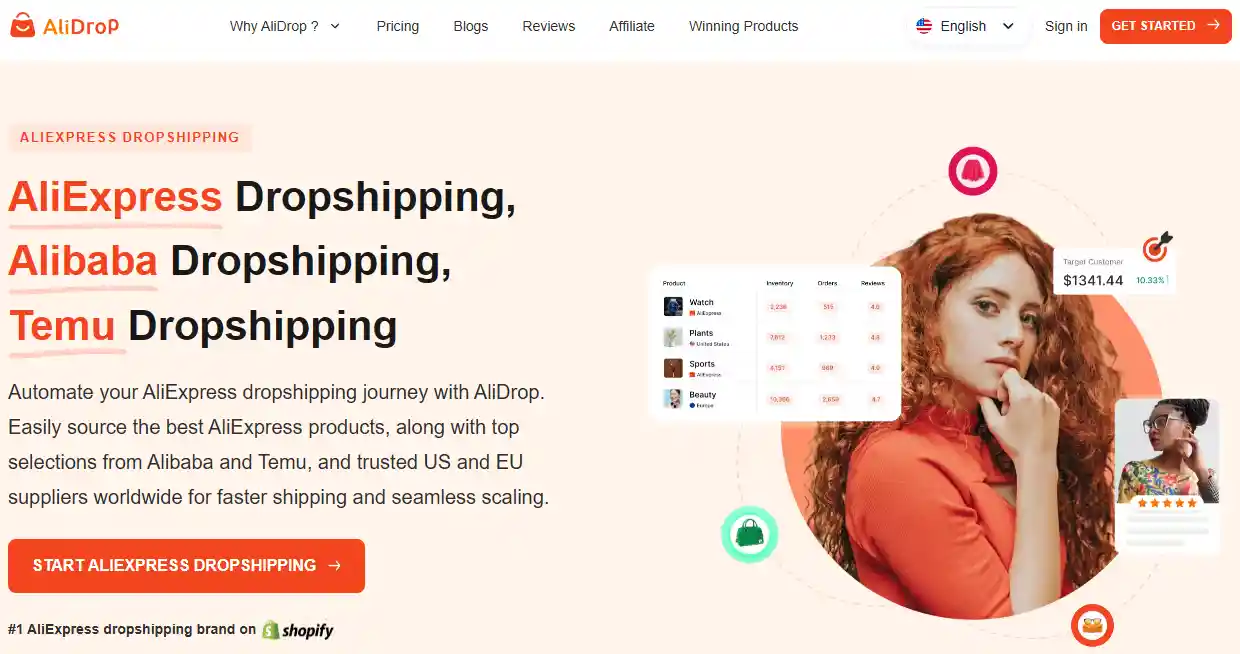
Alidrop is a comprehensive dropshipping and sourcing tool designed to simplify the entire process for ecommerce store owners. It bridges the gap between finding products and automating fulfillment. One of its core strengths is its ability to connect you with some of the best US and EU suppliers, which drastically cuts down on shipping times and improves customer satisfaction. This is a critical feature for building a reputable brand. You can get started with Alidrop to access these features.
Beyond supplier access, Alidrop offers a suite of powerful tools. Its AI Shopify store builder can help you launch a professional-looking store quickly, while the AI product description writer assists in creating unique copy for your private label products. The platform also features the Alidrop marketplace, a curated selection of vetted products. Crucially, it supports sourcing from multiple platforms like Alibaba and Temu suppliers, and it integrates with sales channels like eBay, making it a versatile hub for your entire dropshipping operation.
2. Spocket
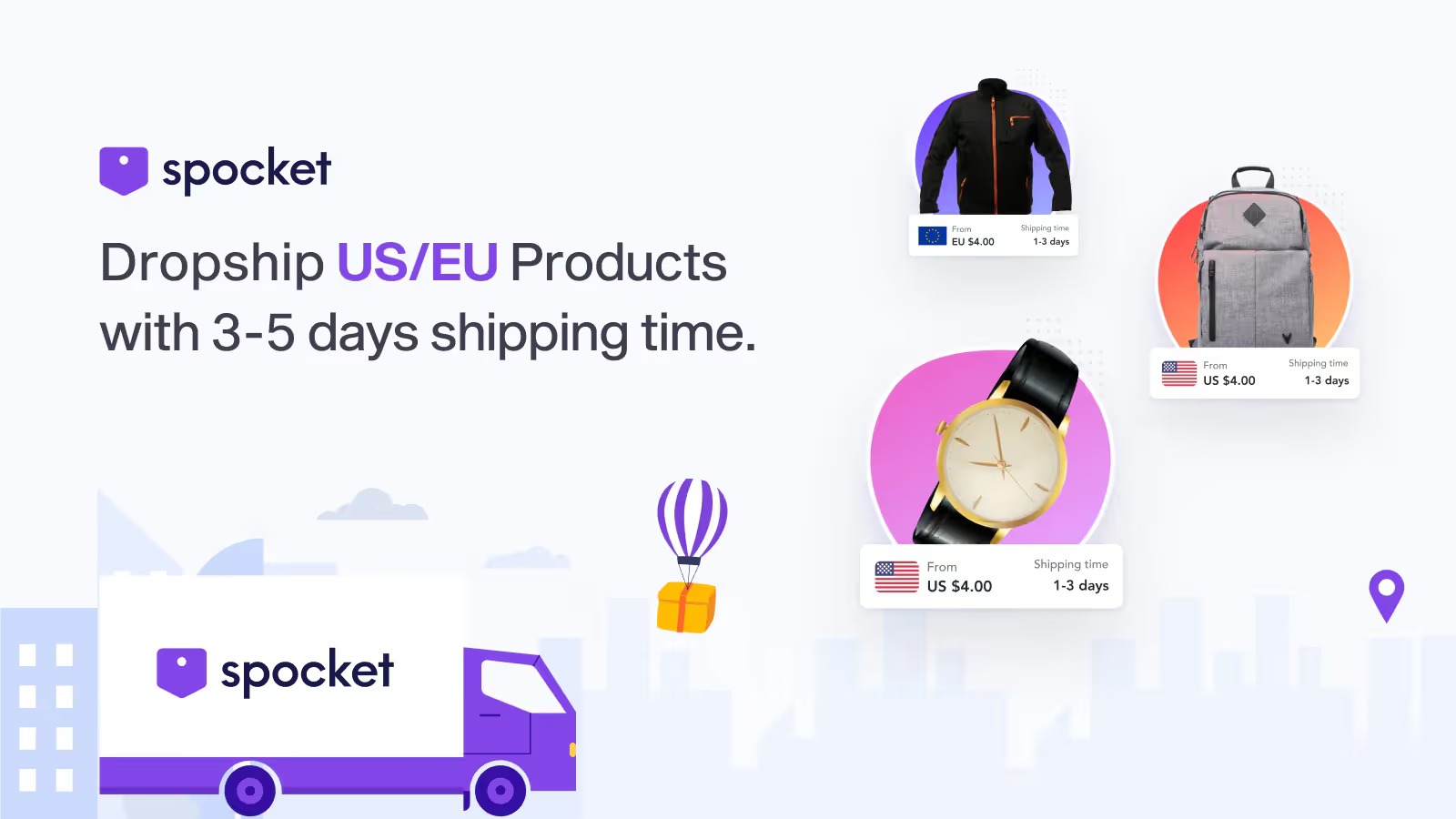
Spocket has built a strong reputation for connecting dropshippers with high-quality suppliers, primarily based in the US and EU. This focus on Western suppliers is a major advantage for entrepreneurs who want to avoid the long shipping times associated with China. Spocket offers a vast catalog of products, including a wide selection of trending dropshipping products and Print-on-demand services that can be customized with your brand. You can sign up for Spocket to see their full catalog.
For those focused on private label, Spocket offers white label and private label dropshipping options, allowing you to build a brand around your products. Features like branded invoicing make your business look more professional to your customers. The platform includes a profit margin calculator to help with pricing and, notably, Spocket has no MOQs, which is perfect for testing new products. It integrates seamlessly with major ecommerce platforms like Wix, WooCommerce, and even allows you to import products directly from AliExpress to fulfill through their vetted network.
3. SaleHoo
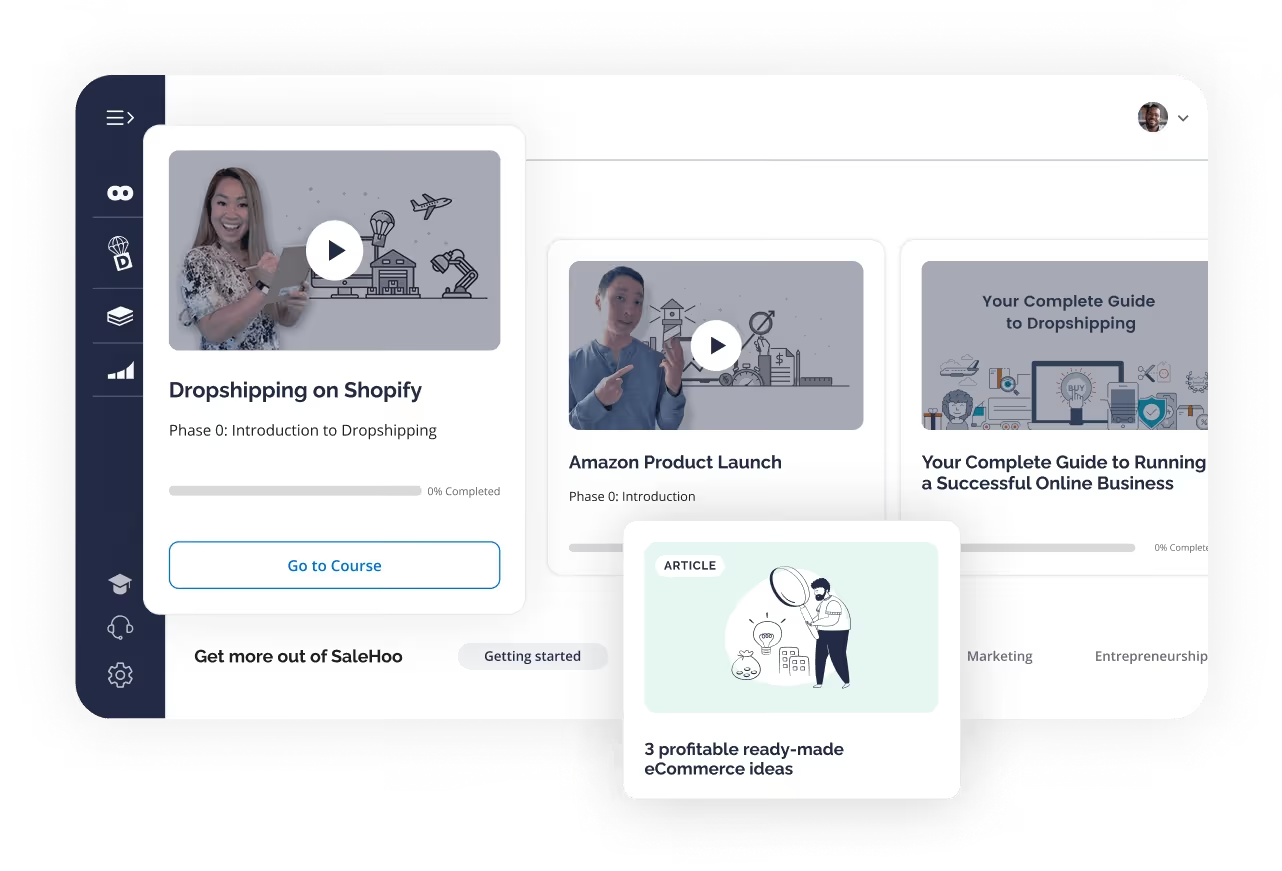
SaleHoo is a long-standing, trusted directory of wholesale suppliers and dropshippers. Unlike a marketplace, SaleHoo does not sell products itself; instead, it provides a curated list of verified suppliers that have been vetted by their research team. This saves you the immense time and effort of vetting suppliers yourself. Their directory includes thousands of suppliers from around the world, including many that offer private label and white label services. It is a great resource for finding partners for your AliExpress private labels.
SaleHoo also features an active community forum and market research lab to help you identify trending products and profitable niches. For a one-time fee, you get lifetime access to their directory, making it a cost-effective option for serious entrepreneurs. It’s an excellent resource for moving beyond the open marketplaces and finding established partners for your broader product lines.
4. Worldwide Brands
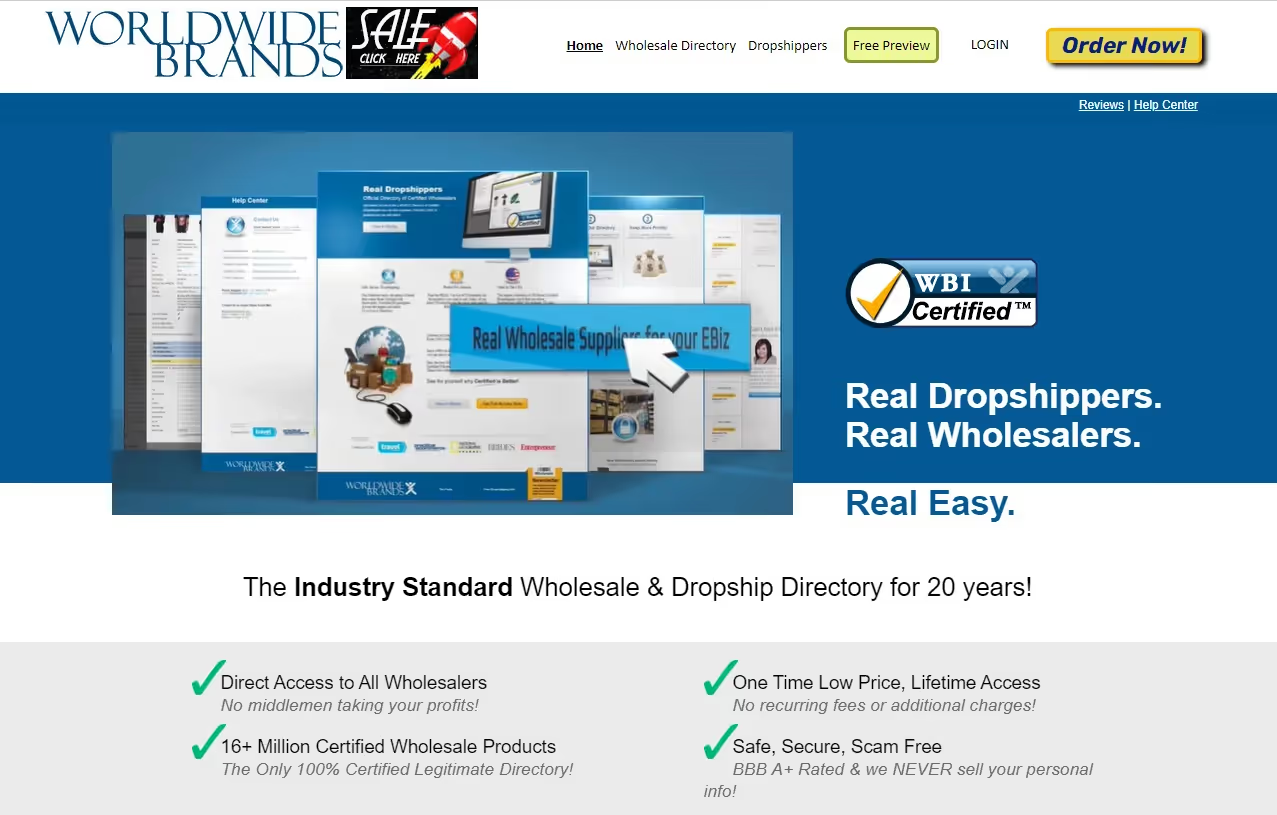
Worldwide Brands is another well-established wholesale directory that has been certifying suppliers since 1999. They pride themselves on offering a massive directory of genuine wholesalers and dropshippers who are ready to work with small businesses. A key advantage is that all suppliers in their directory are pre-screened, ensuring you are not dealing with middlemen or unreliable companies. This certification process is a huge time-saver and provides peace of mind.
The platform allows you to search for suppliers that offer private labeling, giving you a direct path to customize private label products on AliExpress and beyond. They also provide extensive training and resources on how to succeed in ecommerce. If you are looking for a reliable database of legitimate companies that understand the needs of online retailers, Worldwide Brands is a powerful resource. You can also find reliable Indian dropshipping suppliers here for more localized options.
5. Doba
Doba operates as a dropshipping platform that simplifies the entire fulfillment process. They aggregate products from a wide network of suppliers and wholesalers into a single, centralized catalog. This means you can browse and add products to your store without having to manage individual relationships with multiple suppliers. When a customer places an order, you simply submit it through Doba, and they handle the rest.
For entrepreneurs looking into private label, Doba’s value lies in its ability to help you test products. You can use their platform to find products that are already selling well and then, once you have proven demand, you can explore a private label arrangement with the supplier. Doba’s automation tools free you from the logistical headaches of fulfillment, allowing you to focus on marketing and building your brand. For specific niches, you might also check out these top grocery dropshipping suppliers.
Benefits of Private Label Sourcing
Selling private label products transforms your ecommerce venture from a simple reselling operation into a brand-building enterprise. The advantages over traditional dropshipping or wholesale are significant and directly impact your long-term success and profitability. By learning how to find private label suppliers on AliExpress, you unlock these powerful benefits.
- Higher Profit Margins: When you manufacture your own products, your cost of goods sold (COGS) drops significantly. While traditional wholesale margins cap out around 50% and dropshipping around 30%, private labeling can command margins of 90% or more. This extra profit can be reinvested into marketing, product development, and growing your team.
- Brand Establishment and Control: In a world of commodities, brand loyalty is what drives repeat purchases. By putting your label on a product, you build a brand. You control the quality, the customer experience, and the story behind the product. This allows you to cultivate a loyal customer base that buys from you because they trust your brand, not just because you had the lowest price.
- Product Exclusivity: Selling the same generic products as hundreds of other stores leads to a race to the bottom on price. Private labeling allows you to offer a product that no one else has. You can create variations in color, size, or features that make your offering unique, reducing competition and allowing you to set your own prices.
- Customer Loyalty and Repeat Business: When customers fall in love with your brand's unique product, they will come back to you for more. This repeat business is the lifeblood of a sustainable ecommerce company. By owning the brand, you own the customer relationship, rather than handing it off to a generic manufacturer.
Is Private Label on AliExpress Legit or a Scam?
Private labeling through AliExpress is a legitimate business model, but it requires a cautious and informed approach. The platform itself is not a scam; it is a massive ecommerce platform owned by the Alibaba Group. However, it hosts millions of individual sellers, and the quality and reliability of these sellers can vary dramatically. The risk of a scam is low if you use the platform's safeguards, such as Trade Assurance, which protects your payments until you confirm receipt of your order. Many sellers on the platform are legitimate factories looking for long-term partners.
The real risk is not outright scams but partnering with an unreliable supplier. Issues like poor product quality, missed deadlines, and communication breakdowns are more common. However, these are not signs of a scam but rather of a supplier who may not be the right fit for your business. By following a strict vetting process—checking order history, reading reviews thoroughly, and ordering samples—you can effectively mitigate these risks and find trustworthy partners to customize private label products on AliExpress.
Pros and Cons of Using AliExpress for Private Label
Using AliExpress as a sourcing platform has distinct advantages and disadvantages. Understanding these will help you decide if it’s the right fit for your business at its current stage.
Pros
- Low Barrier to Entry: You can start sourcing products with very little capital. Minimum order quantities (MOQs) are often low, allowing you to test products without a massive upfront investment.
- Vast Product Selection: AliExpress offers an almost limitless variety of products. You can find a manufacturer for nearly any niche imaginable.
- Integrated Communication: The platform’s messaging system makes it easy to contact suppliers directly to ask questions and negotiate.
- Buyer Protections: Features like Trade Assurance and the dispute resolution system provide a safety net for your payments.
Cons
- Long Shipping Times: Standard shipping from China can take weeks, which can lead to unhappy customers.
- Inconsistent Quality: Quality control can be a major issue. Factories may cut corners, and without in-person inspections, you are trusting the supplier to meet your standards.
- Communication Barriers: Language differences can lead to misunderstandings about product specifications, customization, and delivery deadlines.
- Intellectual Property Risks: Your product designs and ideas are not well-protected in some overseas jurisdictions, and a supplier might sell your custom design to another buyer.
Tips for Finding Reliable Suppliers
Finding a reliable partner is the single most important factor in your success. It’s not just about finding a factory; it’s about building a relationship with a business that will grow with you. Here are some actionable tips to guide your search for AliExpress private label suppliers.
- Always Order a Sample: Never place a bulk order based solely on photos and videos. Order a sample to see the quality, material, and craftsmanship for yourself. This small investment can save you from a costly mistake.
- Look for Specialization: A good factory specializes in a specific type of product. A supplier making both high-end electronics and t-shirts is a red flag. Focus on suppliers whose catalog is focused on your niche, as they will have the right expertise and equipment.
- Assess Responsiveness: Pay close attention to how a supplier communicates during your initial inquiries. Are they answering your questions clearly and promptly? Flaky communication before an order is a strong indicator of problems after you pay.
- Check for On-Time Shipping History: In your communications, ask about their typical production and delivery timelines. Check their reviews for any mentions of late shipments. Reliability is just as important as product quality.
What to Watch Out for When Searching for Private Label Suppliers
Navigating the world of overseas manufacturing can be tricky. Being aware of potential pitfalls before you start will help you make smarter decisions and avoid common mistakes that many new entrepreneurs make. Knowing how to find private label suppliers on AliExpress includes knowing what to avoid.
- Suppliers with Excessively Low Prices: If a price seems too good to be true, it probably is. Extremely low prices often mean the supplier is using substandard materials or cheap labor, resulting in a poor-quality product that will damage your brand's reputation and lead to customer returns.
- Vague or Evasive Answers: When you ask specific questions about materials, production processes, or customization, a good supplier will give you clear, detailed answers. If a supplier is vague, evasive, or ignores your questions, move on to the next one.
- High Number of Negative Reviews: Pay close attention to the content of negative reviews. A few isolated complaints are normal, but a pattern of complaints about the same issue (e.g., "item arrived broken," "terrible fabric") is a clear warning sign you should not ignore.
- Unwillingness to Provide Samples: Any supplier who is reluctant or refuses to send you a sample of their product is hiding something. A reputable manufacturer will be confident in their work and happy to provide a sample, often with the cost deducted from your first bulk order.
Conclusion
Learning how to find private label suppliers on AliExpress is a fundamental skill for any modern ecommerce entrepreneur. The platform provides an accessible entry point into the world of product sourcing, allowing you to test ideas and build a brand with a relatively low upfront investment. By diligently applying filters, analyzing reviews, ordering samples, and using simple profit calculations, you can identify reliable partners.
While AliExpress is an excellent starting point for validation and initial sales, success requires a long-term vision. As your business grows and you generate consistent orders, transitioning to dedicated tools and platforms will help you automate fulfillment and scale your operations. Start using Alidrop today!
How to Find Private Label Suppliers on AliExpress? FAQs
What is the difference between private label and white label on AliExpress?
White label involves taking a generic product and selling it under your brand without changes. Private label often involves more customization, such as altering the product's design or features to your specifications. Both allow you to brand the product, but private label offers more control and uniqueness when you work with AliExpress private label suppliers.
What is a typical minimum order quantity (MOQ) for private label suppliers on AliExpress?
MOQs on AliExpress can be much lower than traditional manufacturing. You might find MOQs as low as 50 to 100 units for simple products. However, more complex products with custom packaging will likely have higher MOQs. It is important to discuss this upfront with potential top suppliers on AliExpress for private label.
How can I protect myself from getting a bad product from an AliExpress supplier?
The best protection is to order a pre-production sample before committing to a bulk order. If you are ordering a large quantity, consider hiring a third-party inspection service in the supplier's country. These services will inspect the quality of your goods as they come off the production line.
Can I use AliExpress private label suppliers for my Amazon FBA business?
Yes, many sellers use AliExpress to source products for Amazon FBA. However, you must ensure the supplier can meet Amazon's strict requirements for prep and labeling. You will need to coordinate with the supplier to have the products shipped directly to Amazon's fulfillment centers or to a prep center first.
How do I handle customer returns if my private label supplier is in China?
This is a key logistical challenge. Most dropshippers using overseas suppliers factor in a certain percentage of losses from returns. It is often not cost-effective to ship a return back to China. Instead, you may offer customers a refund or replacement and have them donate the item locally, absorbing the cost to maintain good customer service.
What should I do if my product from AliExpress starts selling well?
This is the time to move beyond AliExpress and build a direct relationship with your supplier. Negotiate a better price, discuss exclusive production rights, and move the relationship off-platform. You can also begin transitioning to a dedicated fulfillment platform to automate and scale your operations more efficiently.


%201.svg)