

You launch a store, add some AliExpress products, and wait. A few days pass. Nothing. You tweak the ads. Still nothing. Then you start thinking maybe dropshipping is a scam, or you’re just bad at it. But here’s what nobody tells you: almost every beginner crashes into the same handful of walls. It’s not that the business model is broken. It’s that a few very specific, very avoidable mistakes keep repeating.
Big Mistakes New AliExpress Dropshippers Make and How AliDrop Fixes Them
If you can sidestep even half of these, you save months of frustration and a pile of wasted ad dollars. And the ones who really take off? They didn’t find a secret formula. They just learned what not to do. Below are the ten most common AliExpress dropshipping mistakes, plus exactly how to spot them and how Alidrop’s features can help you avoid them from day one.
1. Jumping from One Trend to Another Every Week
You see a TikTok about a galaxy projector, so you build a store around it.
2 days later, you see a video about a posture corrector and pivot. Then a “viral” kitchen gadget catches your eye. Each time, you restart from zero—new domain, new ads, new audience. That’s not progress. That’s a hamster wheel.
You need to stick with one strategy for at least 30 days. Pick a traffic source, a product type, and a store model, then execute. Every time you chase a new trend, you’re not moving forward; you’re hitting the reset button. Alidrop helps here because it shows you products that are already winning, not just random trendy junk.
The Alidrop marketplace curates items based on performance and supplier reliability, so you’re not guessing. Once you pick a product, stick with it. Test, learn, and adjust—don’t abandon ship.
2. Letting Fear of Failure Freeze You Completely
You’ve got $200 to your name and you’re terrified of losing it. Or you tried once before and the store flopped. So you keep “researching” but never actually launch. Waiting for the perfect moment is just fear dressed up as patience. You don’t need perfection. You need progression.
Start with a product that’s intentionally chosen to learn, not to get rich.
The first item you sell probably won’t make you a fortune, but it will teach you how the whole system works—ads, checkout, fulfillment. Alidrop’s free trial lets you test the entire workflow without a credit card, so you can import a product, see how orders flow, and get the hang of things without financial commitment. You’ll gain more momentum from an imperfect launch than from 6 months of hesitation.
3. Not Finding Winning Products and Getting Product Tunnel Vision
You spend weeks hunting for that one magical product. You watch hundreds of videos, scroll AliExpress for hours, sure that the next listing will be “the one.” But here’s the thing: the goal isn’t a unicorn product. It’s a system. There are probably ten decent products right in front of you, but tunnel vision makes you miss them.
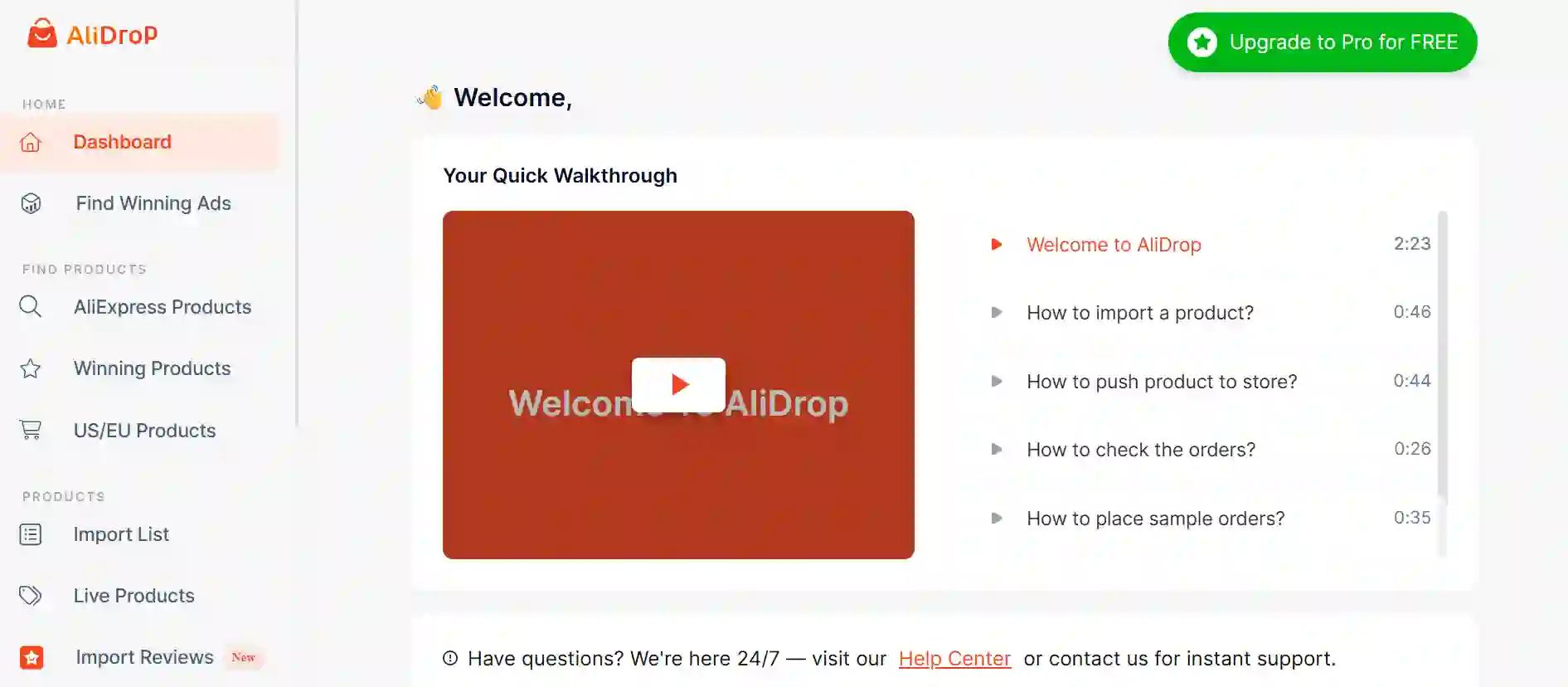
You need to let data guide you, not your gut. Alidrop’s “Winning Products” tab is built for this. It lists items that are already proving themselves across multiple stores—high order volume, solid margins, fast shipping. Instead of staring at a screen hoping for a sign, you pick one of these, test it quickly, and collect real feedback. The game is stacking small wins, not chasing the one big hit.
4. Having No Idea Who You’re Selling To
You put up a product and hope “everyone” will buy it. But when you target everyone, you sell to no one. If you don’t understand the person on the other side—what frustrates them, what they’re searching for at 11 p.m., what makes them stop scrolling—your ads and product pages will miss every time.
Think about a headlamp. You wouldn’t try to sell it to an office worker. But a plumber under a sink with zero visibility? That’s the customer. The product solves a specific problem for a specific person. Before you even import a product, define that ideal buyer. Alidrop’s detailed product data (order volume, shipping origin, category trends) helps you infer who’s already buying and where they are. Use that insight to craft your messaging.
5. Copy-Pasting Supplier Photos and Descriptions
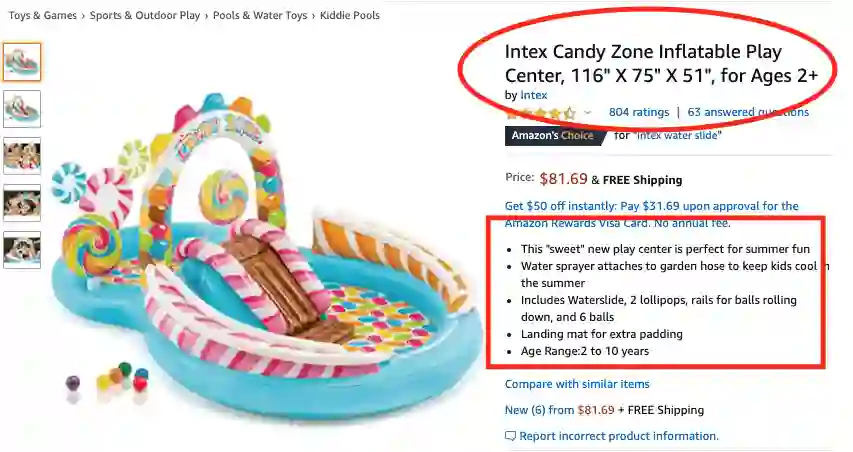
The AliExpress listing has a title like:
“2026 New Fashion Women Dress Casual Summer Beach Party Boho Floral Print Loose Fit M L XL.”
The description is a wall of keyword stuffing.
If you copy that straight to your store, you’re telling every visitor you’re just another dropshipper who doesn’t care.
Take ten minutes to rewrite the title into something a real person would search.
Write a description that sounds like you’re talking to a friend. The AI product description writer can generate a clean first draft that reads naturally. You still need to edit it, but it’s way faster than starting from a blank page. Clean up the images too. Remove watermarked or size chart pics. Alidrop lets you import product photos and manage them before pushing to your store, so you can drop the junk and keep the good ones.
6. Building a Store That Looks Like a Ghost Town
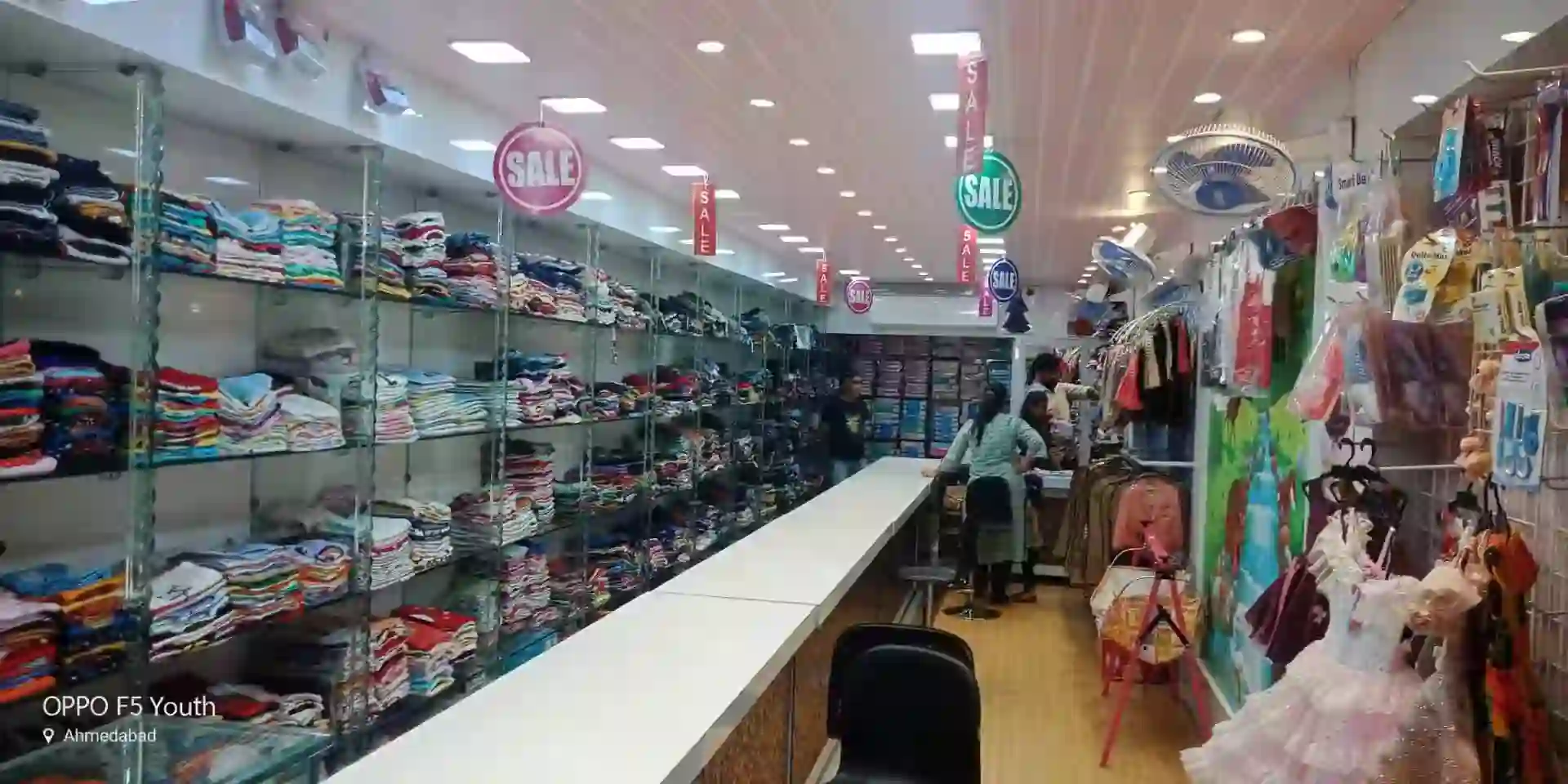
Free Shopify themes are fine, but if you leave default placeholders, broken image ratios, and zero branding, customers will bounce in two seconds. They won’t read your policies. They’ll just assume the store is fake.
You need a site that looks finished, even if it’s simple. The AI Shopify store builder can create a complete storefront based on your niche—products, collections, layout—so you’re not starting from a blank template. Apply a “growl test”: if a caveman landed on your site, could they grumble about what you sell and how to buy it? If not, simplify. Clear over clever every time.
7. Ignoring Data and Just Staring at the Dashboard

You get a few views, maybe an add-to-cart, but no sales. Instead of diagnosing the problem, you freeze up and wait for something to magically change. Data isn’t there to stress you out. It’s telling you exactly what to fix. Low click-through rate? Fix the thumbnail or headline. High add-to-cart but no checkout? Check your shipping costs or trust badges.
Dropshipping is a numbers game. Alidrop’s Product Analyzer helps you test different suppliers for the same product—maybe one has faster shipping or better pricing. If a product isn’t working, use the data to adjust, not to scrap everything and start over.
8. Setting an Unrealistic Budget (Too Low or Too High)
Some people think $5 and a few TikTok posts will build a business. Others think they need $10,000. Reality: if you’re learning on your own, expect to spend $2,500–$5,000 on ads, samples, and tools before you see consistent profit. With a mentor or a guided system, that drops to $500–$1,000.
You can’t expect to compete with people who’ve been running ads for years by throwing $30 at a campaign and panicking when it doesn’t work. Respect the process. Alidrop’s clear margin display on each product helps you plan your budget. You see exactly what you’ll pay the supplier and what you can sell for, so you know whether a product leaves room for ad spend.
9. Not Preparing for Growth (And Crashing When It Hits)
You find a winner. Orders spike. Suddenly your supplier runs out of stock, your payment processor holds funds, and you’re drowning in customer emails. If you weren’t ready for scale, you’ll lose the momentum just as fast as you got it.
Treat your store from day one like it’s about to blow up. Set inventory rules so out-of-stock products automatically pause. Use Alidrop’s automation settings to decide what happens when a variant goes to zero—draft it or set quantity to zero. That way, you’re not manually updating products at 2 a.m. while orders pile up. Also, the Live Orders tab gives you full visibility into fulfillment status so you can catch delays before customers complain.
10. Trying to Do Everything Alone
The biggest mistake? Believing you have to figure it all out yourself. No community, no feedback, just you staying up late hoping you’re doing it right. The truth is, most people who succeed had help—a mentor, a group, a set of systems that kept them on track.
Alidrop is built to be that system for the operational side. It handles supplier discovery, product importing, order syncing, and inventory updates. It’s not a magic button, but it removes the busywork so you can focus on marketing and growth. Plus, its help center and walkthrough videos mean you’re never completely lost.
Conclusion
If you’re tired of guessing, these ten mistakes are your checklist of what not to do. Fix the ones you’re making, and you’ll stop bleeding time and money. Alidrop helps you skip the worst of them by curating products, automating fulfillment, and giving you the tools to build a real store. Grab the free trial, import your first product, and start collecting real feedback instead of waiting for the perfect moment.
10 Mistakes New AliExpress Dropshippers Make (And how to Avoid them with Alidrop) FAQs
What is the most common mistake new AliExpress dropshippers make?
Jumping between trending products without sticking to one strategy for at least 30 days. Every time you switch, you start from zero. Pick a product using reliable data, commit to testing it, and don’t abandon it until you have real performance numbers.
How can I avoid picking a saturated or low-margin product?
Use a tool that shows you products with proven sales history and calculated margins. Alidrop’s marketplace surfaces winning products from AliExpress, Alibaba, and Temu, and the Product Analyzer lets you compare supplier options for the same item so you can pick the one with the best margin and shipping.
Do I need a big budget to start AliExpress dropshipping?
Not huge, but realistic. Plan for at least $500–$1,000 if you have guidance, or $2,500–$5,000 if you’re learning solo. That covers product samples, ad testing, and tools. You can start small and scale up as you learn what works.
Why do my ads get views but no sales?
Your ad hook might be weak, or your store isn’t converting. Check if your product page clearly shows what you’re selling, why it’s worth buying, and how to purchase. Data like click-through rate and add-to-cart rate will tell you where the drop-off happens.
How do I prevent selling an out-of-stock product?
Set inventory automation rules. Alidrop lets you choose what happens when stock hits zero—set the product to draft or zero quantity. It syncs supplier inventory regularly so you don’t oversell.
Is it worth investing in a tool like Alidrop as a beginner?
Yes, if it saves you time and helps you avoid costly mistakes. Alidrop offers a free trial with no credit card, so you can test the whole workflow—importing products, seeing margins, setting pricing rules—before committing. The time saved on manual work alone often pays for the subscription.


%201.svg)